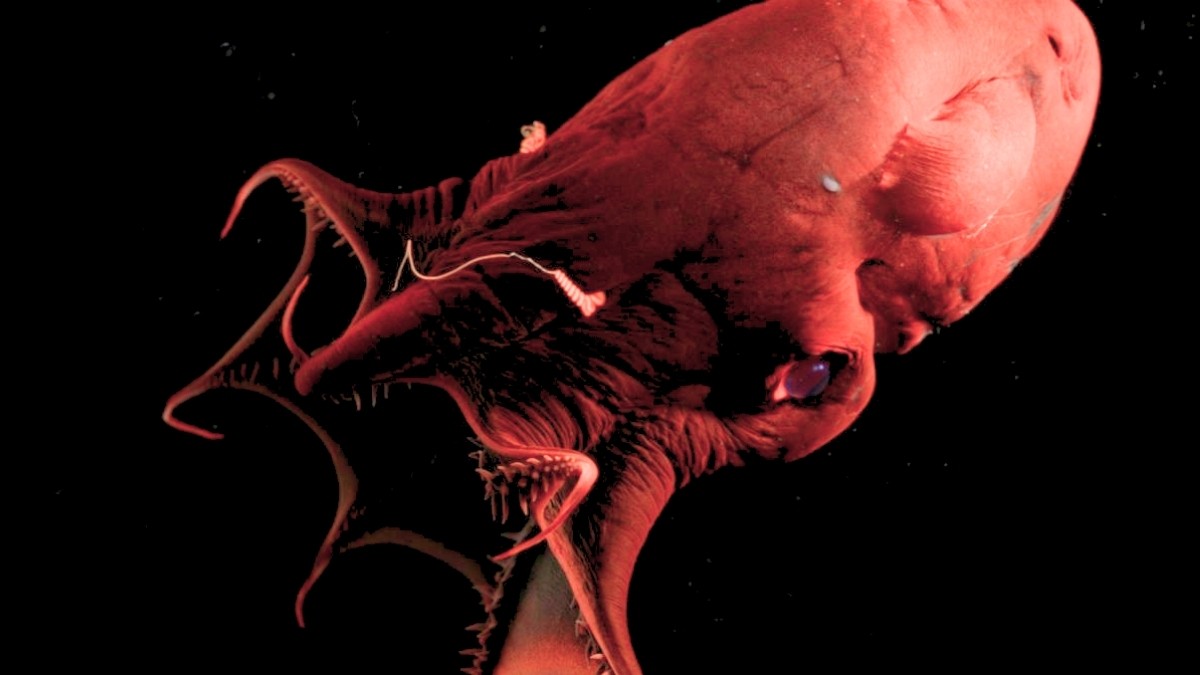
The so-called “vampire squid from hell” – Vampyroteuthis infernalis – has yielded the largest cephalopod genome ever sequenced, revealing deep evolutionary ties between squids and octopuses. The genome, exceeding 11 billion base pairs, is more than double the size of other squid genomes. This discovery provides crucial insight into how these distinct creatures diverged from a shared ancestor over 300 million years ago.
A Living Fossil’s Genetic Legacy
Despite its intimidating nickname, the vampire squid isn’t a true squid or octopus; instead, it represents an ancient lineage that split off early in cephalopod history. Living in the dark depths beyond 600 meters, it’s a relic of the past, retaining traits lost in modern species. Researchers obtained a specimen via accidental bycatch, allowing for this groundbreaking genetic analysis.
Genome Size and Repetitive Elements
The vampire squid’s genome is several times larger than those of contemporary squids and octopuses. The key reason? A staggering 62% consists of repetitive DNA sequences, which inflate the genome’s size without necessarily adding new functional genes. This bloated structure still holds valuable clues, however.
Chromosomal Architecture Reveals Ancient Connections
Comparisons with other cephalopod genomes – including squids, cuttlefish, octopuses, and even the bizarre muddy argonaut (a shelled octopus) – show that the vampire squid preserves an ancestral chromosomal structure common to both squid and octopus lineages. Early octopuses also possessed this squid-like structure before their chromosomes underwent significant mixing and fusion, a process that likely accelerated their evolutionary adaptations.
“The vampire squid retains a genetic heritage that predates both [squid and octopus] lineages. It gives us a direct look into the earliest stages of cephalopod evolution.” — Emese Tóth, University of Vienna
Implications for Understanding Cephalopod Origins
The vampire squid’s genome acts as a “Rosetta Stone” for interpreting cephalopod evolution. It confirms that octopuses once shared a chromosomal layout with squids, suggesting a more recent common ancestor than previously thought. The vampire squid’s relatively unchanged genome contrasts sharply with the rapid chromosomal mixing observed in octopus evolution, providing a unique reference point for understanding how these lineages diverged.
This discovery underscores the importance of studying obscure, deep-sea creatures to unlock the mysteries of life on Earth. The vampire squid’s genome is a powerful tool for deciphering the evolutionary history of cephalopods, offering an unprecedented glimpse into the origins of some of the most intelligent and adaptable invertebrates on the planet.