


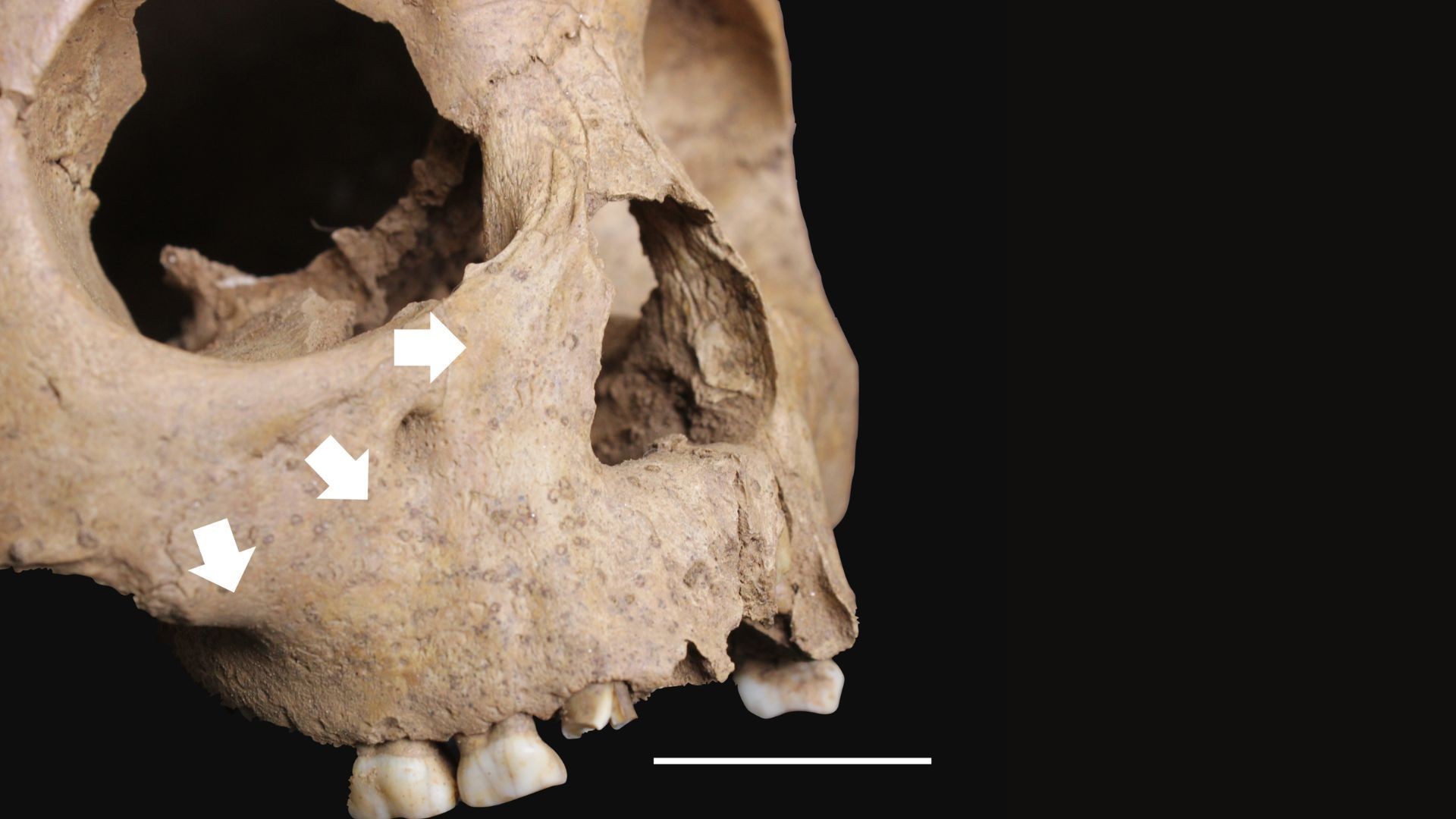
Archaeological discoveries in Vietnam are challenging long-held assumptions about the origins of syphilis and related diseases. New evidence suggests a syphilis-like infection was prevalent in Southeast Asia millennia before European contact with the Americas, undermining the widely debated “Columbus hypothesis” that attributes the disease’s spread to 15th-century transatlantic voyages.
Rewriting Disease History
For decades, researchers believed that only syphilis itself could be transmitted from parent to child during pregnancy – a key argument supporting the idea that the disease originated in the Americas. However, a recent study published in the International Journal of Osteoarchaeology demonstrates that congenital transmission is not unique to syphilis.
The team examined skeletal remains from Neolithic sites in Vietnam, dating between 4,100 and 3,300 years ago. They identified three cases of congenital treponematosis – a group of infections caused by the bacterium Treponema pallidum, which also includes syphilis, bejel, and yaws – in the bones and teeth of young children.
Evidence from the Stone Age
The remains, excavated from the Man Bac and An Son sites, showed telltale signs of the infection: stunted, malformed, or “worm-eaten” teeth. Two of the affected individuals were identified at Man Bac (northern Vietnam) and were approximately 18 months and 5 years old. The third child, from An Son (southern Vietnam), was around 2.5 years old.
The prevalence of treponematosis among children suggests the disease was likely not sexually transmitted, further complicating the traditional narrative. The discovery demonstrates that congenital infection by Treponema pallidum can occur across different subspecies of the bacterium, not just with syphilis.
Challenging the “Columbus Hypothesis”
The “Columbus hypothesis” posits that European explorers brought syphilis to the Old World from the Americas in the late 15th century. This new evidence does not disprove that syphilis was present in the Americas at the time, but it does show that similar diseases existed elsewhere much earlier.
As researcher Nicola Czaplinski explains, “This discovery challenges one of the key pillars of the ‘Columbus brought syphilis [to Europe from the New World]’ theory and shows that … we’re still a long way from solving the mystery of where syphilis really began.”
Future Research and Ethical Considerations
Further investigation is hampered by the poor preservation of DNA in tropical climates. Extracting genetic material requires large bone samples, raising ethical concerns about disturbing ancestral remains. The study also suggests that early migrations from China into mainland Southeast Asia may have played a role in spreading the disease, highlighting the need for more research in understudied regions like Africa.
“Human remains are not just scientific samples; they are the ancestors of living communities and must be treated with care and respect.” – Melandrie Vlok, lead researcher
The findings underscore that the origins of treponemal diseases remain a complex puzzle, and that scientific inquiry must proceed with both rigor and cultural sensitivity.
This discovery reopens the debate about syphilis’s true origins, emphasizing that our understanding of disease history is still incomplete.


