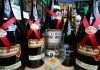
Brazil, the birthplace of the cacao bean, is experiencing a surge in high-quality, locally-made chocolate. For decades, the country’s cacao has been sold abroad at low prices, only to return as premium chocolate brands. Now, Brazilian chocolatiers are reclaiming the process, catering to a growing domestic market that demands upscale, unique flavors.
The Rise of Craft Chocolate
The shift is driven by a new wave of producers, from small Amazonian operations to established companies like Dengo Chocolates. These artisans are not just making chocolate; they’re crafting an experience centered on Brazil’s unique biodiversity.
This means blending cacao with native Amazonian ingredients. Think of the aromatic cumaru seed, resembling vanilla, or the buttery bacuri fruit. Brazil nuts, açaí berries, and cupuaçu —a tangier relative of cacao—are all being incorporated, creating chocolates that truly embody what Dengo Chocolates founder Guilherme Leal calls “the flavor of Brazil.”
Why This Matters
The rise of Brazilian craft chocolate isn’t just about taste; it’s about economic independence and reclaiming value within the country. Previously, Brazil exported raw materials only to import finished products at a higher cost. Now, Brazilian businesses are controlling the entire production chain, boosting local economies and brand recognition.
This trend gained further attention during COP30 in Belém, highlighting sustainable practices and the potential for economic growth rooted in Amazonian resources.
Looking Ahead
Brazil’s chocolate industry is poised to grow as consumer demand for unique, high-quality products increases. By embracing its natural resources and promoting local craftsmanship, Brazil is establishing itself as a destination for chocolate lovers seeking authentic, flavorful experiences.
The future of Brazilian chocolate is not just delicious; it’s a powerful statement about economic empowerment and the celebration of local biodiversity.