
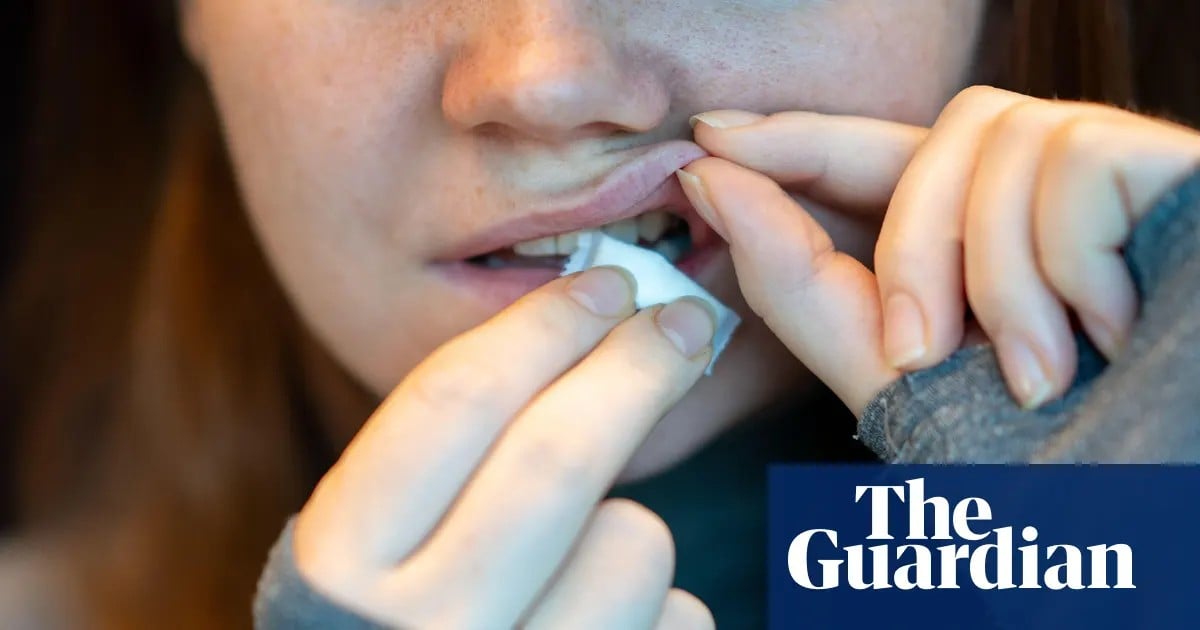
Alarming new data reveals that one in eight British teenagers (aged 14–17) have experimented with nicotine pouches, raising significant concerns about addiction, oral health, and the tobacco industry’s marketing tactics. The trend, driven by flavored pouches often marketed as “snus,” is rapidly expanding despite limited regulation and a lack of age restrictions in many retail settings.
The Rise of Nicotine Pouches: A Modern Epidemic
Nicotine pouches are small, flavored sachets placed in the mouth to deliver nicotine without combustion—avoiding cancer risks associated with smoking. However, the pouches are highly addictive, leading to potential nicotine dependence and oral health issues like gum lesions and receding gums. A recent Deltapoll survey found that 13% of teenagers have used these pouches, with 30% using them weekly.
The lack of age restrictions is a major factor: most teens obtain pouches from friends or shops without verification. This unregulated access has fueled the popularity of brands like Velo, Nordic Spirit, and Zyn, which are often aggressively marketed through social media and even music festivals. Steve Brine, a former public health minister, noted that cigarette companies are deliberately targeting a new generation with these products.
Government Action and Industry Response
The UK government is preparing legislation under the Tobacco and Vapes Bill to ban sales to under-18s, regulate packaging, and limit flavors. This action is supported by 70% of respondents in the Deltapoll survey. However, tobacco firms are pushing back, arguing that pouches help smokers quit and that excessive restrictions could hinder harm reduction efforts.
Companies like Philip Morris International (Zyn) and British American Tobacco emphasize that most teens have never tried nicotine pouches and that these products assist adult smokers in transitioning away from cigarettes. Still, international health experts warn that nicotine remains toxic to the heart and blood vessels, regardless of delivery method.
The Scale of the Problem
Recent research in The Lancet Public Health shows that over 500,000 people in Britain now use nicotine pouches, with usage among 16–24-year-olds jumping from 0.7% in 2022 to 4% this year. Dr. Harry Tattan-Birch of University College London clarifies that pouches are less harmful than cigarettes but not harmless, citing concerns about higher nicotine uptake and arterial stiffness.
The Department of Health and Social Care (DHSC) confirms its commitment to protecting young people by extending regulations to nicotine pouches, currently less restricted than vapes.
The surge in nicotine pouch use represents a new frontier in nicotine addiction. While tobacco firms market these products as harm reduction tools, the rising rates among teenagers underscore the need for strict regulation to protect public health.