On the morning of May 14, skywatchers have a limited window to observe a striking celestial alignment. In the hour preceding dawn, the Moon, Saturn, and Mars will form a distinct triangle against the brightening eastern horizon. This event offers a rare opportunity to see three major solar system bodies in close proximity, though it requires precise timing and a clear view to the east.
The Celestial Arrangement
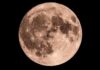
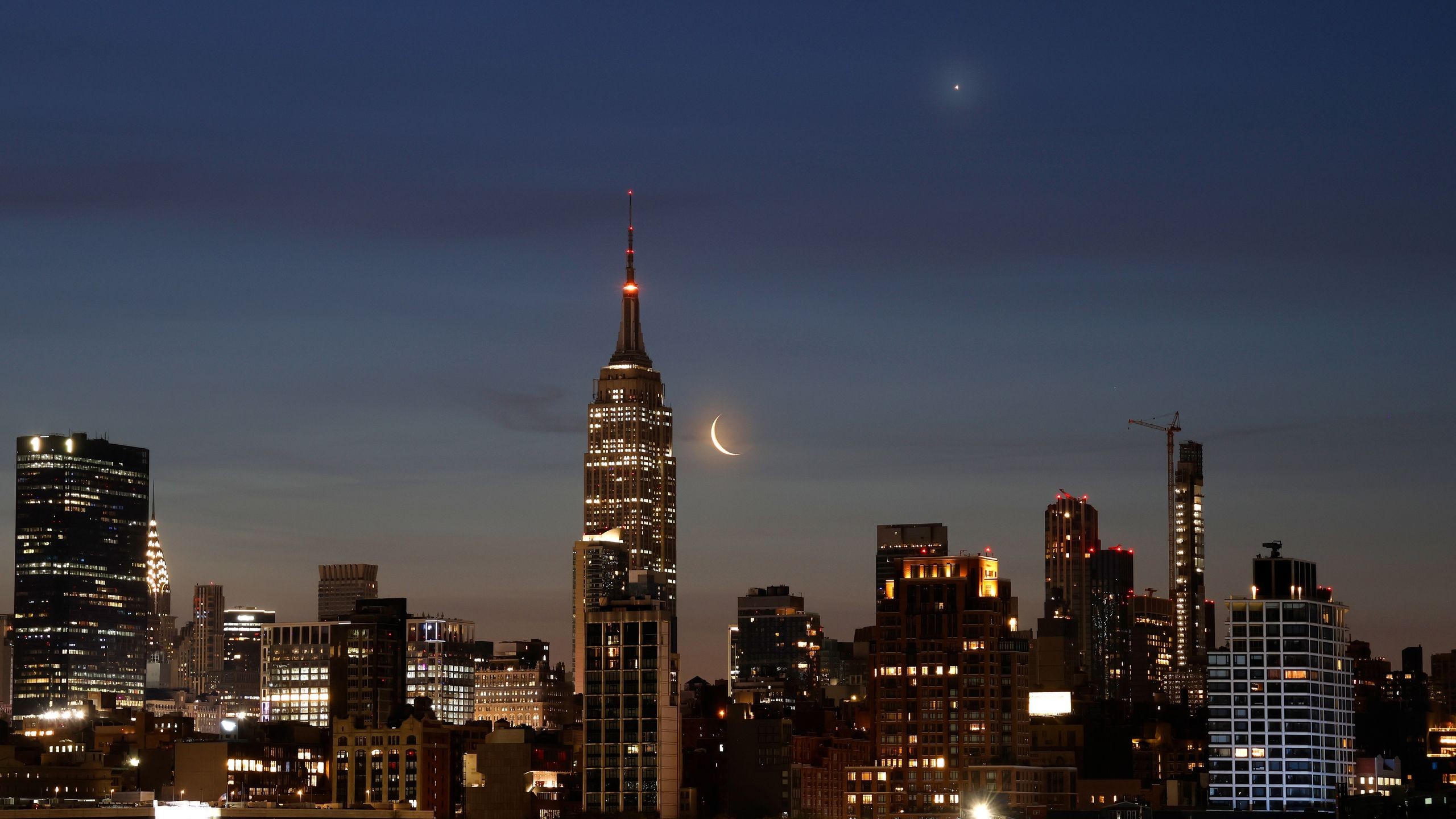
The spectacle begins in the pre-dawn darkness. As the sky transitions from night to day, look toward the eastern horizon to find the 8%-lit waning crescent Moon. It will appear low, serving as the anchor for the formation.
To the lower right of the Moon, Saturn will shine like a bright, steady star. Slightly lower and to the left of both the Moon and Saturn, the reddish hue of Mars will be visible. Together, these three bodies create a triangular pattern that stands out against the glow of the approaching sunrise.
While technically part of this cosmic gathering, Neptune will be present approximately 10 degrees to the right of the Moon—roughly the width of a clenched fist held at arm’s length. However, because Neptune is extremely faint, it will remain invisible to the naked eye during this event.
Critical Viewing Conditions and Safety
This alignment is fleeting. By sunrise, all three visible bodies will be less than 20 degrees above the horizon. They will quickly become lost in the intense golden light of dawn. To maximize your chances of seeing them:
- Timing is essential: Start observing in the hour before dawn.
- Location matters: You need a location with an unobstructed view of the eastern horizon.
- Safety first: While the trio is a spectacular target for the naked eye, do not attempt to view them through telescopes or binoculars. Their proximity to the rising sun poses a severe risk. Pointing optical instruments at the sun can cause immediate and permanent blindness.
Why This Alignment Matters
Planetary conjunctions are common, but specific geometric formations like this triangle are less frequent. This event highlights the dynamic nature of our solar system, where planets drift through the background stars at different speeds. In the nights following May 14, the Moon will disappear from the predawn sky ahead of its new moon phase on May 16. Meanwhile, Mars and Saturn will slowly drift apart within the constellation Pisces, marking the end of this particular visual partnership.
The beauty of this event lies in its transience. It is a reminder that our view of the cosmos is constantly shifting, offering unique snapshots of planetary motion that require patience and precision to catch.
Conclusion
The May 14 planetary triangle is a brief but accessible astronomical event that rewards early risers with a clear view of Mars, Saturn, and the Moon. By positioning yourself with a clear eastern view before dawn, you can witness this natural geometry without the need for complex equipment.