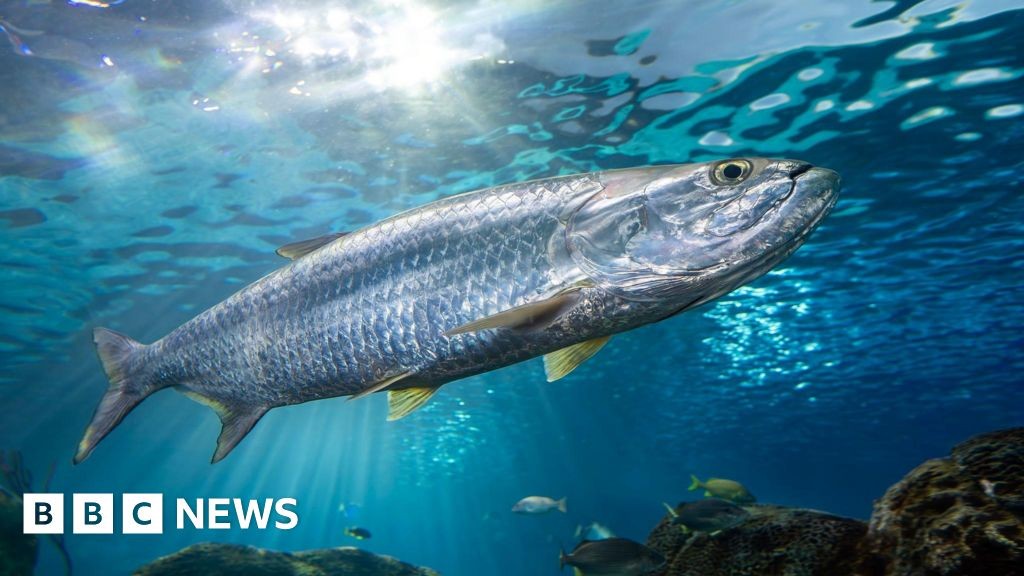
Migratory freshwater fish populations are plummeting at an alarming rate, with numbers down 81% in the last 50 years. A new United Nations report highlights the critical need for increased conservation efforts to prevent further declines in these species, which are vital for both ecosystems and human livelihoods.
The Scale of the Crisis
An international team of scientists assessed over 15,000 freshwater fish species—half of all fish globally—and found the crisis is far deeper than previously understood. The report prioritizes 30 flagship species, including the golden mahseer and goonch catfish, for immediate conservation action. These fish are not just ecologically important; they provide food for roughly 200 million people worldwide.
The decline stems from multiple interconnected threats. Dams, pollution, and overfishing collectively block fish from reaching vital breeding grounds. Some species, like tropical eels in Oceania, undertake migrations spanning thousands of miles, making them particularly vulnerable to fragmented habitats.
Why This Matters
The accelerating loss of these fish isn’t just an environmental issue: it directly impacts human communities. Freshwater fish are a crucial protein source for many populations, and several species hold deep cultural and spiritual significance. The golden mahseer, for instance, is revered as the “tiger of the river” in the Himalayas.
The crisis is compounded by the fact that migratory fish often cross international borders, requiring coordinated protection efforts. The UN’s Convention on the Conservation of Migratory Species (CMS) offers a framework for such collaboration, and the report proposes adding the 30 priority fish to the treaty at its next meeting.
Barriers to Recovery
In Europe, migrating fish encounter barriers—dams, weirs, and culverts—on average every kilometer. While many of these barriers are redundant and could be removed, their cumulative effect drains fish energy reserves, making them more susceptible to disease and predation.
The CMS has demonstrated success in the past. The Saiga antelope, once on the brink of extinction due to poaching, rebounded to over a million individuals after an international anti-poaching effort was launched under the treaty. However, the UN acknowledges that migratory fish have long been overlooked compared to more visible species like big cats or whales.
The report underscores that action is needed now to prevent catastrophic losses in these critical ecosystems. Without coordinated conservation measures, the decline of migratory fish will continue, with far-reaching consequences for both wildlife and human populations.