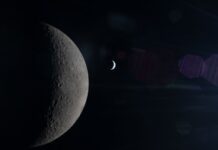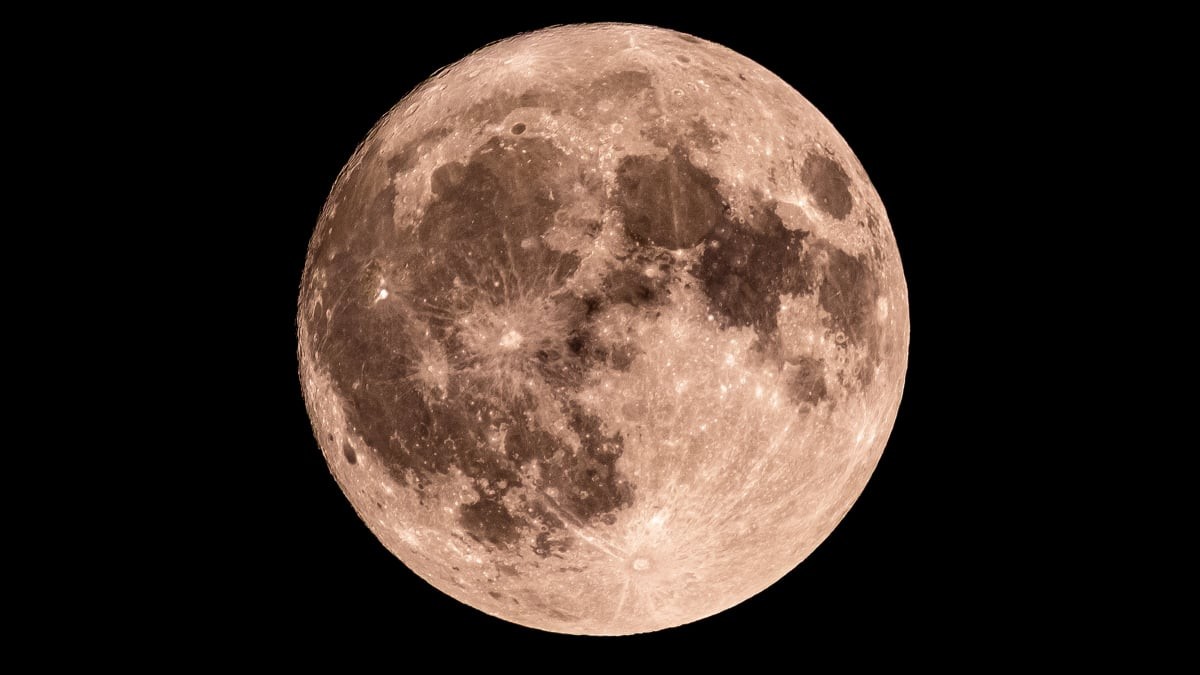
The Moon is currently transitioning through its lunar cycle, moving steadily toward its next major phase. For observers on April 9, 2026, the Moon presents as a Waning Gibbous, a phase characterized by a shrinking illuminated surface as it heads toward the Third Quarter.
Tonight’s Lunar Conditions
According to NASA’s Daily Moon Guide, approximately 59% of the Moon’s surface will be illuminated tonight. Because the Moon is in a “waning” stage, the visible portion is decreasing each night as it moves closer to the New Moon phase.
Stargazing Guide: What to Look For
Whether you are observing with the naked eye or using professional equipment, tonight offers significant opportunities for lunar observation. The changing light levels create shadows that help highlight the Moon’s topography.
🔭 Observation Levels
- With the Naked Eye: Look for prominent features such as the Mare Imbrium (a large lunar plain), the Tycho Crater, and the Kepler Crater.
- With Binoculars: You can achieve much higher detail, including the Gassendi Crater and the rugged terrain of the Alps and Apennine Mountains.
- With a Telescope: High-magnification tools will reveal specific historical and geological landmarks, such as the Apollo 12 landing site, the Schiller Crater, and the Rima Ariadaeus (a lunar rille).
Understanding the Lunar Cycle
The Moon follows a roughly 29.5-day orbit around Earth. While the Moon always keeps the same side facing our planet, the way sunlight hits its surface changes based on its position relative to the Earth and the Sun. This creates the eight distinct phases we observe:
- New Moon: The Moon is positioned between Earth and the Sun; the visible side is dark.
- Waxing Crescent: A small sliver of light appears on the right side (in the Northern Hemisphere).
- First Quarter: Half of the Moon is illuminated on the right.
- Waxing Gibbous: More than half is lit, but it is not yet a full circle.
- Full Moon: The entire face of the Moon is illuminated.
- Waning Gibbous: The illuminated portion begins to shrink from the right side.
- Third Quarter: Half of the Moon is illuminated, but on the left side.
- Waning Crescent: A thin sliver of light remains on the left before the cycle resets.
Looking Ahead
For those waiting for a complete lunar illumination, the next Full Moon is scheduled for May 1, 2026. Notably, May will be a significant month for lunar enthusiasts, as it will feature two Full Moons.
Summary: Tonight’s 59% illuminated Waning Gibbous Moon offers excellent viewing opportunities for amateur and advanced astronomers alike, marking a steady step in the transition toward the next New Moon.