Repeating, tile-like patterns aren’t just aesthetically pleasing to humans; they are a fundamental, widespread solution across the natural world. From the microscopic structures of viruses to the massive scales of elephant skin, evolution has independently arrived at this design again and again. New research published in PNAS Nexus catalogs over 100 examples of these “biological tilings,” revealing their astonishing diversity and crucial functions.
The Ubiquity of Tiled Structures
Biologist John Nyakatura of Humboldt University of Berlin emphasizes that tiled surfaces exist across all scales of life. The study’s catalog ranges from nanometer-sized protein shells in viruses to centimeter-wide plates on turtle shells. This isn’t limited to a single lineage; plants, arthropods, mammals, fish, and even microscopic tardigrades all utilize these patterns.
This prevalence suggests a powerful underlying principle: tiled structures offer versatile advantages that outweigh the costs of their complex development. The fact that evolution converges on this solution repeatedly speaks volumes about its efficiency.
Multifunctional Designs
Biological tilings aren’t just for show. They perform a wide array of functions, often simultaneously:
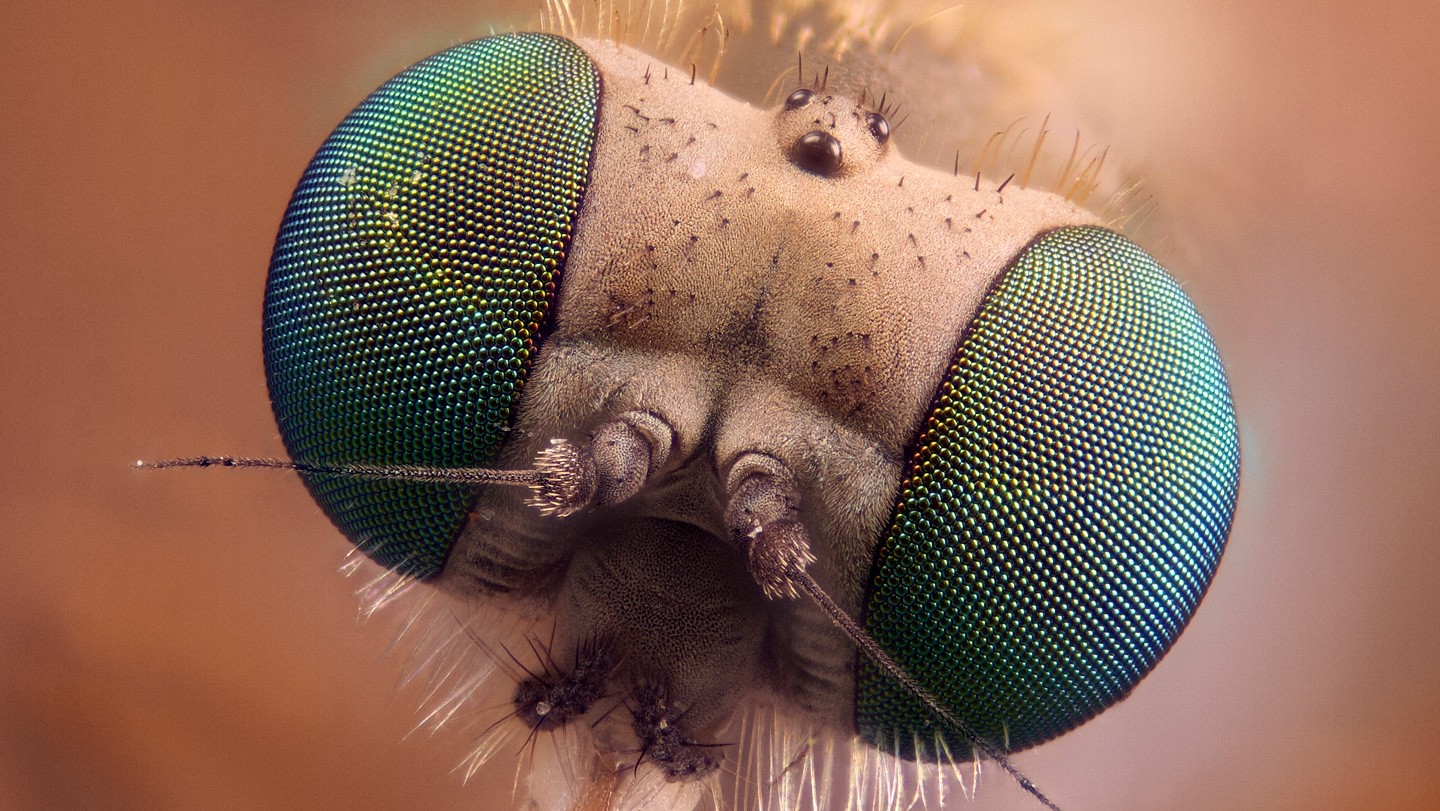
- Light Capture: Compound insect eyes use tiled structures to maximize light absorption.
- Protection: Shark skeletons and armadillo shells rely on tiling to balance flexibility with robust defense.
- Thermoregulation & Defense: Tessellated elephant skin traps water and mud, cooling the animal and shielding it from parasites and the sun.
- Adaptability: The segmented armor of armadillos allows for controlled movement while retaining rigidity.
The key benefit is often a balance between protection and flexibility. A solid, unbroken surface might be too rigid, but tiles with connective material allow for movement and adaptation without sacrificing structural integrity.
Bio-Inspired Innovation
Researchers believe that understanding these natural designs can inform a range of human applications.
- Adaptive Materials: Knee pads that adjust to a growing child’s size.
- Efficient Structures: Building facades designed for better cooling and energy efficiency.
- Flexible Armor: Protective gear that allows for a full range of motion without compromising safety.
Nyakatura concludes that the potential applications are “anything” – the fundamental principles of biological tiling can be adapted to solve a multitude of engineering challenges.
Biological tilings demonstrate that nature frequently arrives at elegant, multifunctional solutions. Studying these patterns will likely yield further innovations, proving once again that the natural world remains an unparalleled source of inspiration for human design.