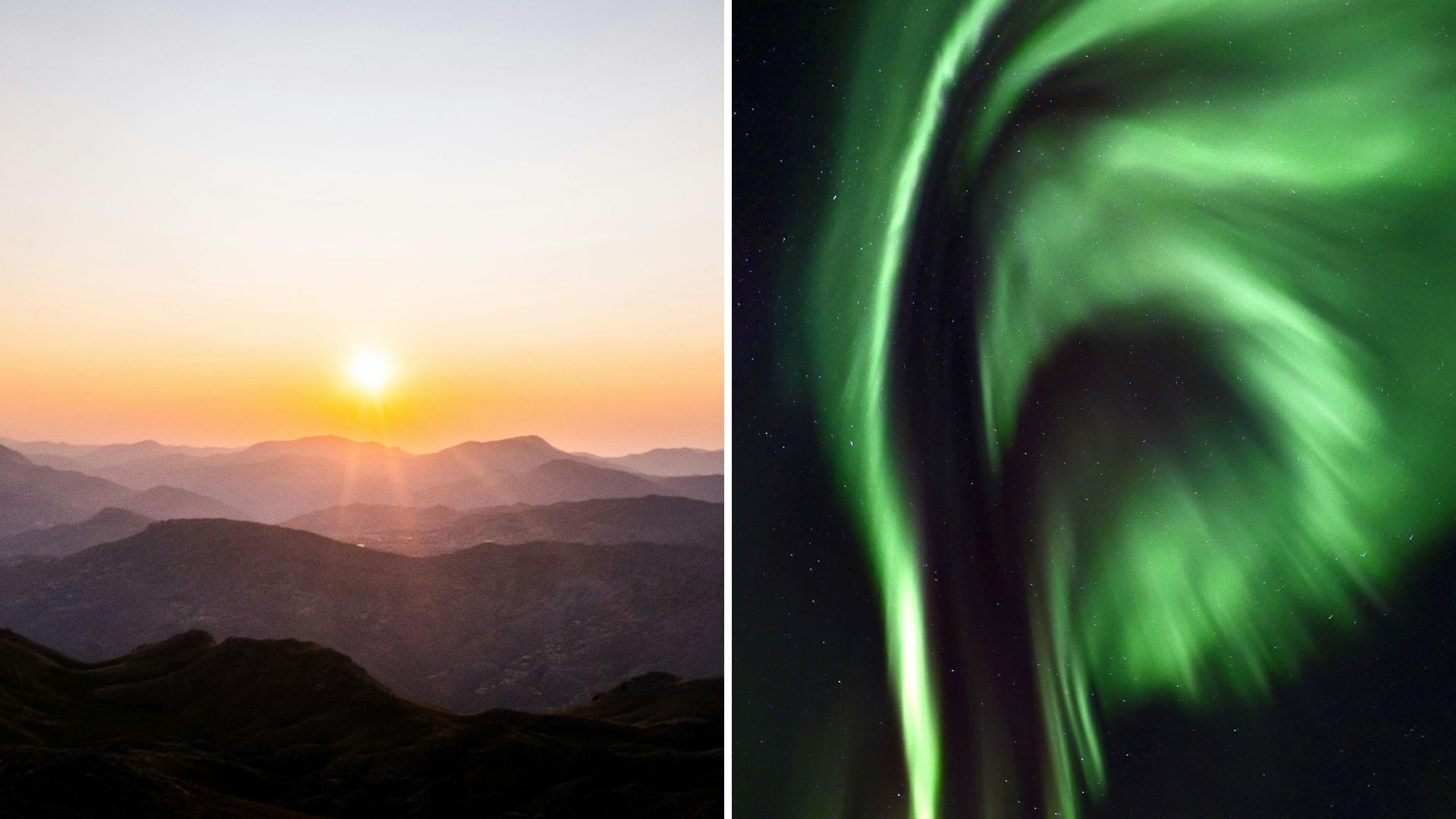
A confluence of factors – including recent solar eruptions, high-speed solar wind, and the spring equinox – is expected to trigger vibrant auroral displays across a wider-than-usual range of latitudes this weekend. Skywatchers in mid-latitude regions have a heightened chance of witnessing the Northern Lights. The National Oceanic and Atmospheric Administration (NOAA) has issued a moderate geomagnetic storm watch (G2) through March 21, with conditions potentially escalating to strong (G3) levels. This means the aurora borealis could be visible further south than typical, offering a spectacular show for many.
The Spring Equinox Amplifies Auroral Activity
What makes this event particularly notable is the timing: March 20 marks the spring equinox in the Northern Hemisphere. This seasonal transition is known to boost geomagnetic activity and aurora visibility due to a phenomenon called the Russell-McPherron effect.
Understanding the Russell-McPherron Effect
First identified in 1973 by geophysicists Christopher Russell and Robert McPherron, the effect explains why geomagnetic storms, and the resulting aurora displays, peak around the spring and autumn equinoxes. The sun’s position directly over Earth’s equator during these periods creates a more favorable alignment between Earth’s magnetic field and the solar wind.
Essentially, Earth’s 23.5-degree axial tilt shifts how our magnetic field interacts with space during the equinoxes. This alignment makes it easier for energy from the solar wind and coronal mass ejections (CMEs) to enter our magnetosphere, intensifying geomagnetic storms. The same solar event can have a significantly larger impact around the equinoxes than at other times of the year.
Geomagnetic Storms and Solar Activity
Multiple CMEs are expected to impact Earth alongside a high-speed solar wind stream this week. The combination of these events, coupled with the seasonal boost from the Russell-McPherron effect, has primed conditions for significant geomagnetic unrest.
However, auroral visibility is not guaranteed. The intensity and spread of the aurora depend on the direction of the interplanetary magnetic field (IMF) carried by the solar wind. A southward-pointing IMF allows for easier energy transfer into Earth’s magnetosphere, amplifying auroral displays. Conversely, a northward-pointing IMF acts like a barrier, limiting energy flow.
Conditions can change rapidly, so staying informed through aurora alerts is advised. Despite the potential for a lackluster show, the current circumstances make this weekend a prime opportunity for observing enhanced auroral activity.
The convergence of recent solar events and the Russell-McPherron effect creates a unique opportunity for skywatchers to witness a potentially stunning display of the Northern Lights. While conditions are favorable, the unpredictable nature of space weather means that the intensity and spread of the aurora remain uncertain.