


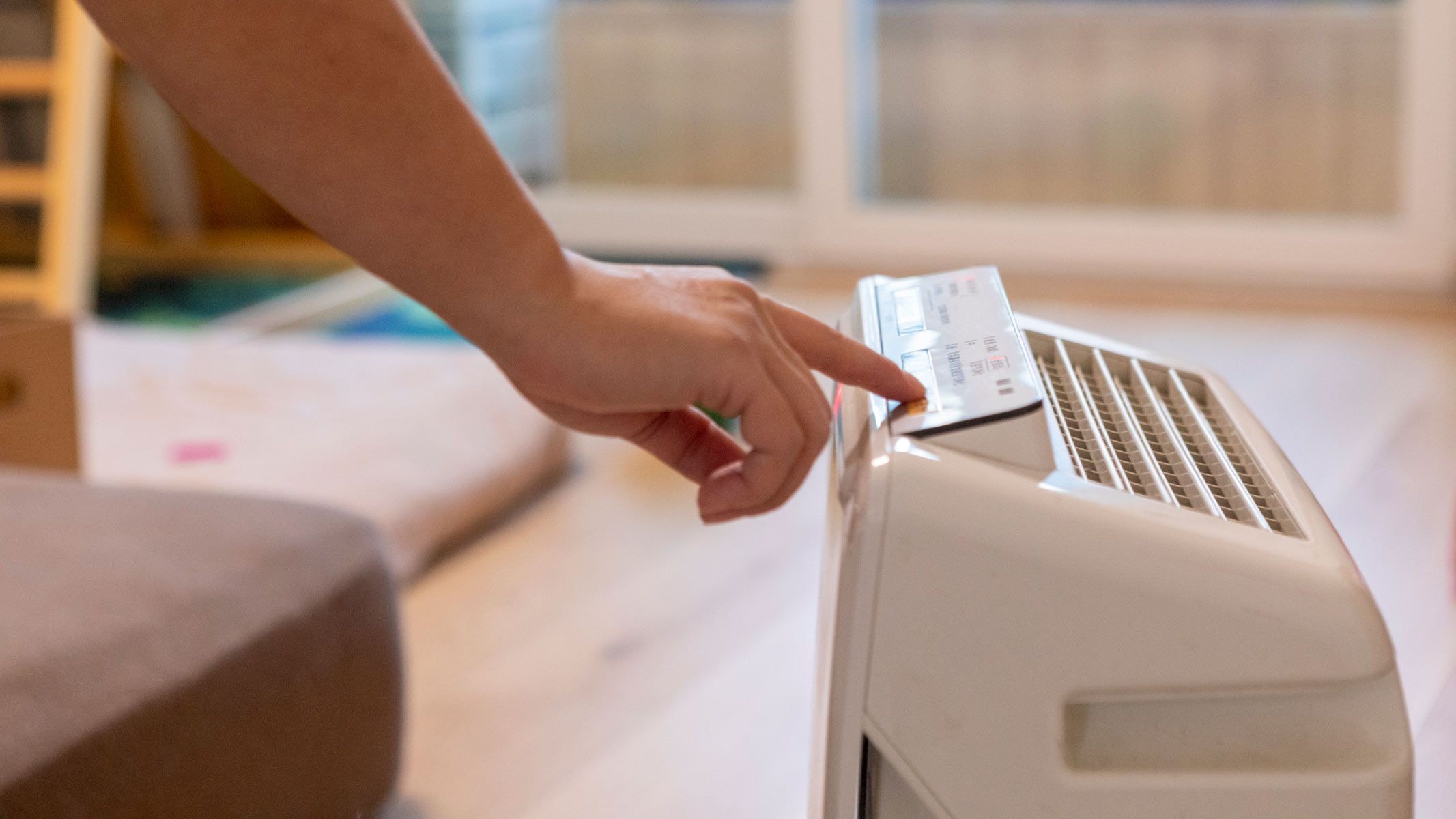
Air purifiers are a smart investment for anyone battling seasonal allergies, but simply buying one isn’t enough. To truly reduce indoor pollen and allergens, you must use it correctly. According to experts at the Asthma and Allergy Foundation of America (AAFA), many people unknowingly sabotage their air purifier’s effectiveness. Here are the most common mistakes – and how to avoid them.
The Placement Problem: Windows and Corners
One of the biggest errors is positioning an air purifier next to an open window. While fresh air is appealing, running a purifier in this scenario forces it to fight an uphill battle against incoming pollen. As Melanie Carver, chief mission officer at the AAFA, explains, “Air purifiers have capacity limits and should only be used to filter air from appropriate-sized rooms.”
Similarly, tucking a purifier into a corner or behind furniture hampers airflow. Optimal placement means open circulation, about 1-3 feet away from obstructions and elevated off the floor. This ensures the device can effectively pull in and filter the air throughout the room.
Neglecting Filter Maintenance: The Silent Killer of Efficiency
Air purifiers aren’t “set it and forget it” devices. Filters clog over time, reducing airflow and diminishing performance. The AAFA recommends changing filters every 2-3 months, or as directed by the manufacturer. A dirty filter doesn’t just mean reduced effectiveness – it can even re-release captured allergens back into the air.
“A dirty air filter is less effective and may result in allergens being sent back into the air.” – Melanie Carver, AAFA
Inconsistent Use: Why Continuous Operation Matters
Running an air purifier sporadically is like spot-cleaning a dirty house. For hay fever sufferers, continuous operation is crucial. Pollen enters homes through open doors, on clothing, and even pet fur. A purifier left off for hours allows allergen levels to spike again. The AAFA suggests placing purifiers in bedrooms while sleeping to maximize exposure reduction.
Ignoring Room Size and CADR Ratings
Air purifiers are not one-size-fits-all. The “Clean Air Delivery Rate” (CADR) indicates how quickly a purifier can clean a specific room size. Using a purifier in a space larger than its CADR rating renders it less effective. Look for models with appropriate ratings, and consider third-party certifications (like Asthma & Allergy Friendly®) that guarantee performance standards.
Forgetting Surface Cleaning: The Hidden Source of Allergens
Air purifiers address airborne particles, but they can’t fight a dirty home. Dust, pollen, and other allergens accumulate on surfaces and become re-suspended with every movement. Regular cleaning prevents unnecessary strain on the air purifier and extends filter life. As Carver notes, “Keeping surfaces clean helps reduce how much work an air purifier needs to do to filter your home’s air.”
In conclusion: An air purifier is a powerful tool against hay fever, but its effectiveness hinges on proper usage. By avoiding these common mistakes – strategic placement, consistent maintenance, continuous operation, and a clean environment – you can breathe easier and enjoy relief from seasonal allergies.


