The University of Plymouth is launching a unique citizen science initiative, inviting residents to actively participate in collecting micrometeorites – tiny particles of space dust that land on Earth daily. This project, titled “Cosmic Dust in the City,” aims to turn everyday rooftops and gutters into unexpected research sites, offering a hands-on opportunity to explore the cosmos from the ground up.
What are Micrometeorites and Why Study Them?
Millions of micrometeorites, measuring less than a millimeter and weighing fractions of a gram, survive their journey through Earth’s atmosphere each day. These particles originate from sources like the asteroid belt, traveling through the inner solar system before settling on our planet. Studying them allows scientists to:
- Track cosmic dust flux, or how much space dust enters Earth’s atmosphere over time.
- Identify changes in dust composition over millions of years.
- Understand where and when particles enter the atmosphere, and how they change after landing.
This data is vital for understanding the early solar system, the evolution of planetary surfaces, and even potential hazards from space debris.
How to Join the Hunt
The project unfolds in three phases:
- Educational Outreach: Public talks, workshops in schools, libraries, and community centers will explain what micrometeorites are and how to safely collect them.
- Sample Collection: Participants will gather sediment from rooftops and gutters using simple tools like dustpans, brushes, sieves, and magnets (provided by the project). The method is straightforward:
- Brush dust from gutters or flat roofs into a bowl.
- Wash the sediment to remove organic matter.
- Use a sieve to separate particles by size.
- Employ a magnet to isolate metallic micrometeorites.
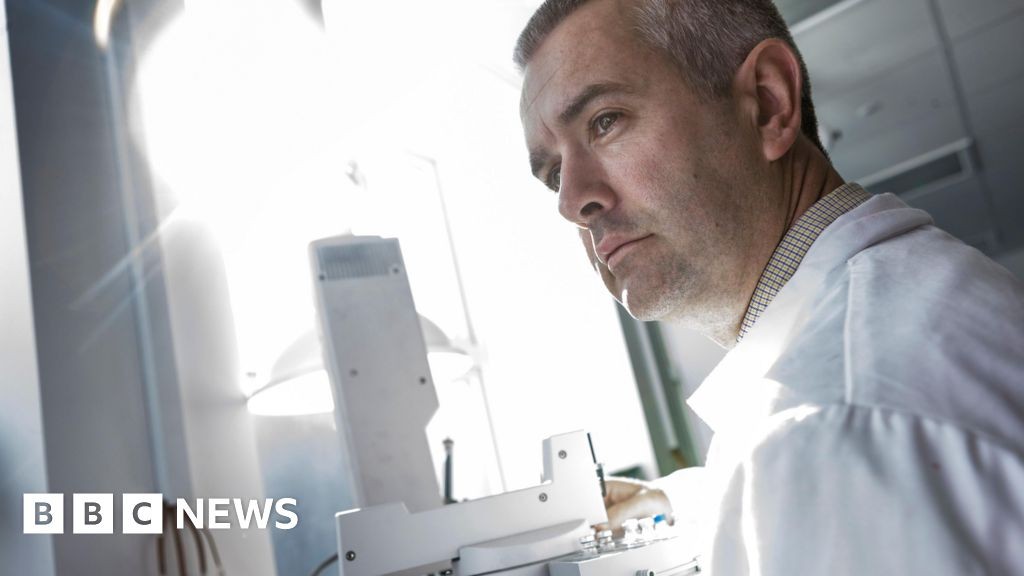
- Lab Analysis: Collected candidates will be analyzed at the Plymouth Electron Microscopy Centre. Findings will be published on a project website and displayed in a public exhibition.
Safety First
Researchers emphasize safety. Participants will receive detailed training on safe sample collection, including how to avoid hazards and package materials for analysis. Because micrometeorites are indistinguishable from terrestrial debris without microscopic examination, proper handling is critical.
“The goal is to make space research accessible while ensuring participants’ well-being and the scientific integrity of the samples,” says Dr. Stephen Grimes from the University of Plymouth.
This project transforms a mundane task into a cosmic adventure, offering a unique chance for the public to contribute to real scientific discovery. The collected data will help refine our understanding of the universe and our place within it.