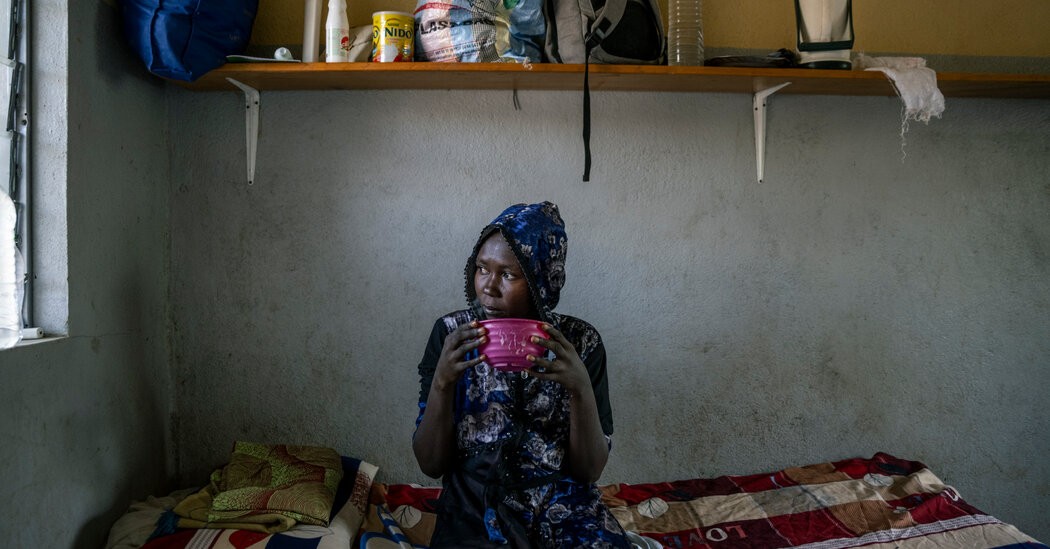
Asta Djouma, a 32-year-old mother of three, has spent the last four months confined to a hospital in Northern Cameroon due to a drug-resistant strain of tuberculosis (TB). She is one of several patients forced to live within the hospital grounds under government-mandated isolation. This practice, where individuals are detained until cleared of the disease, echoes outdated medical methods long abandoned in developed nations.
The hospital functions as a sanitarium, a model of TB treatment that was deemed ineffective and inhumane decades ago. The U.S. and other high-income countries stopped using such isolation wards around 60 years ago, and even Eastern European nations phased them out just 15 years ago. Yet, in resource-constrained regions of Africa and Asia, this approach persists.
The reason is stark: low-income countries often lack the financial and logistical capacity to modernize their TB treatment strategies. This includes updating medical policies, retraining healthcare workers, or implementing community health programs that allow patients to receive treatment at home. As a result, patients like Ms. Djouma are separated from their families indefinitely. She hasn’t seen her children – aged 9, 10, and 11 – since she was admitted in October.
This situation highlights a critical disparity in global healthcare. While advanced nations have moved towards more effective and humane TB management, others are trapped by systemic limitations. The persistence of these obsolete methods isn’t just a medical failure; it’s a reflection of deeper economic and infrastructural challenges.
The continued use of outdated TB isolation practices underscores the urgent need for global health equity and resource allocation to ensure all patients receive modern, effective care.