For centuries, the epic journeys of insects have gone largely unnoticed. Today, scientists are finally piecing together the extraordinary scale and complexity of these migrations, revealing a world where butterflies cross oceans, moths navigate by the stars, and trillions of tiny creatures reshape ecosystems through their movements. However, this newfound understanding comes at a critical time: insect populations are plummeting, threatening not just the migrations themselves, but the vital ecological roles they play.
The First Glimpse: A Spectacle in the Pyrenees
In 1950, ornithologists Elizabeth and David Lack witnessed an astonishing sight in the Pyrenees Mountains. Clouds of migrating insects – butterflies, dragonflies, and countless tiny flies – filled the sky at a 2,200-meter pass. This observation marked the first documented instance of large-scale fly migration in Europe, yet the implications remained largely unexplored for decades.
Today, we know insects are among the planet’s most prolific migrants. Trillions travel vast distances annually, crossing deserts, mountain ranges, and even oceans. This scale is driven by the fundamental need to survive: finding food, breeding grounds, or escaping harsh weather conditions.
Crossing the Atlantic: The Painted Lady’s Impossible Journey
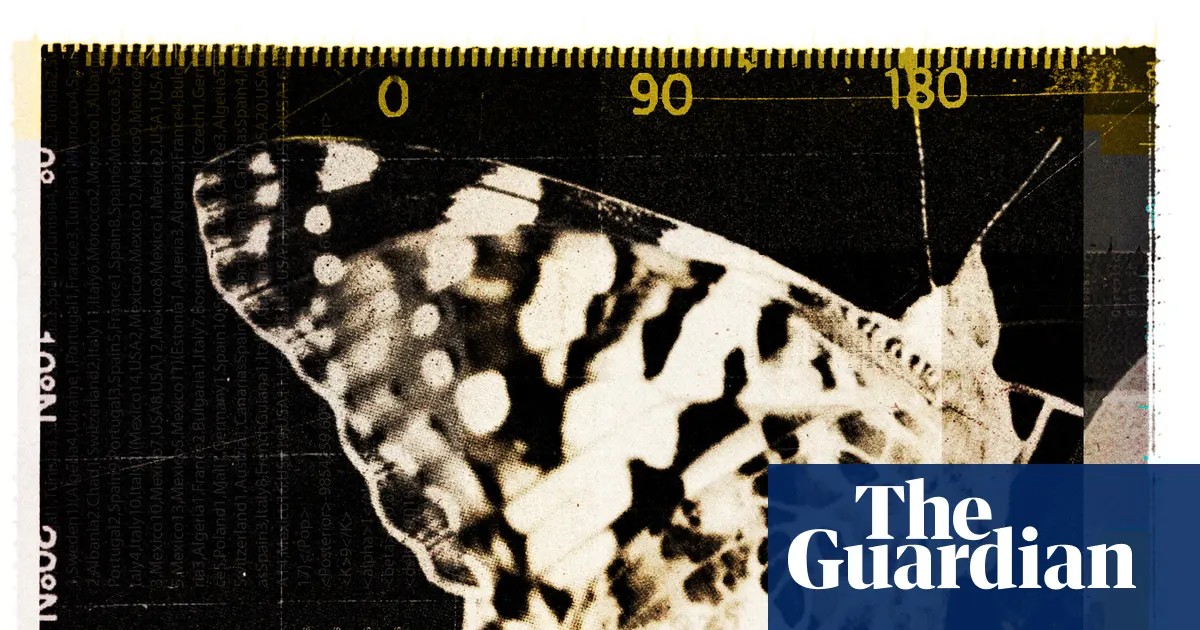
For years, the question of whether butterflies could cross the Atlantic remained hypothetical. In 2013, entomologist Gerard Talavera spotted a painted lady butterfly in French Guiana – a species not native to South America. This single sighting launched a decade-long investigation, culminating in the first direct proof that insects can complete this seemingly impossible journey.
The painted lady migrates strategically, using winds to propel it across continents. Females can lay over 1,000 eggs in their breeding grounds, ensuring the continuation of the species through subsequent generations. This journey is dictated by environmental cues like day length, temperature, and food availability, showcasing a remarkable capacity for long-distance navigation.
Navigating by Starlight: The Bogong Moth’s Ancient Routes
Australia’s bogong moth provides another extraordinary example. For millennia, Indigenous Australians have harvested these moths from caves, recognizing their annual migrations. Scientists later discovered these moths use stars to navigate, a feat made more impressive considering their tiny brains – one-tenth the size of a grain of rice.
The bogong moth’s ability to navigate over hundreds of kilometers at night rivals the complexity of human navigation without modern tools. However, light pollution and habitat loss now threaten these ancient routes, with severe droughts causing catastrophic population declines, impacting species like the mountain pygmy possum that rely on them for food.
Tracking the Invisible: New Methods for Old Mysteries
Studying insect migration presents unique challenges. Unlike birds, most insects are too small to tag, forcing scientists to employ creative methods. These include aircraft-based tracking of hawk moths, dusting insects with fluorescent powder, and even using radar and blimps to quantify the massive flows of insects hundreds of meters above ground.
One study revealed that over 3 trillion insects migrate over southern England each year, a previously unknown scale of movement. These migrations aren’t just about survival; they also drive pollination, nutrient recycling, and provide food for other migratory species.
A Looming Crisis: The Vanishing Migrations
The discoveries about insect migrations coincide with a troubling reality: insect populations are declining rapidly. Climate breakdown, habitat loss due to industrial farming, and pesticide use are driving this collapse. Studies show a 97% decline in aphid-eating migratory hoverflies in Germany over the past 50 years.
As scientists finally unravel these mysteries, the insects are vanishing before our eyes. Their disappearance doesn’t just mean fewer migrations – it threatens the ecosystems that depend on them, with cascading consequences for plant life, food chains, and global biodiversity.
Insect migrations are a testament to the resilience and complexity of the natural world. Now, as they face unprecedented threats, understanding and protecting these invisible highways is more critical than ever.