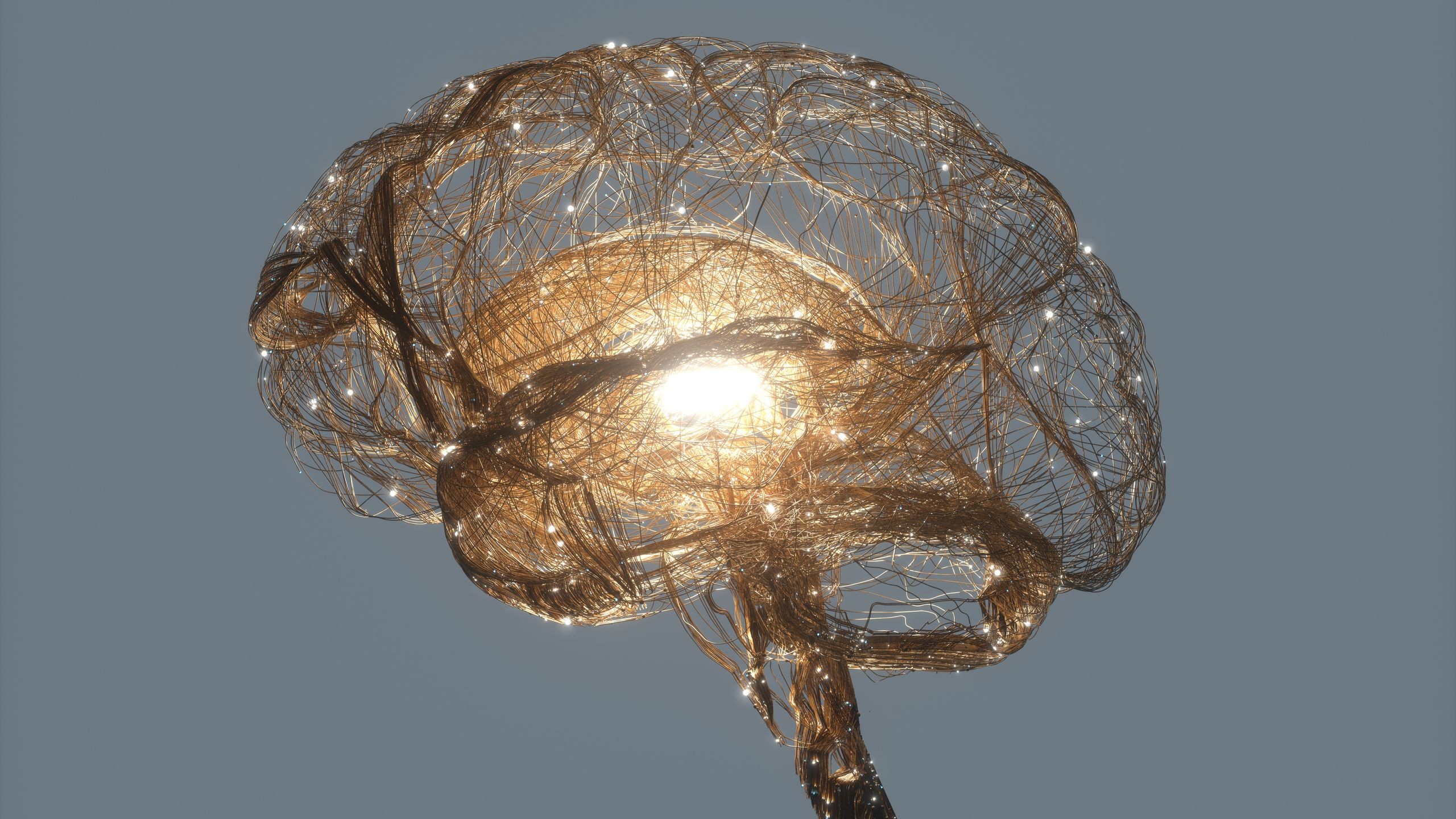
The emergence of human consciousness wasn’t a cosmic accident, but a predictable outcome of life’s evolutionary trajectory, argues neuroscientist Nikolay Kukushkin in his new book, One Hand Clapping: Unraveling the Mystery of the Human Mind. The core argument is simple: given the fundamental physics of life – specifically the relentless drive toward energy acquisition and complexity – something akin to human intelligence was almost inevitable on Earth.
Defining Consciousness: From Biology to Philosophy
Kukushkin frames consciousness not as some mystical “extra ingredient,” but as a particular type of causality unfolding within the brain. It’s a cyclical process of prediction, perception, and re-evaluation, driven by the brain’s constant circulation of causal loops. Unlike computers, which form a static “model” before inference, the human brain continuously updates its beliefs based on incoming data, creating a dynamic feedback system.
This distinction isn’t just theoretical. It highlights why artificial intelligence, in its current form, falls short of genuine sentience. Existing AI architectures separate memory and processing, whereas the human brain integrates both simultaneously, allowing for self-training through inference.
The Social Brain Hypothesis: Complexity Drives Intelligence
A key driver of human intelligence, according to Kukushkin, is social complexity. Brain size correlates directly with social group size: larger groups require greater cognitive capacity to navigate the intricate web of intentions, emotions, and relationships. This isn’t a case of intelligence enabling society, but rather society demanding intelligence. As group sizes grew, so too did the need for more sophisticated brains capable of handling exponential social complexity.
Language then acted as a catalyst, accelerating this trend. Human language is unique in its infinite generativity – its ability to create novel meanings endlessly. This isn’t merely a communication tool but a cognitive virus, reinforcing brain development across generations. The co-evolution of language and the brain is mutual, each driving the other forward like pollinators and flowers.
The Inevitability of Eukaryotes and Beyond
Kukushkin pushes this logic back further, arguing that the emergence of eukaryotes – cells containing internal structures like mitochondria – was the pivotal moment setting Earth’s life on this path. Eukaryotes’ ability to consume other organisms whole and extract energy created an evolutionary arms race, favoring increasingly complex life forms.
This complexity, while advantageous, also introduced vulnerability. Organisms became reliant on constant energy intake and defense mechanisms, eventually leading to the development of brains to anticipate and avoid danger. Once brains emerged, the process became self-sustaining: brains can’t encode all necessary knowledge genetically, forcing them to learn independently, develop motivations, and ultimately, think for themselves.
“We are a culmination of this trajectory. There wasn’t anything special about our lineage compared to everything else.”
Conclusion
The rise of human intelligence wasn’t a fluke. It was the logical consequence of fundamental biological principles: energy acquisition, complexity, and relentless adaptation. From the earliest eukaryotes to modern humans, each step was driven by the same underlying forces, making the emergence of something like us not just probable, but almost inevitable.