This week’s scientific headlines span from refining our understanding of cannabis potency to uncovering mysteries in prehistoric life and even a surprising link between a common vaccine and aging. These developments highlight how rapidly our knowledge is evolving across various fields.
Standardizing Cannabis Potency
UK scientists have proposed a standardized measurement for cannabis strength using THC units. This is crucial because consistent dosing is essential for both recreational and medicinal users, as well as for medical professionals prescribing cannabis-based treatments. A typical strong joint may contain roughly 12.78 THC units, while weaker strains contain around 3.78. This quantification addresses a long-standing issue of imprecise dosing in a rapidly expanding legal cannabis market.
The Enigma of Prototaxites: A Lifeform Unlike Any Other
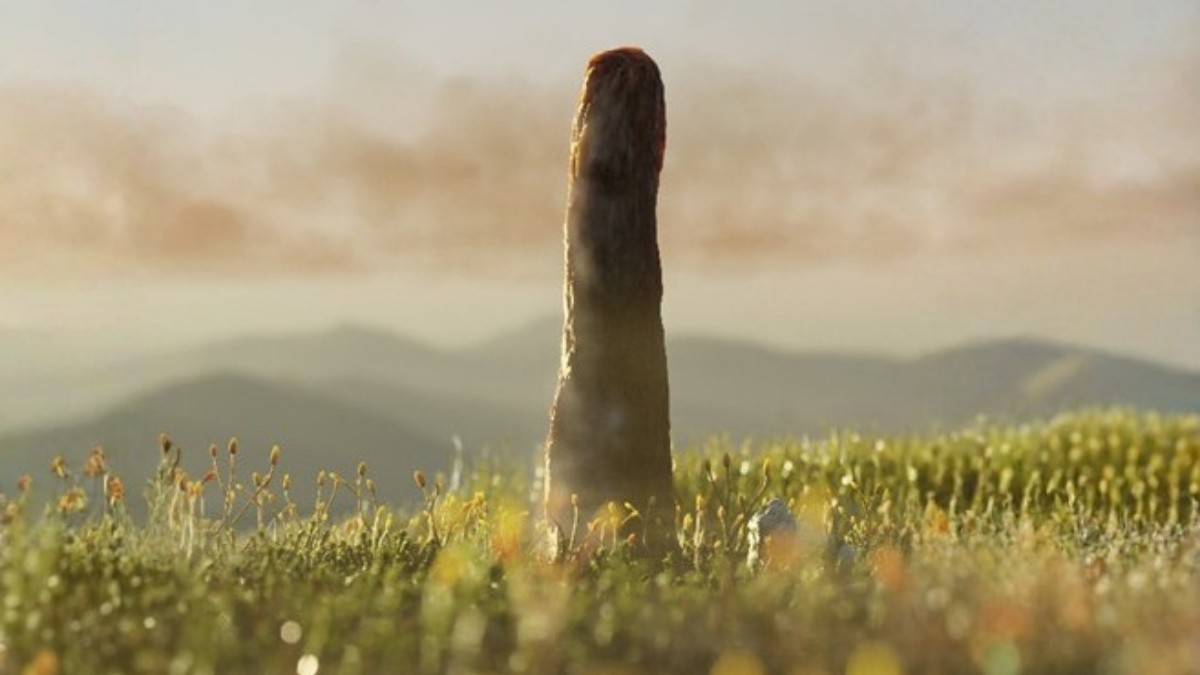
A recent study confirms that Prototaxites, towering organisms reaching 26 feet tall from 400 million years ago, defies categorization within our current understanding of life. Researchers have systematically ruled out fungi, plants, algae, and even animals as potential ancestors. This suggests either a lost branch of evolution or a fundamental misunderstanding of early life’s diversity. The inability to place it on the tree of life raises questions about what else may have existed that doesn’t fit neatly into known classifications.
Gut Bacteria and “Auto-Brewery Syndrome”
Scientists have pinpointed E. coli and K. pneumoniae as key drivers behind “auto-brewery syndrome,” a rare condition where gut bacteria ferment sugars into alcohol. This discovery may lead to treatments such as probiotic interventions or fecal transplants to restore a healthy gut microbiome. The syndrome illustrates the surprising power of microbial ecosystems within our bodies and how they can influence physiological processes.
The World’s Oldest Rock Art Redraws Human History
Cave paintings in Indonesia, dated to at least 67,800 years ago, now represent the oldest known rock art. This discovery suggests that complex symbolic thought and artistic expression emerged far earlier in human history than previously believed. The findings challenge conventional narratives of human cognitive development and imply that sophisticated cultural traditions existed in Southeast Asia long before those in Europe.
A New Sugar for a Healthier Sweet Tooth
Researchers have streamlined the production of tagatose, a natural sugar that provides 92% of sucrose’s sweetness with just 30% of the calories. Importantly, it doesn’t spike insulin levels, making it a viable alternative for individuals with diabetes or those seeking low-calorie sweeteners. This innovation could revolutionize the food industry by offering a healthier option without sacrificing taste.
Shingles Vaccine Shows Unexpected Anti-Aging Effects
A study of over 3,800 people over 70 found that the shingles vaccine is linked to slower biological aging and reduced inflammation. This suggests that the vaccine may trigger broader, long-lasting effects on age-related processes beyond its intended protection against herpes zoster. The findings open new avenues for exploring how existing vaccines might be repurposed for anti-aging therapies.
These breakthroughs underscore the dynamism of modern science. From refining measurements of a controversial plant to unraveling the mysteries of ancient life and improving human health, this week’s discoveries push the boundaries of what we know and highlight the endless potential for future innovation.