This week’s science headlines include major advances in diabetes treatment, intriguing discoveries on Mars, and new insights into the mechanisms behind Alzheimer’s disease. From oral alternatives to injectable medications to potential solutions for long-term space travel, here’s a breakdown of the key developments.
Oral Ozempic Alternative Shows Promise in Clinical Trials
A new pill, orforglipron, is demonstrating weight loss results comparable to Ozempic, but without the need for injections. A recent clinical trial found that participants taking the highest dose (36mg) lost an average of 9.6% of their body weight, significantly more than the placebo group. This could revolutionize diabetes and obesity treatment, making medication more accessible and convenient for millions.
Epstein-Barr Virus Linked to Lupus Development
Researchers have established a stronger connection between the Epstein-Barr virus (EBV) – one of the most common viruses globally – and the development of lupus, a chronic autoimmune disease. Patients with lupus exhibit far higher rates of EBV infection in their B cells (one in 400) compared to healthy individuals (one in 100). This finding suggests EBV may play a key role in triggering the autoimmune response characteristic of lupus, opening doors for potential preventative or therapeutic strategies.
NASA Rover Discovers Alien Rock on Mars
NASA’s Perseverance rover has uncovered a meteorite on Mars, a rock rich in iron and nickel that originated elsewhere. Named Phippsaksla, the 80cm-wide (31 inch) rock’s unusual composition suggests it wasn’t formed on the red planet. This discovery highlights the constant bombardment of space rocks on Mars, and provides scientists with a unique sample for studying the solar system’s geological history.
Skin Cream Could Replace Insulin Injections for Diabetics
A new topical insulin delivery system, tested successfully in mice, could eliminate the need for daily injections. The cream effectively lowered blood glucose levels within an hour, maintaining stability for 12 hours. If proven safe and effective in humans, this breakthrough could dramatically improve the quality of life for people with diabetes.
Chinese Astronauts Stranded in Space After Space Junk Strike
Three Chinese astronauts aboard the Tiangong space station are awaiting rescue after their return vehicle sustained damage from space debris. The vehicle’s viewing port was cracked by a small piece of space junk in November, leaving the crew reliant on a planned launch next week. This incident underscores the growing hazard of orbital debris, which poses a serious threat to ongoing space missions.
Alzheimer’s Memory Loss Linked to Brain Structure Degradation
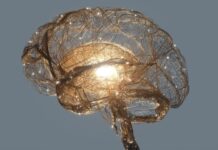
Scientists have identified how Alzheimer’s erodes brain structures crucial for recognizing familiar faces, offering potential avenues for intervention. Research in mice suggests that preserving these structures early in life can improve social memory retention even in advanced stages of the disease. Understanding the mechanisms behind this degradation is a critical step toward developing effective treatments that could slow or even prevent the loss of cognitive function.
These developments represent significant strides in various scientific fields, from medical treatments to space exploration and neurological research. Further research and human trials will be necessary to translate these breakthroughs into widespread benefits, but the momentum is clear: science is moving forward.