The Consumer Electronics Show (CES) remains a proving ground for the future of technology, but amidst the sleek TVs and foldable phones, some gadgets stand out for being utterly… unusual. This year’s show offered no shortage of head-scratchers, from personal wellness devices with questionable applications to products that redefine convenience in strange ways. Here’s a breakdown of the most memorable oddities from CES 2026.
The Over-Engineered Convenience: Hair Drying and Beyond
One standout innovation? A hands-free hair dryer that hovers over your head while you relax. Dreame’s device, retailing for $700, combines the function of a hair dryer with a lamp—a practical compromise to avoid awkward questions about having indoor weather technology.
But the weirdness doesn’t stop there. Another company, Mor, is selling a $300 “anti-ejaculation” device that uses electrodes applied… well, down there. It’s a real product, not a joke, and highlights how far tech has gone in addressing niche personal issues.
AI and Automation: From Haircuts to Companionship
Artificial intelligence is pushing boundaries, sometimes in unsettling ways. Glyde’s “mistake-proof” smart clippers require you to wear a “fade band” to guide the blades, hoping the tech doesn’t end in a disastrous haircut.
Meanwhile, Razer’s Project Ava brings back the desktop anime girl with a hologram avatar powered by xAI’s Grok. The AI companion can chat with you while tracking your computer screen, offering gaming tips—or just existing as a bizarre digital presence.
Beauty and Wellness: Tech That Gets Personal
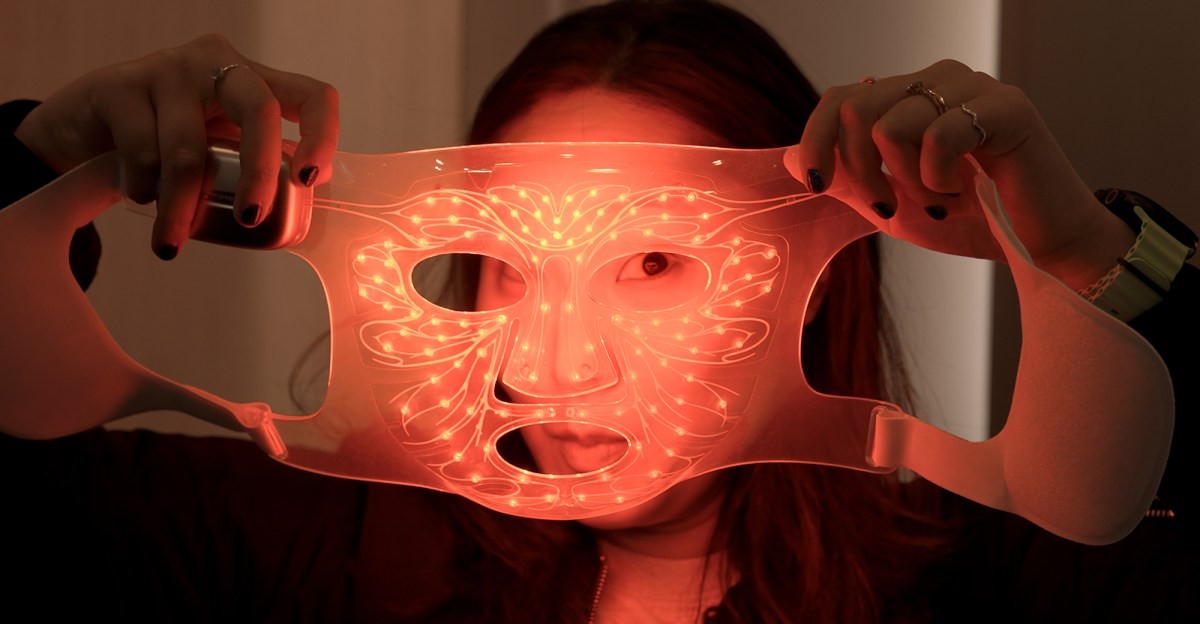
L’Oréal showcased a silicone LED face mask that looks like a second skin. The device uses red light therapy to supposedly tighten and smooth skin, launching in 2027 as the latest addition to high-tech skincare.
On the other end of the spectrum, Vivoo introduced a $4–$5 “smart” menstrual pad that analyzes hormone levels to detect fertility issues. The results are displayed on the pad itself, which users photograph for further analysis via an app.
The Absurd and the Expensive: Gadgets That Push Boundaries
Tomorrow Doesn’t Matter (TDM) launched Neo headphones that fold into a speaker, offering a hybrid audio experience for $249. The idea is clever, if slightly impractical.
But the most outrageous price tag went to Jackery’s solar-powered gazebo, which resembles an unfinished storage container and costs between $12,000 and $15,000 without battery storage.
Robots and Novelty: The Future is Quirky
Honor teased a non-working Robot Phone with a gimbal-mounted camera that tracks subjects autonomously. Meanwhile, FrontierX’s Vex robot follows your pets around, recording and editing videos with AI-generated narratives.
Finally, Seattle Ultrasonics unveiled a $399 “vibrating” chef’s knife that claims to cut with 50% less effort, powered by piezoelectric crystals. Yes, it requires USB-C charging.
In conclusion, CES 2026 proved that the tech industry isn’t just about sleek innovation; it’s also a playground for bizarre concepts that test the limits of what’s possible—and what people will actually buy. The line between useful and utterly weird continues to blur, leaving consumers to wonder which gadgets will revolutionize their lives… and which will just make them laugh.