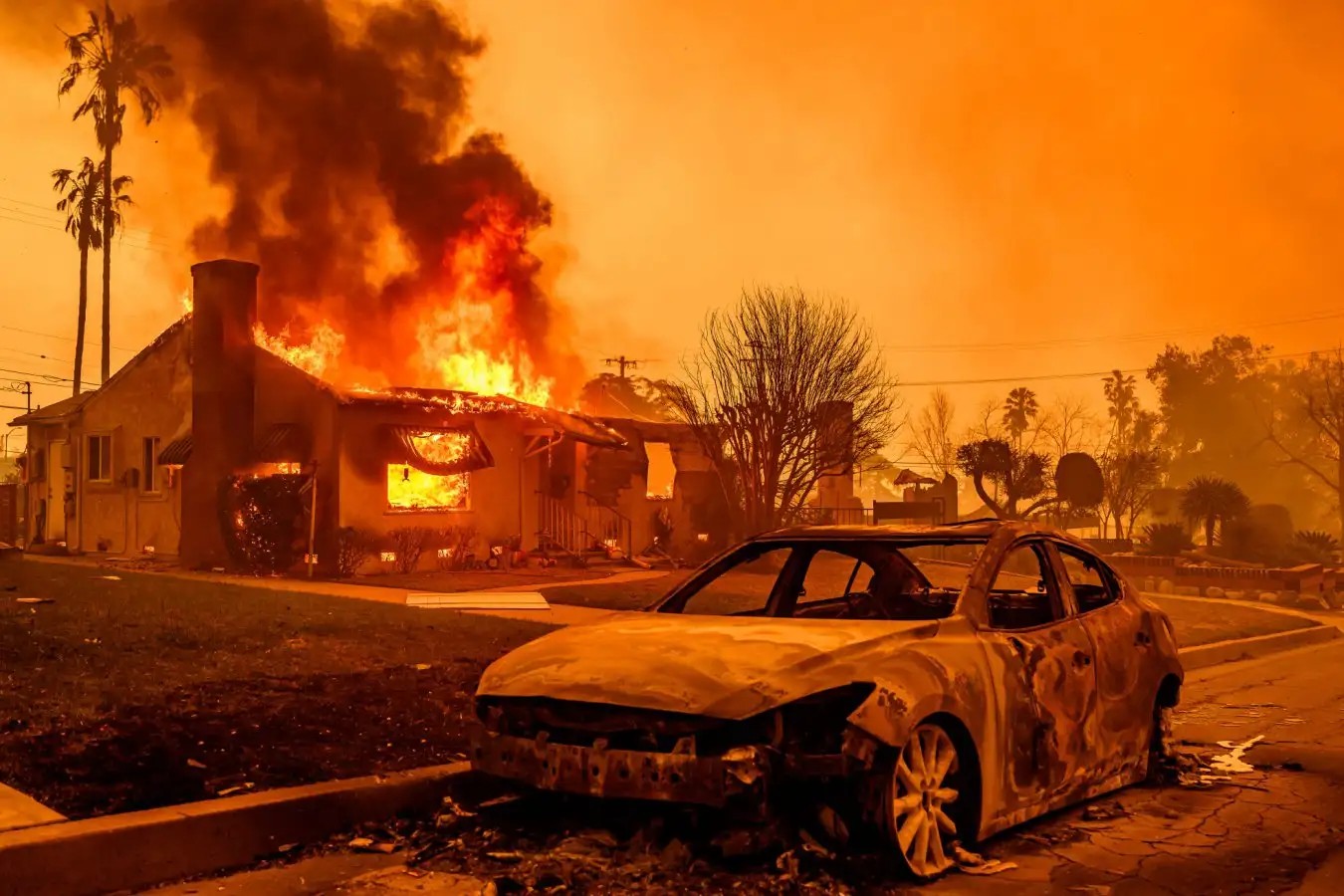
Leading scientists and security experts are issuing stark warnings: without immediate, drastic action, the world faces escalating crises – starvation, economic breakdown, mass unrest, and conflict. A briefing in London brought together researchers who emphasized that current approaches are insufficient to avert catastrophic climate and biodiversity loss.
The Escalating Threat
The situation is rapidly deteriorating. New data suggests the planet is warming faster than previously estimated, with a small but growing risk of reaching 4°C of warming by the end of the century. This level of heating would trigger unprecedented societal and ecological collapse, leading to geopolitical instability, economic failure, and systemic breakdown.
Experts warn against relying on “delay technologies” like hydrogen or bioenergy with carbon capture, which they say are designed to prop up the fossil fuel industry rather than address the core problem. Meanwhile, extreme weather events are already exceeding predictions: Europe is experiencing heatwaves at an accelerating rate, with the potential for catastrophic flooding (like the 2021 German disaster) becoming increasingly likely.
Tipping Points and Systemic Failure
The danger isn’t just gradual warming; it’s the triggering of irreversible tipping points. A collapse of the Atlantic Meridional Overturning Circulation (AMOC) could plunge the UK into a deep freeze during winter (temperatures down to -20°C) while intensifying summer heat. This would lead to widespread water shortages and a halving of global wheat and maize production, creating a severe food security crisis.
Food production is already under stress, with the UK experiencing three of its five worst cereal harvests in the last decade. Experts predict this will inevitably lead to civil unrest if systemic change doesn’t occur.
National Security at Risk
The convergence of multiple crises – food shortages, health emergencies, infrastructure failures, mass migration, and extreme weather – poses an existential threat to national security. Cascading failures will erode public trust in governments, fueling reactionary politics and further instability.
As one former military advisor put it, “the risk doesn’t go away just because you don’t like it.” Effective planning requires confronting a future many would rather ignore, but failing to do so guarantees catastrophic consequences.
In conclusion, the warnings are clear: the climate crisis demands a wartime-level response, not incremental adjustments. The survival of civilization depends on radical, immediate action, or the world will descend into chaos.