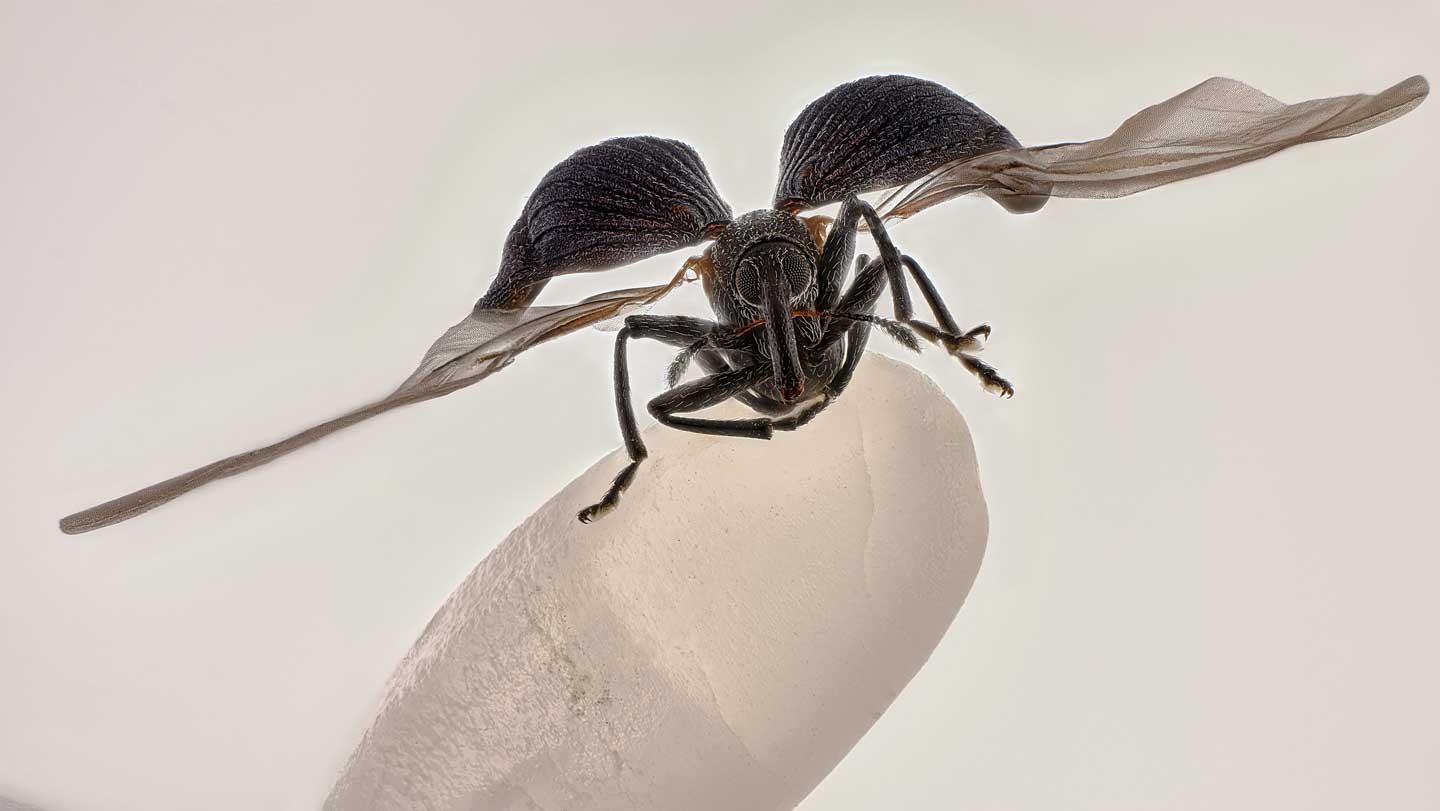
Microscopic photography reveals breathtaking detail in the natural world, but understanding these images often requires familiarity with specific scientific terminology. This article breaks down key biological and physical terms, from cellular structures to light-based phenomena, providing clarity for anyone curious about the unseen dimensions of life and matter.
Core Biological Concepts
Cell: The fundamental unit of life, too small to see without magnification. Organisms range from single-celled bacteria to trillions-celled animals.
Biodiversity: The spectrum of life in a specific region. Maintaining biodiversity is critical because ecosystems rely on the interactions between species. Loss of biodiversity destabilizes these systems.
Actin: A protein forming chains within cells, crucial for muscle contraction and movement.
Antibodies: Proteins produced by the body to fight off foreign substances (antigens). These are central to the immune response.
Bacteria: Single-celled organisms found almost everywhere on Earth, one of the three domains of life.
Fungi: Organisms that reproduce through spores and feed on organic matter, including molds, yeasts, and mushrooms.
Gut: The informal term for the gastrointestinal tract. The gut microbiome impacts overall health.
Inflammatory Bowel Disease (IBD): Chronic inflammation of the digestive tract, an autoimmune condition with severe symptoms.
Anatomy and Physiology
Anatomy: The study of the structure of living organisms.
Muscle: Tissue responsible for movement via contraction.
Neuron: Specialized cells transmitting information through electrical and chemical signals in the nervous system.
Tissue: Groups of cells working together for a specific function.
Colon: Part of the large intestine, responsible for waste lubrication before excretion.
Physical and Chemical Phenomena
Laser: A device emitting an intense, coherent beam of light. Used in surgery, cutting, and data storage.
LED (Light Emitting Diode): Energy-efficient electronic components emitting light when electricity passes through them.
Fluorescent: Ability to absorb and re-emit light. Widely used in microscopy.
Membrane: A barrier controlling passage of materials based on size or other properties. Essential in cells and filtration systems.
Wave: A disturbance traveling through space and matter, crucial in understanding light, sound, and other physical phenomena.
Other Key Terms
Cancer: Uncontrolled growth of abnormal cells. Understanding cancer biology is essential for treatment development.
Chaos: A disordered state lacking predictability.
Filter: A device allowing some materials through while blocking others.
Freshwater: Water with low salt concentration, essential for drinking and ecosystems.
Insight: Deep, accurate understanding without experimentation.
Orb: A spherical shape.
Protein: Essential compounds forming cells, muscles, and tissues. Often targeted by drugs.
Spore: Reproductive cells of fungi or bacteria, surviving harsh conditions.
Trichome: Hair-like structures on plants, defending against stressors like UV radiation and herbivores.
Conclusion: Microscopic worlds contain a complexity that demands precise language for understanding. Whether studying cells, tissues, or the behavior of light, these terms represent the building blocks of scientific inquiry, providing a foundation for further exploration and discovery.