A coalition of international scientific societies is raising an urgent alarm: the very fabric of Earth’s natural light-dark cycle may be at risk. In formal letters to the US Federal Communications Commission (FCC), researchers representing over 2,500 experts from 30 countries are warning that new satellite technologies could fundamentally alter the planet’s nocturnal environment, with potentially devastating consequences for human health and global ecosystems.
The Technological Drivers: “Sunlight on Demand” and AI Megaconstellations
The concerns stem from two distinct but potentially compounding technological ambitions currently under regulatory review:
- Reflect Orbital’s Mirror Arrays: The startup proposes deploying satellites equipped with large reflective mirrors designed to redirect sunlight to specific areas on Earth “on demand.” These beams could illuminate patches of land 5–6km wide, with brightness levels adjustable from a full moon to full noon. While the company suggests this could aid agriculture, disaster response, and solar energy production, critics see it as a radical disruption of the night.
- SpaceX’s AI Computing Network: SpaceX has proposed launching up to one million satellites to create a massive, solar-powered orbital computing network. Designed to handle artificial intelligence workloads, this “mega-constellation” would significantly increase the number of artificial objects in low Earth orbit.
Why the Dark Matters: The Biological Imperative
The core of the scientific argument is that the distinction between day and night is not merely a visual preference, but a fundamental organizing principle of life.
The presidents of several major chronobiology and sleep societies argue that even subtle changes in light levels can trigger a cascade of biological disruptions:
- Human Health: Circadian rhythm disruption is not a minor inconvenience; it is a physiological trigger for serious health issues, affecting hormone secretion and sleep patterns.
- Ecosystem Stability: Many species rely on the dark for migration, nocturnal hunting, and reproductive cycles.
- Food Security: Plants require periods of darkness to function correctly. Prof. Charalambos Kyriacou of the University of Leicester warns that altering these cycles could impact global food supplies.
- Oceanic Foundations: The rhythms of marine phytoplankton—the very base of the ocean’s food web—are sensitive to light changes.
“Circadian systems are sensitive to light levels far below what humans typically perceive as bright,” notes Prof. Tami Martino of the University of Guelph. “If the night sky becomes permanently brighter, the consequences could ripple through ecosystems in ways we do not yet fully understand.”
A Growing Problem: Sky Glow and Orbital Debris
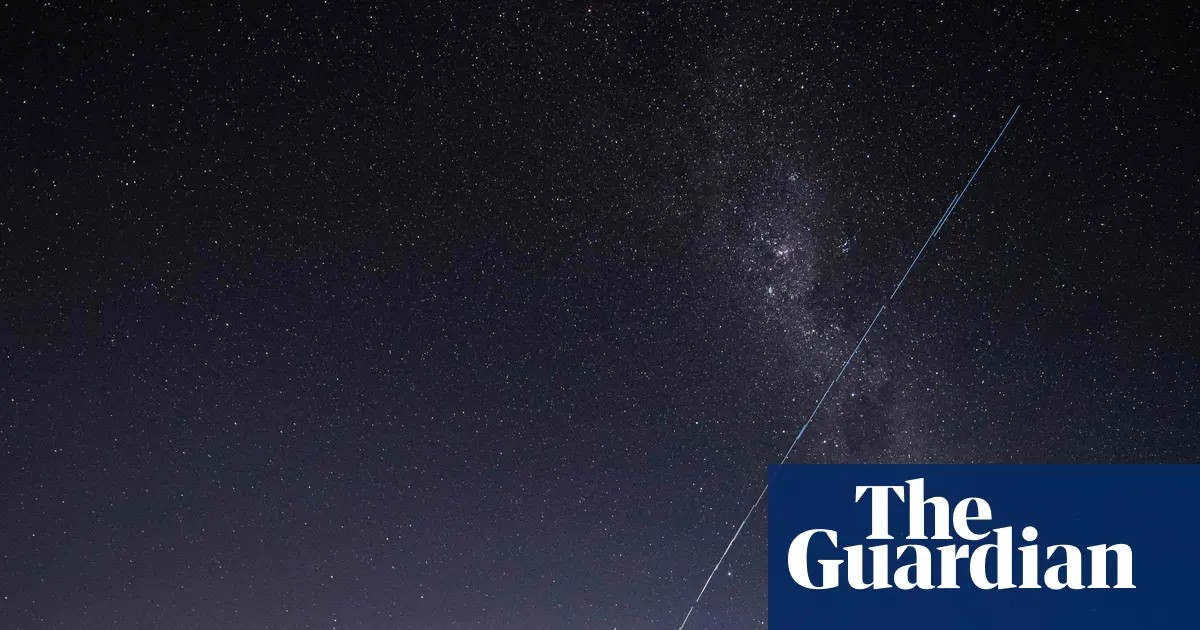
The issue is not just about future proposals, but a current, accelerating trend. Experts note that the existing satellite population has already increased “sky glow”—the diffuse brightness of the night sky—by approximately 10%.
Dr. Miroslav Kocifaj of the Slovak Academy of Sciences predicts that by 2035, the brightness caused by satellites and debris could rise significantly, approaching critical thresholds set by astronomers. Unlike localized light pollution, this phenomenon is global and inescapable ; moving to a remote location will not shield an observer from a brightening sky.
Furthermore, there are practical safety concerns. Ruskin Hartley of DarkSky International warns that Reflect Orbital’s beams could cause intense glare or “blinding flashes” if the systems malfunction or drift off-target.
The Call for Regulation
The scientific community is not opposing space innovation, but they are demanding that it be treated with the same regulatory rigor as climate change or ocean acidification. They are calling on the FCC to:
- Conduct comprehensive environmental reviews of all large-scale orbital deployments.
- Establish strict limits on satellite reflectivity.
- Set definitive caps on cumulative night sky brightness.
As the number of satellites grows, we may reach a point where artificial objects outnumber visible stars, permanently altering the human experience of the cosmos and the biological rhythms that sustain life on Earth.
Conclusion: Scientists warn that large-scale satellite projects aiming to manipulate light or expand computing networks could trigger a global biological crisis by disrupting the essential light-dark cycles that regulate health, food security, and entire ecosystems.