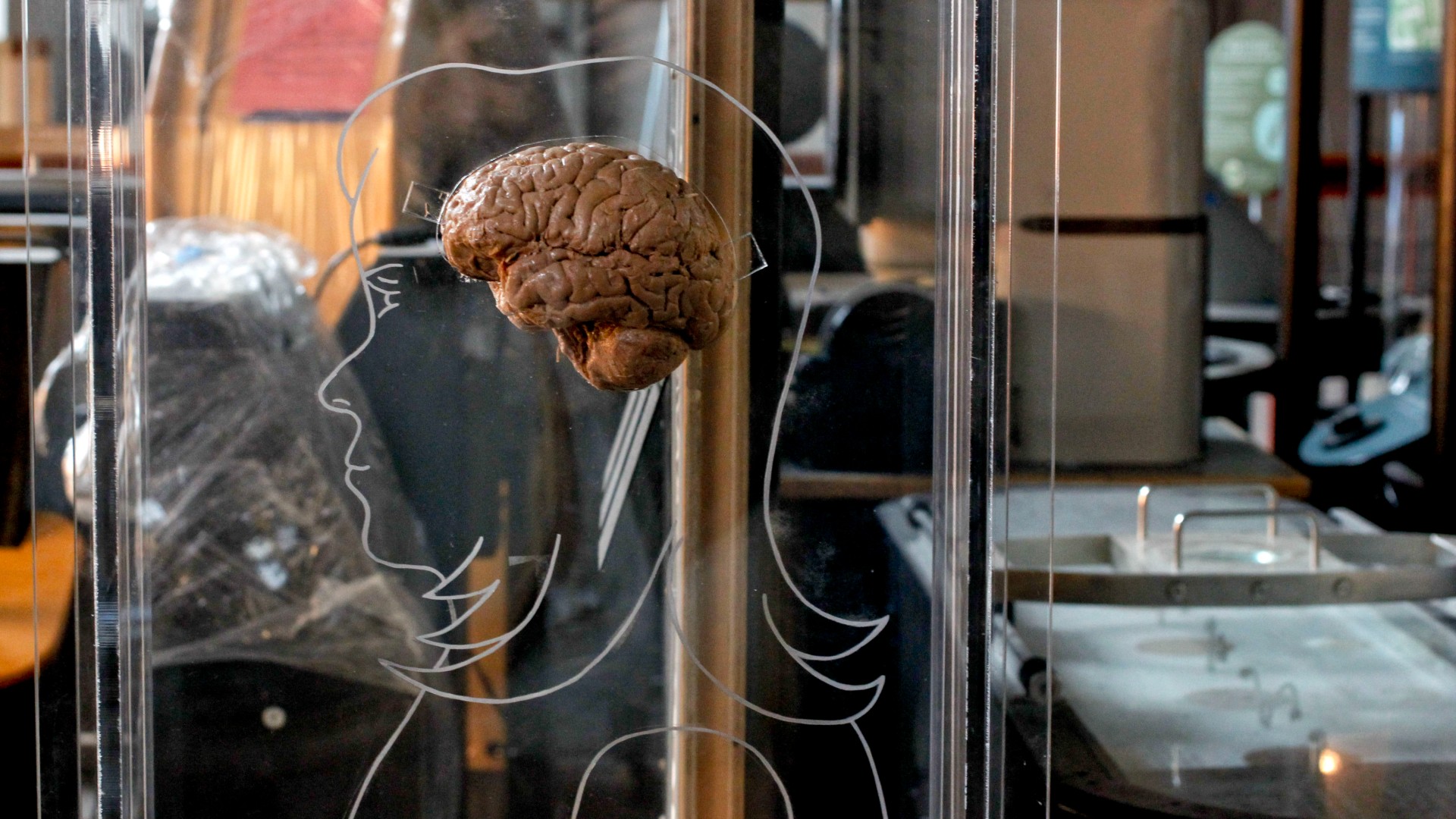
Research into metacognition—thinking about thinking—reveals a crucial balance: moderate confidence, paired with accurate self-assessment, is key to success, while extremes can be detrimental. Cognitive neuroscientist Steve Fleming explains how brains track their own performance, why some people are chronically underconfident, and why a little overconfidence can actually be beneficial.
The Science of Knowing What You Know
Metacognition isn’t merely a philosophical concept; it’s a measurable process in the brain. Fleming’s work at University College London uses tasks where participants make judgments (like identifying line orientations) and then rate their own confidence. By tracking how confidence aligns with actual performance, researchers quantify “metacognitive efficiency”—how well someone knows when they’re right or wrong.
This process isn’t just about conscious thought. Brain imaging reveals multiple stages: neurons firing to reflect uncertainty in perception, prefrontal cortex signaling general confidence, and frontopolar areas activating when metacognitive estimates are used to communicate or control behavior.
Why Underconfidence Persists
Fleming’s research points to a disturbing asymmetry in how anxiety and depression affect self-perception. While people with these conditions aren’t necessarily worse at tasks, they struggle to learn from successes. They readily incorporate failures into their self-assessment but fail to fully acknowledge positive results. This isn’t due to incompetence; the brain is processing confidence signals, but they aren’t being integrated correctly.
The effect is time-dependent: prolonged rumination after a decision exacerbates underconfidence. The advice is simple: if you’re prone to anxiety, trust your initial judgment and avoid overthinking.
The Adaptive Value of Overconfidence
While underconfidence hinders progress, excessive confidence isn’t always a flaw. Fleming suggests that a slightly overconfident worldview, combined with metacognitive sensitivity (knowing when you’re wrong), can be powerfully adaptive. Decisive people are often favored in social and professional settings. However, unchecked overconfidence, lacking self-awareness, can lead to disastrous leadership.
Open-mindedness emerges as a critical moderator: those willing to consider opposing viewpoints exhibit more accurate metacognition and are more likely to update their beliefs when presented with contradictory evidence.
Cultivating Self-Awareness
The findings suggest that metacognition can be trained. Fleming advocates for explicit instruction in schools, arguing that critical thinking about one’s own thinking should be as fundamental as math or history. The goal isn’t just to improve decision-making, but to foster more open-minded and accurate worldviews.
While metacognition isn’t the sole driver of societal polarization, it offers a tangible tool for cultivating more rational and flexible thought patterns. By understanding how our brains assess their own performance, we can move towards more informed decisions and less rigid beliefs.