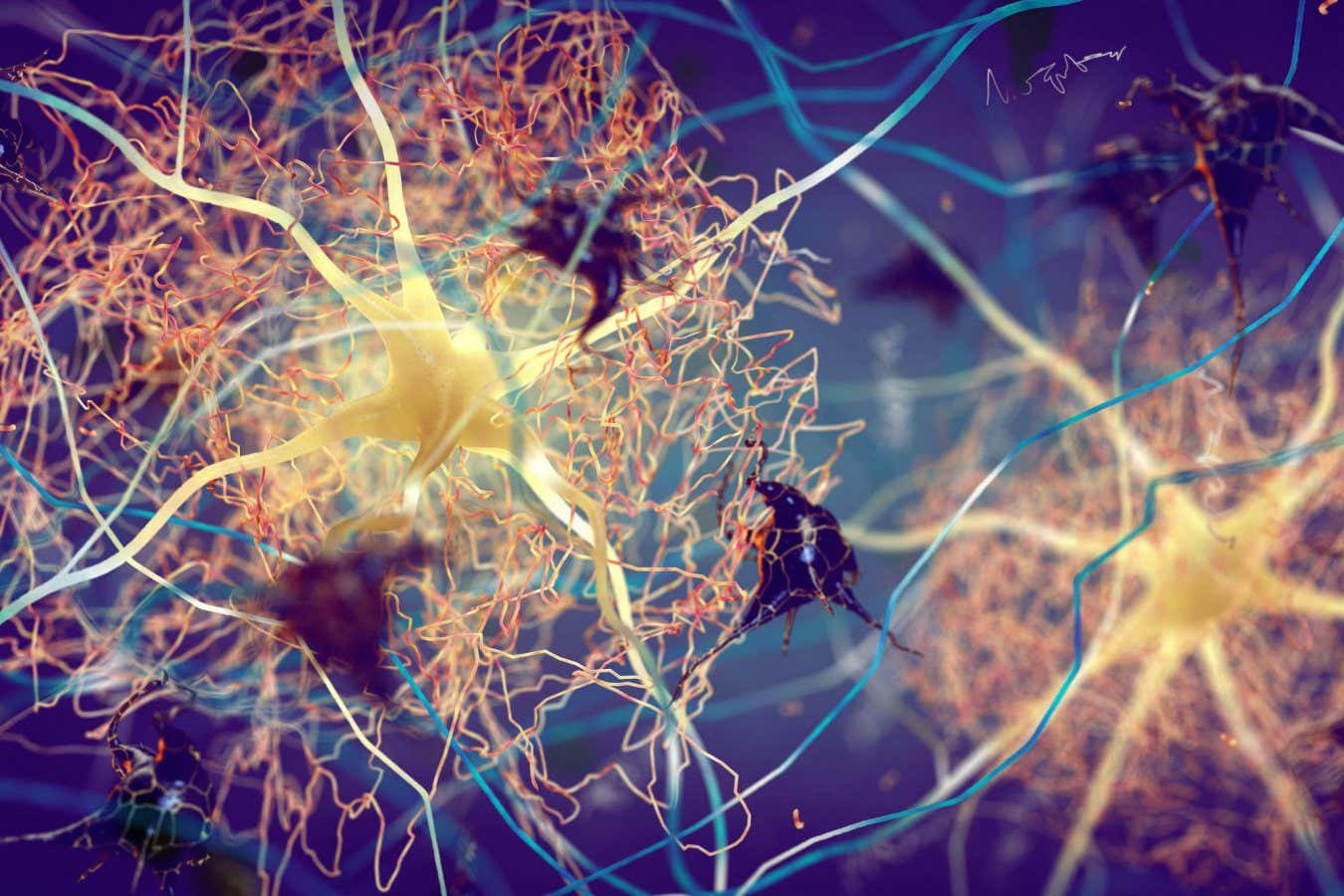
For decades, Alzheimer’s disease has been understood as a brain-centric illness. However, groundbreaking genomic research now suggests the disease may begin with inflammation originating in organs seemingly unrelated to the brain – such as the skin, lungs, or gut – potentially decades before cognitive decline manifests. This shift in understanding could explain why current Alzheimer’s treatments have largely failed, as they target symptoms rather than the disease’s root cause.
The Body-Brain Connection: A Paradigm Shift
Neuroscience has traditionally focused on the brain in isolation, but this study underscores a critical reality: the brain is deeply interconnected with the rest of the body. Changes in peripheral organs directly impact brain function. The research, conducted by Cesar Cunha and his team at the Novo Nordisk Foundation Center for Basic Metabolic Research in Denmark, analyzed genetic data from over 85,000 individuals with and without Alzheimer’s, alongside gene activity in 5 million cells from 40 body areas and 100 brain regions.
Peripheral Inflammation as a Key Trigger
The analysis revealed a surprising pattern. Genes linked to Alzheimer’s risk were expressed more strongly in non-brain tissues – the skin, lungs, digestive system, and immune cells – than in the brain itself. These genes are heavily involved in immune regulation, particularly in barrier tissues that defend against infection and toxins. This suggests Alzheimer’s may not originate in the brain, but instead, develop as a result of chronic inflammation elsewhere in the body.
The timing appears crucial. The highest expression of these genes was observed in individuals aged 55 to 60, suggesting inflammation during midlife is most likely to contribute to Alzheimer’s decades later. Supporting this, a long-term study in Hawaii found that men with elevated inflammatory markers in their late 50s were at a significantly higher risk of developing Alzheimer’s in their 70s and 80s.
Beyond Amyloid: Rethinking Treatment Strategies
Current Alzheimer’s treatments focus on clearing amyloid and tau proteins, believed to cause brain damage. However, limited success suggests these proteins may be consequences of the disease, not the underlying cause. Cunha draws a parallel to early obesity research, where treatments targeting fat tissue failed until genomic studies revealed the brain’s role in regulating appetite.
The implications are clear: if peripheral inflammation drives Alzheimer’s, treatment must shift from addressing brain pathology to reducing systemic inflammation. Promising leads include vaccination in midlife (shingles and BCG vaccines have shown protective effects), alongside lifestyle interventions such as a Mediterranean diet, exercise, limiting alcohol, and managing blood pressure and cholesterol.
The Challenge of Changing Paradigms
Despite mounting evidence, changing the dominant narrative in neuroscience will be difficult. Many researchers remain fixated on amyloid and tau, dismissing inflammation as secondary. However, the emerging body of research linking inflammatory conditions (eczema, pneumonia, gum disease, diabetes) to increased Alzheimer’s risk strengthens the case for a systemic approach.
Ultimately, the future of Alzheimer’s research may lie in viewing the brain not as an isolated organ, but as an integral part of a body-wide system vulnerable to inflammation. The key to prevention and treatment may lie not in targeting the brain directly, but in fortifying the body’s defenses against chronic inflammation throughout life.