A remote population in Greece’s Mani Peninsula has preserved a remarkably distinct genetic profile for over 1,400 years, offering a unique window into the region’s ancient past. New genetic research confirms that the Deep Maniot Greeks, residing in the southernmost part of the Peloponnese, are genetically isolated and retain ancestral links to the Bronze Age and Byzantine eras. This isolation wasn’t accidental; it was enforced by geography, culture, and a tightly-knit patriarchal structure.
Centuries of Isolation
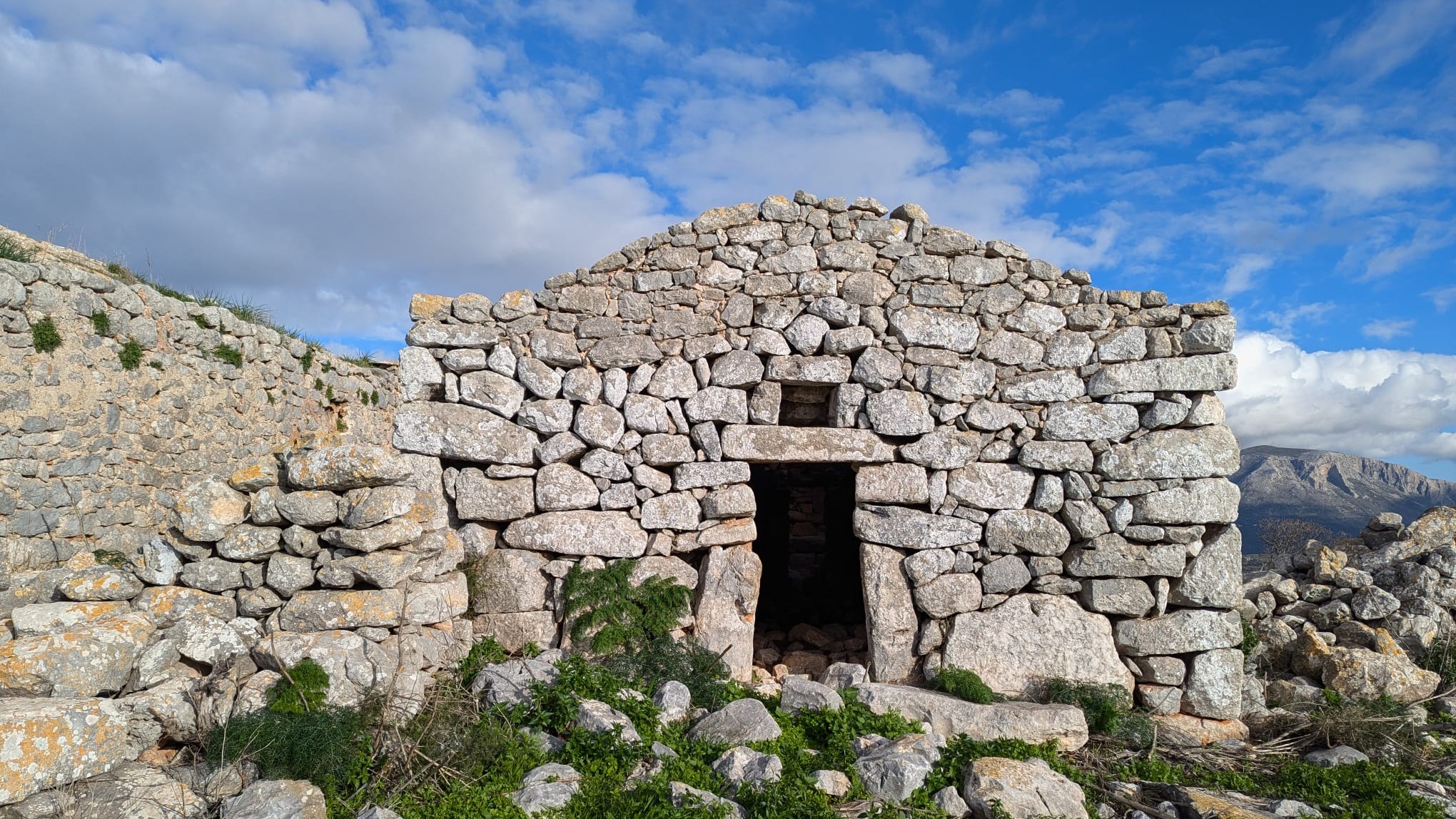
The Mani Peninsula, a rugged extension of mainland Greece, served as a natural barrier. While much of the Peloponnese experienced demographic shifts with Slavic invasions in the 6th century A.D., the Deep Maniots remained largely untouched. This geographical advantage allowed them to maintain a unique genetic identity, becoming a “genetic island” within the broader Greek population.
Paternal Lineages and Founder Effects
Researchers at Oxford University Museum of Natural History analyzed DNA from over 100 Deep Maniots. The results reveal an unusually high frequency of a rare paternal lineage originating in the Caucasus around 28,000 years ago. Notably, this lineage lacks the genetic markers common in mainland Greeks that trace back to Germanic and Slavic migrations during Europe’s Migration Period (300-700 A.D.).
The study highlights a significant “founder effect” among the Maniot men. Over half of the male population today descends from a single ancestor who lived around A.D. 380-670. This means the genetic diversity among men is severely reduced, creating a distinct paternal heritage. A similar, though less pronounced, founder effect was also identified in maternal lineages between A.D. 540-866.
Maternal Genetics: A More Complex Story
While the paternal lines are remarkably conserved, maternal genetics paint a more nuanced picture. Researchers identified 30 distinct maternal lineages within the 50 Deep Maniots tested. Most have roots in Bronze Age and Iron Age Western Eurasia, but several show no close matches to any present-day European populations, suggesting local origins.
Study co-author Alexandros Heraclides explains that these patterns suggest a strongly patriarchal society where male lineages remained stable while outside women were occasionally integrated into the community. This dynamic further reinforced the preservation of ancient genetic markers.
Implications and Significance
This research is important because it provides direct evidence of how geographic isolation and strict social structures can maintain genetic purity over centuries. The Deep Maniot genome represents a snapshot of the genetic landscape of Greece before the major demographic upheavals of the early Middle Ages.
“Our results show that historical isolation left a clear genetic signature,” says study lead author Leonidas-Romanos Davranoglou. “Deep Maniots preserve a snapshot of the genetic landscape of southern Greece before the demographic upheavals of the early Middle Ages.”
The findings also validate local oral traditions of shared descent, now confirmed by scientific evidence. The Deep Maniots aren’t just preserving a culture; they are living archives of ancient genetic history.