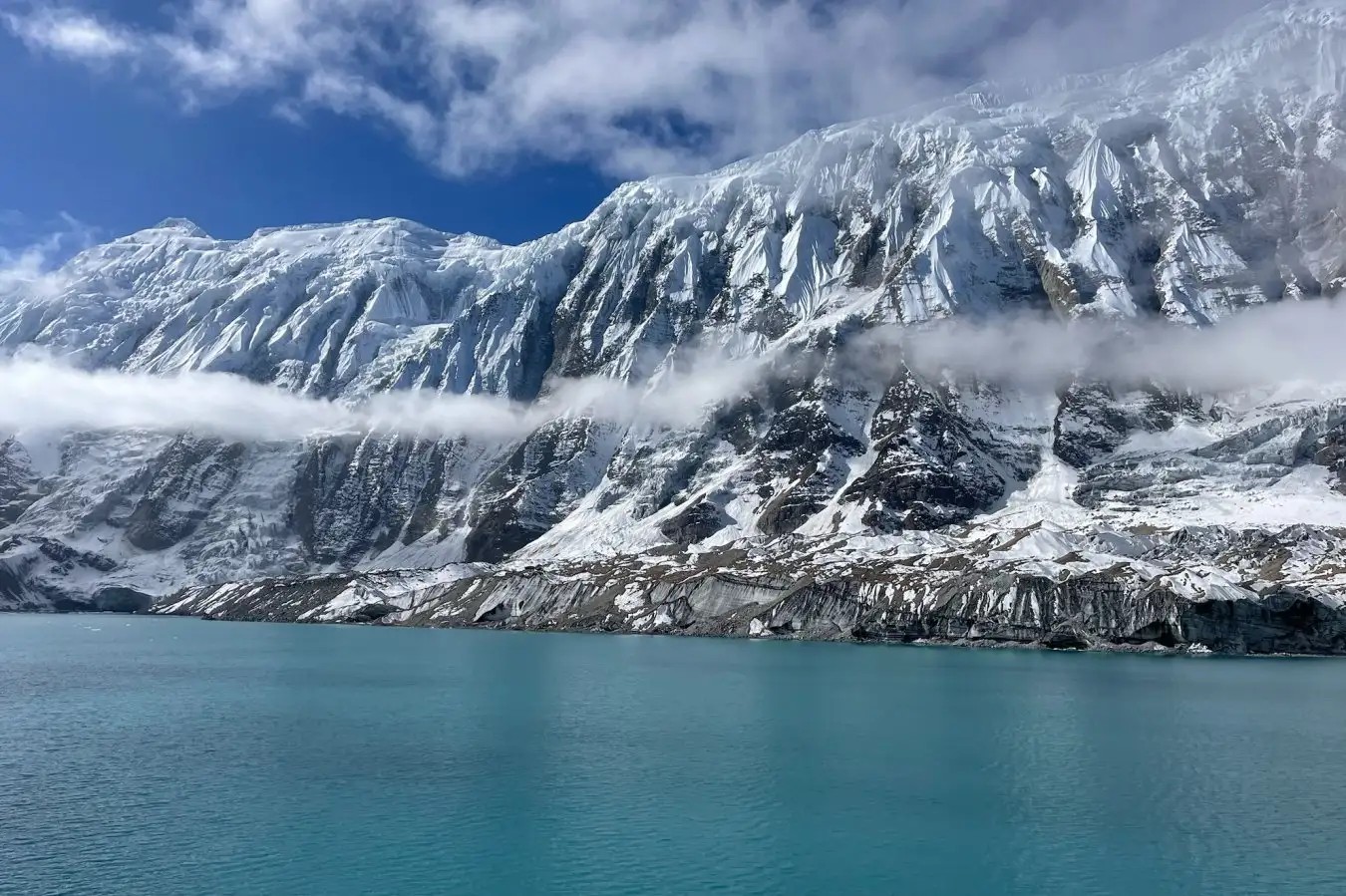
For decades, warnings have circulated about a catastrophic earthquake looming over northern India and western Nepal. The narrative, often repeated by officials and the media, suggests these regions are “overdue” for a major seismic event. However, new research challenges this notion, asserting that earthquake recurrence in the Himalayas is fundamentally random —not cyclical.
The False Premise of Cyclical Earthquakes
The idea of a 500-year cycle stems from the fact that the central Himalayan fault last experienced a major quake in 1505. This led some researchers to believe a large earthquake was inevitable, given an assumed recurrence rate. But the reality, as demonstrated by recent studies, is far more complex.
Scientists have now uncovered evidence of at least 50 earthquakes with a magnitude of 6.5 or greater occurring in this region over the last 6,000 years, including eight since 1505. Crucially, these events haven’t followed a predictable schedule. Instead, they’ve unfolded haphazardly, driven by the ongoing collision of the Indian and Eurasian tectonic plates. This collision is the source of the immense seismic activity in the area.
How Misleading Records Fueled the Myth
The perception of a “seismic gap” in the central Himalayan fault—a region where fewer historical earthquakes have been documented—further intensified fears of a devastating quake. However, this gap isn’t due to accumulated pressure, but rather a knowledge gap in historical record-keeping.
Traditional paleoseismological methods, which rely on digging trenches to find past ground ruptures, tend to miss smaller earthquakes that don’t break the surface. This skewed the data, leading to inflated estimates of “interevent intervals” or “return periods.” The result was the false assumption that a massive earthquake was building up, waiting to unleash.
New Evidence from Lake Sediments
To create a more accurate record, researchers analyzed sediment cores from Lake Rara in western Nepal. By examining layers of sediment deposited by underwater landslides triggered by earthquakes, they identified 50 significant seismic events over the past 6,000 years. The data confirms that these earthquakes occur in clusters, but those clusters happen randomly in time.
“We have to stop discussing and having long debates over the periodicity of earthquakes in the Himalayas… and consider the risk within that framework,” says Zakaria Ghazoui-Schaus, lead author of the study.
Implications for Risk Assessment
While the random nature of Himalayan earthquakes means there’s no way to predict when the next major event will strike, this doesn’t negate the need for preparedness. The average interval between earthquakes of a certain magnitude remains a useful metric for assessing seismic risk in infrastructure projects.
Calculating potential seismic activity can help ensure structures—such as bridges and dams—are built to withstand foreseeable tremors. The key is to acknowledge the randomness while still accounting for the long-term statistical probabilities. Ultimately, the best defense against earthquakes isn’t predicting them, but building resilient infrastructure.