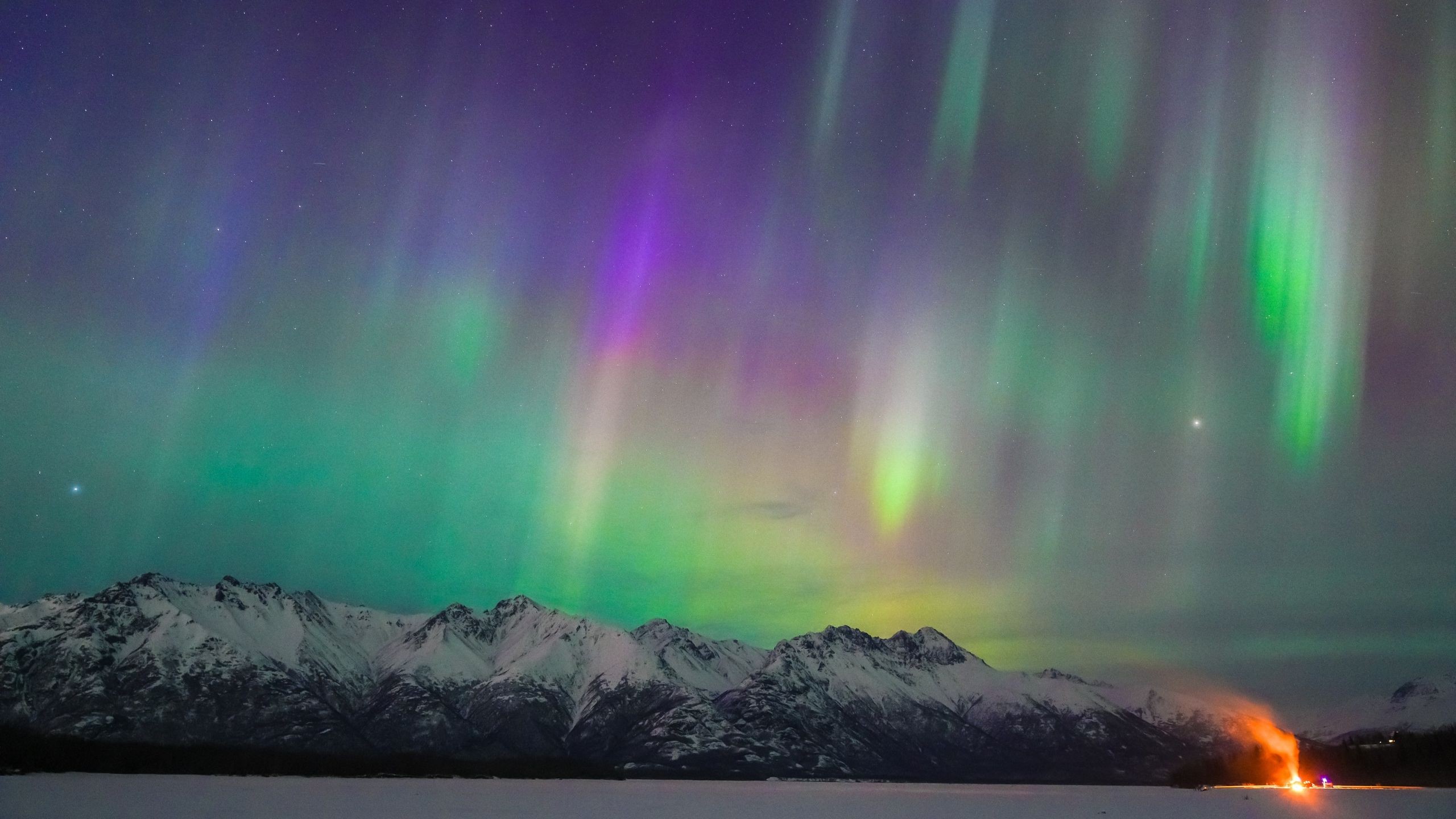
A powerful G3 geomagnetic storm over the weekend ignited spectacular aurora displays across the globe, extending far beyond typical polar regions. Skywatchers in North America, Europe, and even Australia witnessed vibrant northern (and southern) lights, a rare event fueled by intense solar activity.
The Science Behind the Show
The dazzling phenomenon stemmed from a combined assault of coronal mass ejections (CMEs) and a high-speed solar wind stream originating from a coronal hole on the Sun. The National Oceanic and Atmospheric Administration (NOAA) confirmed G3 storm levels, creating ideal conditions for auroras to appear at unusually low latitudes. This means that people in locations like Wyoming, New Mexico, and even England were treated to the usually high-latitude spectacle.
Highlights from Around the World
Photographers and aurora chasers documented the event with stunning clarity.
- Alaska: Hasan Akbas captured a rare aurora corona – a crown-like display when the lights appear directly overhead – and vibrant curtains of color over snow-capped mountains near Fairbanks.
- Wyoming: Hunter Fowkes witnessed intense pillars of light during a substorm in Cheyenne, describing the aurora as almost rivaling the sun in brightness.
- New Mexico: Derick Wilson photographed a striking red aurora glow in a mid-latitude location, highlighting how far south the lights reached.
- Iceland & England: X users and photographers in Reykjavik, Iceland, and the Yorkshire Dales, England, shared breathtaking timelapses of dancing auroras breaking through the night sky.
- Australia: The southern hemisphere wasn’t left out; AustraliaSkynWeather captured a vivid display of the aurora australis (southern lights) from Victoria using an iPhone 17Pro.
Why This Matters
Geomagnetic storms of this magnitude are not just visually striking; they also affect technology. Strong storms can disrupt radio communications, GPS systems, and even power grids. While this particular event did not cause major infrastructure failures, it serves as a reminder of the Sun’s influence on Earth. The frequency of these storms is tied to the Sun’s 11-year activity cycle, meaning we may see more such events in the coming years as the current cycle intensifies.
The widespread visibility of the auroras this weekend demonstrates the power of space weather to impact our planet in beautiful, yet potentially disruptive ways.