The Moon is in its Waxing Crescent phase tonight, meaning only a tiny sliver is illuminated. As of February 18, 2025, just 1% of the Moon is visible, making it difficult to spot without clear skies and a keen eye. This marks the early stage of the lunar cycle, with brightness increasing over the coming days.
Understanding the Lunar Cycle
The Moon orbits Earth in approximately 29.5 days, cycling through eight distinct phases as the angle of sunlight reflecting off its surface changes. These phases aren’t just about aesthetics; they have influenced human cultures for millennia, from agriculture to mythology.
Here’s a breakdown of each phase:
- New Moon: The Moon is positioned between Earth and the Sun, rendering the side facing us dark and invisible.
- Waxing Crescent: A faint sliver of light emerges on the right side (in the Northern Hemisphere), growing each night.
- First Quarter: Half of the Moon appears lit, resembling a semi-circle.
- Waxing Gibbous: More than half of the Moon is illuminated, continuing to brighten.
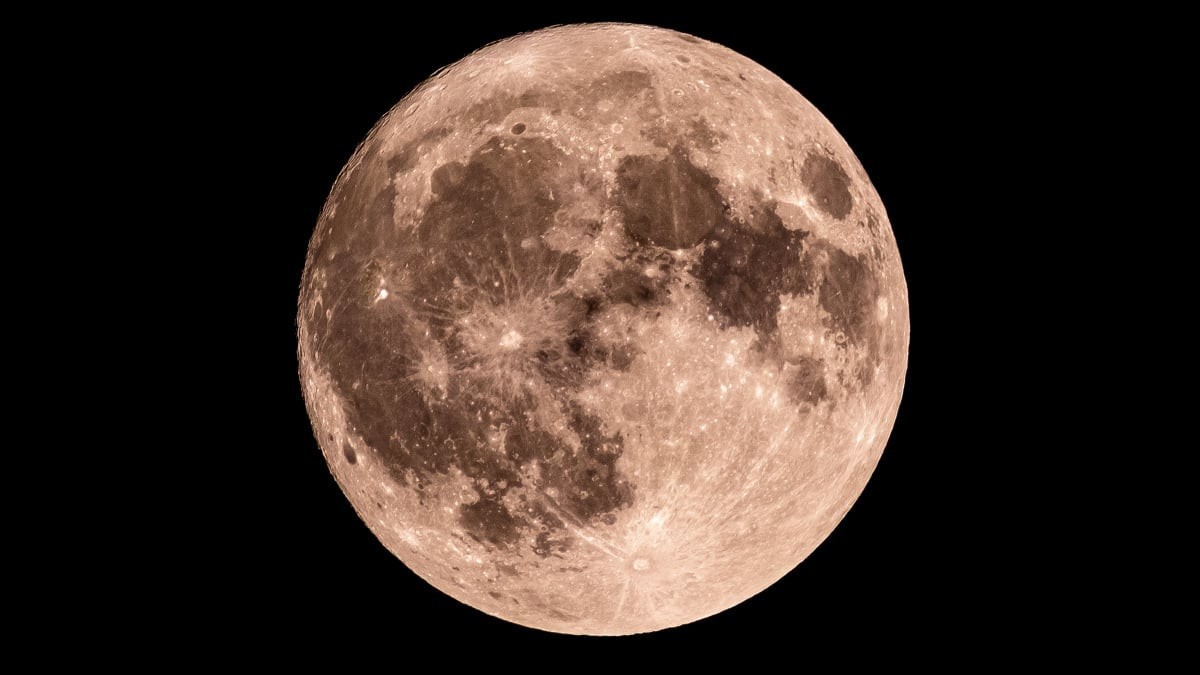
- Full Moon: The entire face of the Moon is fully lit, appearing as a bright circle in the night sky.
- Waning Gibbous: The illuminated portion begins to decrease from the right side.
- Third Quarter (Last Quarter): Half of the Moon is lit again, but this time on the left side.
- Waning Crescent: A diminishing sliver of light remains on the left before disappearing entirely into the New Moon phase.
Next Full Moon
The next Full Moon is scheduled for March 3, following a previous Full Moon on February 1. These events are predictable, allowing astronomers and enthusiasts to track lunar activity with precision.
The lunar cycle is a fundamental aspect of celestial mechanics, and understanding these phases helps us appreciate the Moon’s influence on our planet.