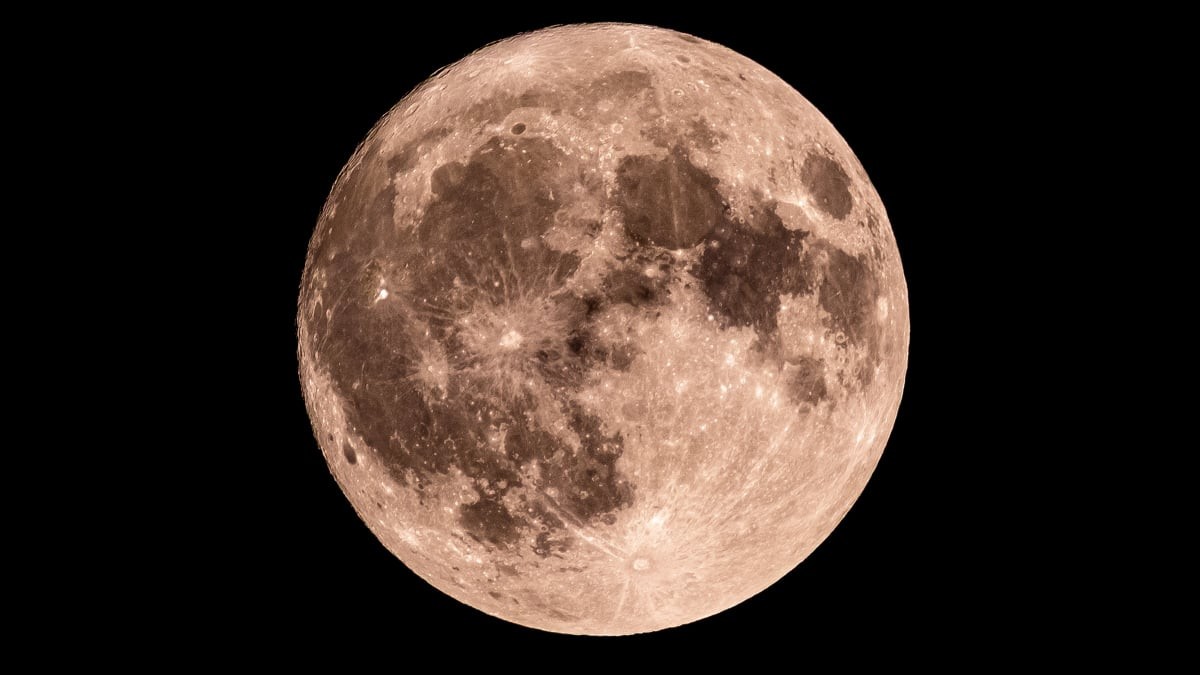
As of today, January 26, 2025, the Moon is in its First Quarter phase, meaning approximately 54% of its visible surface is illuminated. This marks a point where the Moon is one night away from becoming fully lit, and just over half of the lunar disc is visible to observers on Earth.
What You Can See Tonight
With the naked eye, observers can discern the prominent dark and light areas of the Moon’s surface. The darker regions, known as maria (seas), such as Crisium, Serenitatis, and Vaporum, are easily visible. Binoculars enhance the view, revealing features like the Apennine Mountains, Alphonsus Crater, and Mare Nectaris. Telescopes provide even greater detail, including the historic landing sites of Apollo 11 and 15, as well as the Rupes Altai—a dramatic lunar fault line.
The Lunar Cycle Explained
The Moon’s cycle from New Moon to New Moon lasts roughly 29.5 days. During this period, the Moon progresses through eight distinct phases:
- New Moon: Invisible, as the Moon sits between Earth and the Sun.
- Waxing Crescent: A sliver of light appears on the right side.
- First Quarter: Half of the Moon is lit on the right side.
- Waxing Gibbous: More than half of the Moon is illuminated.
- Full Moon: The entire face of the Moon is bright.
- Waning Gibbous: The Moon starts to lose light on the right side.
- Third Quarter (Last Quarter): Half of the Moon is lit on the left side.
- Waning Crescent: A thin sliver of light remains on the left before becoming dark again.
The amount of sunlight hitting the Moon at any given time determines how much of it appears lit from Earth. This is due to the Moon’s orbit around our planet, while always showing us the same side, changes the perspective of how much of it is illuminated.
Looking Ahead
The next Full Moon is scheduled for February 1, 2025, following a period of increasing brightness in the sky. The last full moon occurred on January 3, continuing this regular celestial pattern.
The lunar cycle is a fundamental aspect of astronomy and affects not only our night sky but also phenomena like tides, making it a crucial element in understanding Earth’s relationship with its nearest celestial neighbor.