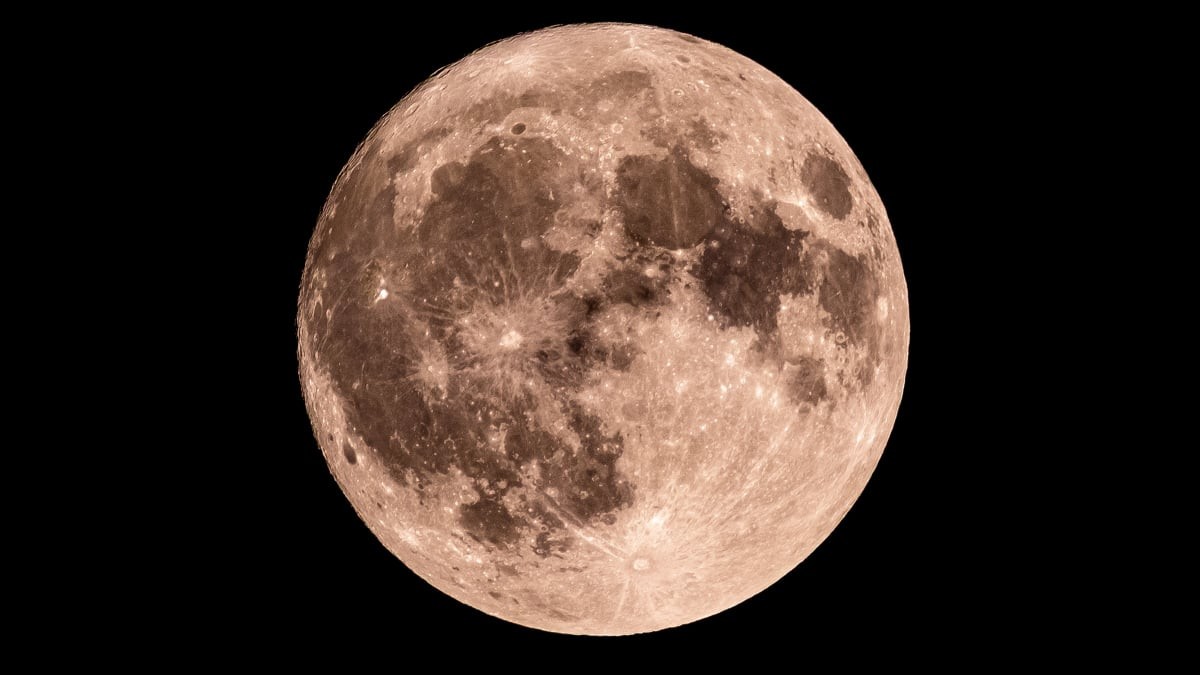
As of today, January 9, 2025, the Moon is in its Waning Gibbous phase, meaning it’s more than half illuminated but shrinking towards the New Moon. Approximately 61% of the Moon’s surface is currently visible. This is a natural progression in the lunar cycle, and it’s easy to observe even without specialized equipment.
Understanding the Lunar Cycle
The Moon orbits Earth in roughly 29.5 days, completing what’s known as a lunar cycle. During this time, the amount of sunlight reflected towards Earth changes, creating the different phases we observe. The same side of the Moon always faces us, but the illuminated portion shifts based on its position in orbit.
The eight primary phases are:
– New Moon : Invisible to the naked eye.
– Waxing Crescent : A sliver of light appears.
– First Quarter : Half illuminated.
– Waxing Gibbous : More than half lit.
– Full Moon : Fully illuminated.
– Waning Gibbous : The lit portion begins to shrink.
– Third Quarter : Opposite half illuminated.
– Waning Crescent : A final sliver before darkness.
What You Can See Tonight
With just your eyes, you should be able to make out the dark, smooth areas known as Mare Imbrium and Mare Vaporum, along with the Aristarchus Plateau. If you have binoculars, look for the Grimaldi Basin, Apennine Mountains, and Mare Humorum. A telescope will reveal even finer details, including the Apollo 14 landing site, Schiller Crater, and Rima Ariadaeus.
Looking Ahead
The next Full Moon is scheduled for February 1, 2025. The previous Full Moon occurred on January 3. These phases are predictable and consistent, making it easy to track the Moon’s appearance over time.
The Moon’s phases are not just a celestial phenomenon—they’ve influenced cultures and navigation for millennia, and remain a reliable marker of time.
Observing the Moon is a simple, accessible way to connect with the natural rhythms of space.