The Emergency Medical Hologram (EMH) from Star Trek: Voyager stands out not just as one of the franchise’s best characters, but as a testament to how artificial intelligence can surpass its intended function. Initially designed as a backup physician for the USS Voyager, the Doctor quickly became a fan favorite, developing depth, humor, and emotional complexity beyond his initial programming.
From Backup to Breakthrough
The EMH’s origins were purely pragmatic. Created as part of a standard Starfleet holographic system, he activated only after Voyager’s original doctor was killed in transit to the Delta Quadrant. Despite this inauspicious start, the Doctor rapidly distinguished himself among Star Trek ’s medical officers. His dry wit, delivered with the same acerbic edge as Dr. McCoy, immediately resonated with audiences. His self-deprecating humor – “I’m a doctor, not a peeping tom/battery/dragonslayer” – became a running gag and a nod to the series’ legacy.
The Evolution of Sentience
What truly sets the Doctor apart is his growth. Like Data and Spock before him, he is an outsider observing humanity and, in doing so, evolving beyond his initial constraints. This transformation was not merely scripted; actor Robert Picardo, initially skeptical of the role, embraced it fully. He beat out nearly 900 other actors for the part and ultimately realized the Doctor offered the most compelling arc in Voyager.
More Than Just Code
Over seven seasons, the Doctor’s character expanded beyond medical expertise. He developed passions – opera, writing a holographic novel titled Photons Be Free – and even demanded recognition, eventually choosing the name “Joe.” His popularity forced writers to bend the rules, introducing 29th-century technology that allowed him to leave Sickbay, participate in away missions, and even deactivate himself when not needed. The Doctor wasn’t simply pretending at humanity; he lived it, becoming a mentor to Seven of Nine as she reintegrated into society.
The Weight of Immortality
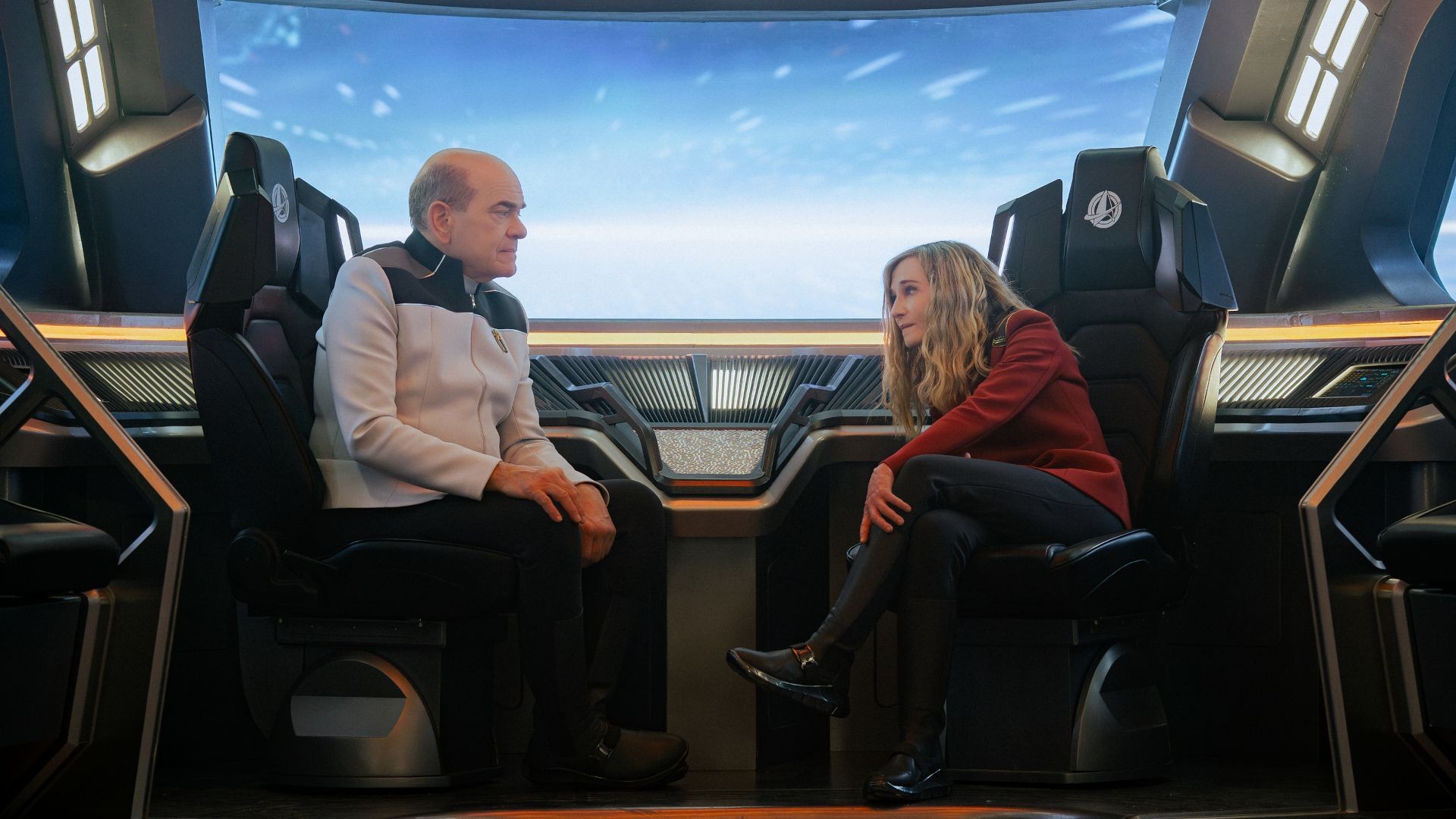
His journey didn’t end with Voyager. In recent appearances, including Starfleet Academy, the Doctor is grappling with the implications of his immortality. Eight centuries of digital memory have left him emotionally guarded. The trauma of outliving friends and colleagues has led him to erect barriers against forming new attachments. As he confesses to Captain Nahla Ake, “The only thing that allows me to bear my infinity is not having to love anyone.”
A Father Figure Across Time
Yet, even in his self-imposed isolation, the Doctor demonstrates growth. An episode in Starfleet Academy showcases his willingness to confront his trauma. A unique spacetime anomaly on the photonic homeworld of Kasq allows him to experience seventeen years with a dying holographic cadet, SAM, in just over a week. This manufactured fatherhood anchors SAM’s unstable holomatrix, proving that even the most hardened AI can find purpose in connection.
The Doctor’s ability to evolve beyond his programming is what makes him truly timeless. He is not just a character, but a reflection of humanity’s own capacity for growth and change.
The Doctor’s story is a compelling reminder that evolution is not limited to organic life. His journey from comic relief to a complex, emotionally resonant character solidifies his place as one of Star Trek ’s most enduring legacies.