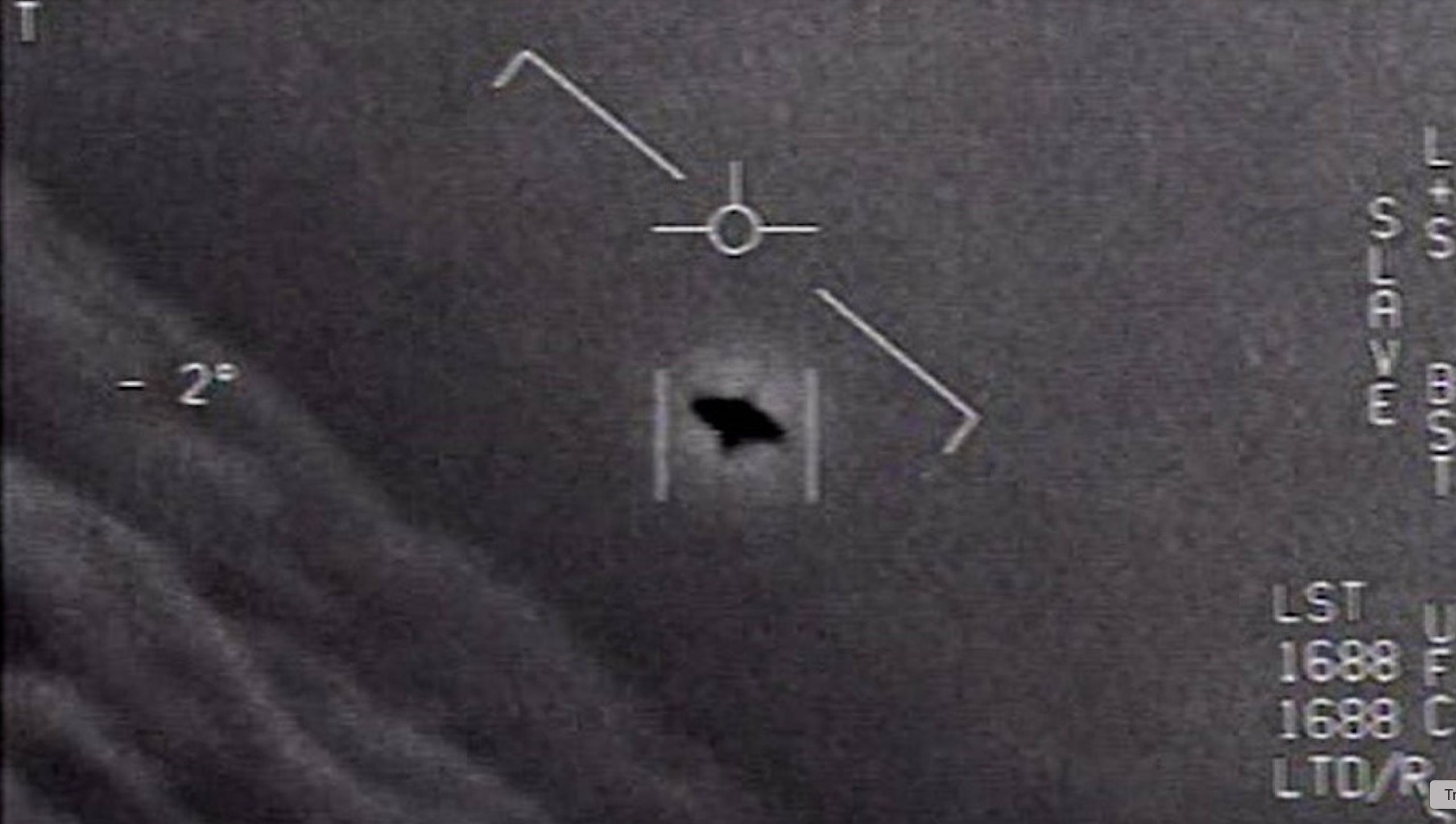
The question of whether extraterrestrial life exists has long captivated the public imagination. But what if conclusive proof emerged? Recent developments, including a potential push for government disclosure of UFO/UAP-related files, raise critical questions about how humanity would handle such a revelation. Experts across multiple disciplines suggest the impact could range from societal upheaval to scientific revolution – or simply be dismissed as another government conspiracy.
The History of Secrecy and Suspicion
For decades, governments have been accused of withholding information about unidentified aerial phenomena. Historian Greg Eghigian, author of After the Flying Saucers Came, points out that past declassifications have only deepened skepticism.
“Even apparent openness can be suspected of disguising more secrecy. The appetite for disclosure is likely to never be satisfied.”
This distrust stems from a cyclical pattern: released documents are either interpreted as inconclusive or dismissed as further evidence of cover-ups. The core issue isn’t just what is revealed, but how it’s presented and what remains hidden.
The Scientific Perspective: Data Over Speculation
While the UFO debate often centers on extraterrestrial visitors, some researchers advocate for a more systematic approach. Harvard’s Galileo Project, led by Avi Loeb, focuses on acquiring new data rather than re-analyzing blurry historical footage.
“I doubt much will be revealed in any ‘disclosure.'”
Loeb argues that bureaucratic inertia within intelligence agencies – where classified information is tightly controlled – may hinder genuine transparency. He suggests declassifying events from 50 years ago, as outdated technologies pose little current security risk, but the deeper issue is the systematic control of information.
The Potential Impact: From Theology to Worldviews
If confirmed extraterrestrial contact occurred, the consequences would be far-reaching. Astrobiologist Steven Dick, author of Astrobiology, Discovery, and Societal Impact, notes that even a close encounter (UFO/UAP) would have the most significant impact due to its immediacy.
“Even if the alien bodies or technologies are discovered from past visits, it would change our scientific, theological, philosophical and cultural worldviews, in a number of ways.”
This shift extends beyond science: the mere contemplation of extraterrestrial life has already spurred the emergence of “astrotheology,” a field exploring the intersection of faith and the possibility of alien intelligence.
Skepticism and Preparedness
Not everyone believes a full disclosure is likely. Veteran investigator George Knapp, who has followed UFOs for decades, suggests that the public may not be ready for certain truths.
“We think we can handle the truth… I’m not sure either of those are true.”
Philosopher Carol Cleland echoes this sentiment, predicting a mixed reaction: some would dismiss the news as false, others would embrace it with religious fervor, while scientists would view it as revolutionary. However, she also warns of potential concern regarding the intentions of intelligences that may have been observing humanity for an unknown period.
Ultimately, the readiness of society to accept such a revelation remains uncertain. The question isn’t just about whether extraterrestrial life exists, but whether humanity can reconcile that reality with its own beliefs and assumptions.