
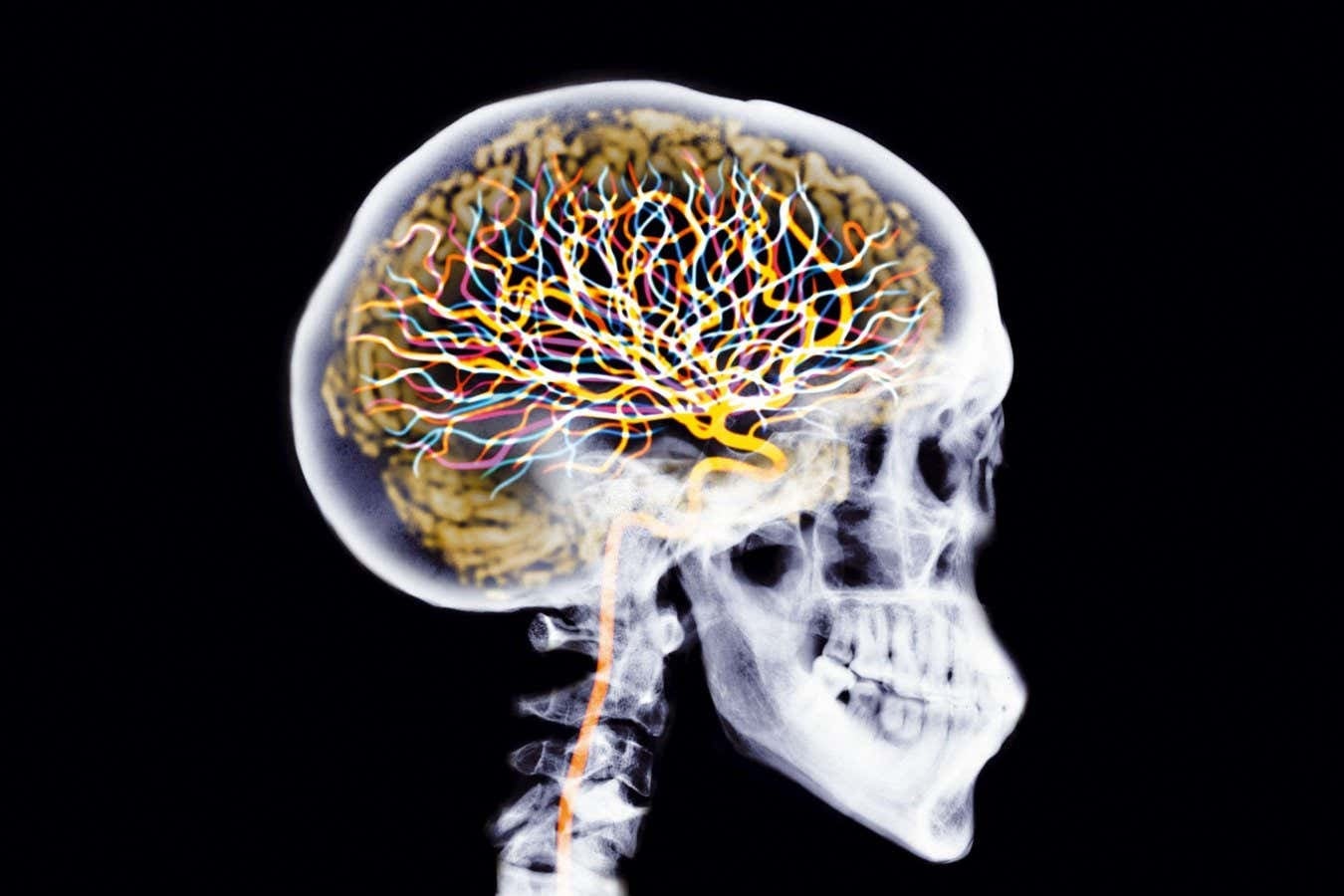
The new year often brings resolutions for physical health—cutting back on excesses, improving diet, and so on. But what about a “detox” for the brain? The idea isn’t as far-fetched as it sounds. The brain has a natural waste-removal system, and emerging research suggests we can influence its efficiency, potentially safeguarding against cognitive decline.
The Brain’s Built-In Cleanup Crew
For years, scientists have known that the brain generates metabolic waste, which, if left unchecked, can damage neurons and contribute to neurodegenerative diseases like Alzheimer’s and Parkinson’s. The key to clearing this waste is the glymphatic system, a relatively recent discovery that functions much like a dishwasher for the brain.
This system “sucks out” unwanted proteins and debris from the spaces between neurons and transports them to the cerebrospinal fluid (CSF). From there, the waste is routed through the lymphatic system and eventually excreted from the body. The glymphatic system’s efficiency is crucial because a buildup of metabolic waste is directly linked to poorer cognitive function and increased risk of neurodegenerative conditions.
Lifestyle Factors That Boost Brain Clearance
While the glymphatic system works on its own, we can support its function through specific lifestyle choices. Sleep is the most well-established method. During wakefulness, the system is largely inactive, but during sleep, CSF flow increases by up to 60% in mice, enhancing the removal of beta amyloid—a protein associated with Alzheimer’s disease. Though human trials are still underway, reducing sleep disturbances is already linked to better cognitive health.
Interestingly, how you sleep may also matter. Studies in mice suggest that sleeping on your side improves glymphatic clearance more efficiently than sleeping on your back or stomach. Though unproven in humans, given the strong connection between sleep disturbances and dementia, this could be a valuable strategy.
Exercise is another powerful tool. A 12-week stationary cycling regimen increased glymphatic drainage in adults, and studies in mice show that clearance approximately doubles after just five weeks of regular exercise. The exact mechanisms are still being studied, but the benefits are clear.
Emerging Strategies: Massage & Breathing
Beyond sleep and exercise, other potential methods are under investigation. Researchers have identified lymphatic vessels near the skin on the face and neck. In mice, gently stroking downward along these areas increased CSF flow threefold, restoring youthful function in older animals. While human studies are needed, facial or neck massage might provide a non-invasive way to enhance glymphatic clearance.
Yogic breathing —specifically diaphragmatic breathing—also shows promise. This technique increases CSF velocity enough to trigger the glymphatic “rinse cycle,” according to preliminary findings. Diaphragmatic breathing involves deep, controlled breaths that engage the diaphragm, maximizing airflow.
What This Means for the Future
Despite growing excitement, our understanding of the glymphatic system remains in its early stages. Rigorous, large-scale studies are needed to confirm these interventions and determine their long-term effects. But the potential is undeniable: optimizing this natural cleaning process could be a critical step in preventing cognitive decline and sustaining healthy aging.
For now, prioritizing sleep, exercise, and exploring techniques like diaphragmatic breathing are sensible approaches. These habits are already beneficial for overall health, and if the research holds true, they may also be essential for keeping your mind clear for years to come.