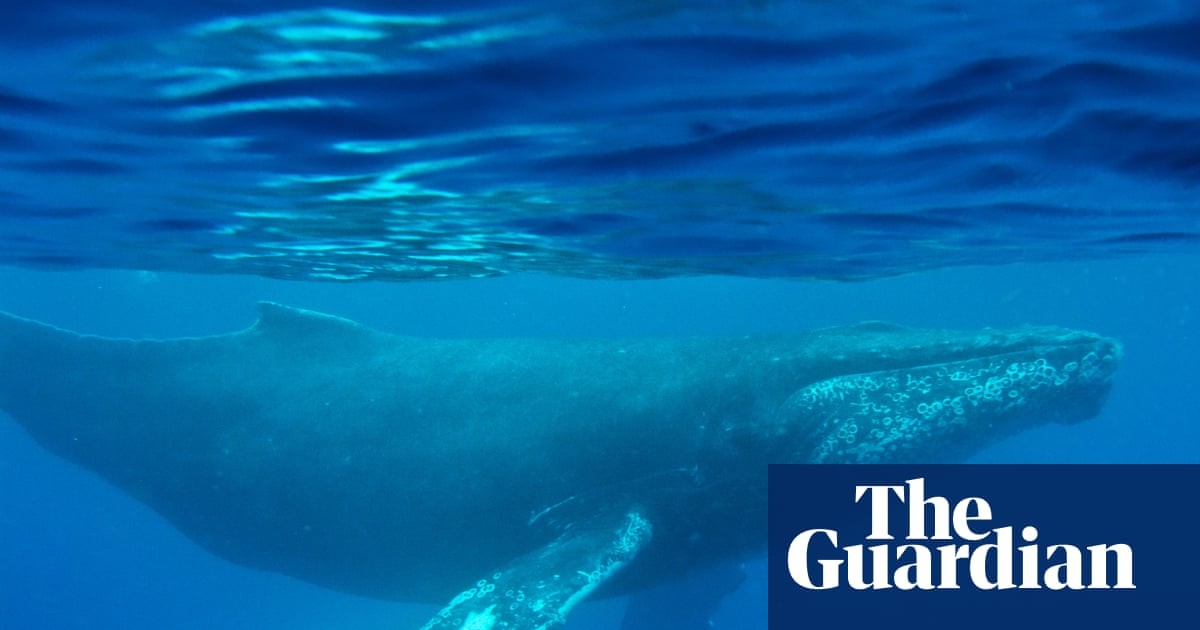
A recently rediscovered audio recording from 1949 captures the oldest-known whale song, offering a unique glimpse into how humpback whales communicated in a pre-industrial ocean soundscape. Researchers at the Woods Hole Oceanographic Institution unearthed the recording while digitizing historical archives, revealing a pristine snapshot of marine acoustics before the rise of widespread shipping and naval activity.
The Discovery: A Serendipitous Find
The song, belonging to a humpback whale, was captured by scientists testing sonar systems in Bermuda. At the time, the research team didn’t fully understand what they were hearing, but their curiosity led them to preserve the recording on a durable plastic disc – a medium that outlasted the more common tape recordings of the era.
This preservation is significant: most recordings from that period deteriorated long ago. The disc’s survival provides a rare, direct comparison between historical and modern ocean soundscapes.
Why This Matters: A Baseline for Change
The 1949 recording isn’t just a historic artifact; it’s a crucial baseline for understanding the impact of human-generated noise on whale communication. Whales rely on sound for survival, using clicks, whistles, and complex songs to navigate, find food, socialize, and understand their environment. Modern research from the National Oceanic and Atmospheric Administration (NOAA) shows that whales adapt their vocal behavior in response to noise pollution, and this recording provides a benchmark to assess those changes.
The ocean in the late 1940s was dramatically quieter. Today, increased shipping traffic, sonar systems, and other human activities create a constant underwater din. The recovered recording allows scientists to reconstruct the acoustic environment whales faced before this noise pollution, helping them better understand how these sounds affect whale behavior.
Beyond the Song: Context and Legacy
The discovery predates Roger Payne’s groundbreaking 1970s research on whale song by almost two decades. The original scientists were focused on technology testing, not whale communication, but their foresight in preserving the recording has yielded unexpected scientific value. The fact that they deliberately silenced their ship’s noise to capture more ambient sounds is a testament to their early, intuitive scientific approach.
The recording’s rediscovery is more than just an academic achievement; it’s a reminder of how much the ocean has changed. The clear, undisturbed whale song serves as a powerful symbol of a quieter past and a call to action for preserving marine ecosystems in the future.
This recording is not just about the past; it’s about understanding the present and shaping a better future for these magnificent creatures.
The rediscovery of this lost song highlights the importance of preserving historical data, even when its immediate value isn’t apparent. It underscores the need for continued research into the effects of human noise on marine life, ensuring that whales can continue to sing their songs in a changing world.