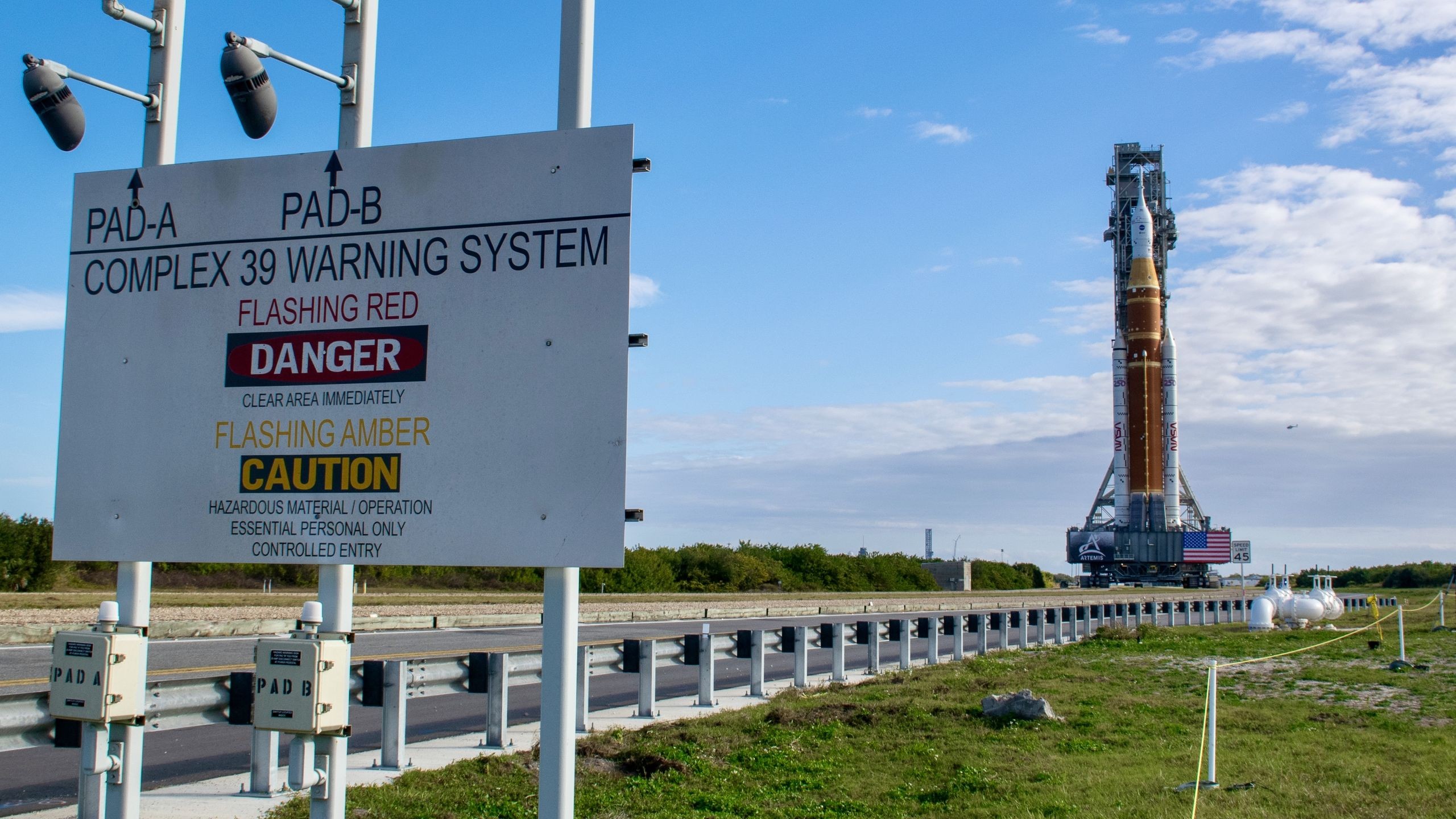
NASA has significantly altered its Artemis program, pushing the first crewed moon landing from Artemis 3 (originally planned for 2026) to Artemis 4 in 2028, with a possible second landing under Artemis 5 that same year. The move comes after safety concerns raised by the Aerospace Safety Advisory Panel (ASAP) regarding the readiness of both the Space Launch System (SLS) rocket and the Human Landing Systems (HLS) developed by SpaceX and Blue Origin.
Rethinking the Lunar Return
The initial plan for Artemis 3—a direct landing on the moon—has been replaced with a more conservative approach: an Earth-orbit rendezvous in 2027. This involves testing lander capabilities in low Earth orbit before committing to a lunar mission. The shift is driven by the slow development of HLS vehicles, particularly SpaceX’s Starship and Blue Origin’s Blue Moon, which have yet to meet critical testing milestones for crewed lunar operations.
“This is just not the right pathway forward… Going right to the moon… is not a pathway to success,” stated NASA Administrator Jared Isaacman, emphasizing the need for a safer, more methodical strategy.
Streamlining SLS Production
To accelerate the program, NASA will standardize the SLS rocket design, aiming to reduce launch intervals from once every three years to every ten months. This requires bolstering NASA’s workforce to “rebuild core competencies” and improve manufacturing efficiency. The agency recognizes that a faster launch cadence is not just about speed but also about enhancing safety through more frequent testing and refinement.
Addressing Safety Concerns
The ASAP report highlighted significant risks in the original Artemis architecture, particularly the reliance on unproven lander technologies. The new framework minimizes these risks by allowing for thorough testing in Earth orbit before attempting a lunar landing. This approach mirrors the historical progression of NASA’s Apollo program, which built up capabilities through Mercury and Gemini missions before reaching the moon.
Artemis 2 Still on Track
Despite the broader program shift, NASA remains focused on launching Artemis 2 in April 2024. The mission, carrying four astronauts in Orion, will perform a lunar flyby but not land. Engineers are currently addressing a helium flow issue detected during a recent wet dress rehearsal, which required returning the SLS rocket to the Vehicle Assembly Building (VAB) for repairs.
Conclusion
NASA’s decision to delay the moon landing reflects a pragmatic response to technological challenges and safety concerns. By prioritizing incremental progress and streamlining rocket production, the agency aims to establish a sustainable lunar presence while minimizing risks. The revised Artemis plan is a step back in the short term but a more realistic pathway to long-term success.