


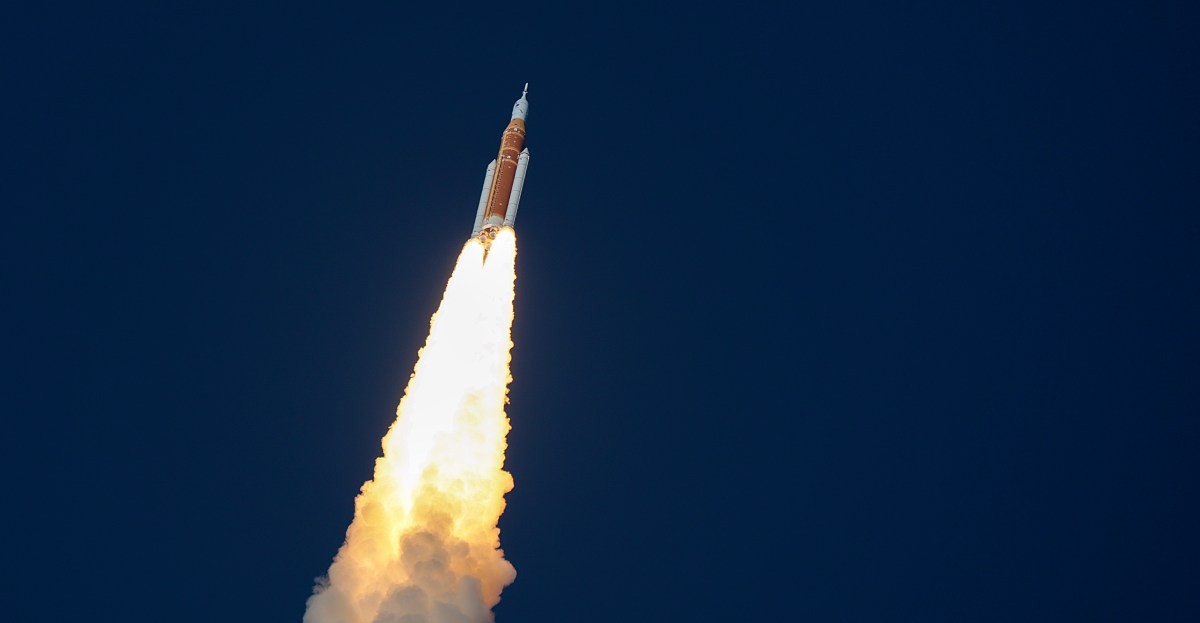
NASA successfully launched its Artemis II mission on Wednesday evening, sending four astronauts on a groundbreaking journey toward the Moon. This marks the first time humans will orbit Earth’s natural satellite in more than half a century, reigniting ambitions for long-term lunar presence and future missions to Mars.
Mission Overview: A Ten-Day Orbital Flight
The crew – comprising NASA astronauts Reid Wiseman, Victor Glover, Christina Koch, and Canadian astronaut Jeremy Hansen – will spend ten days in lunar orbit aboard the Orion crew capsule. Their flight utilizes the Space Launch System (SLS) rocket, a critical component of NASA’s Artemis program. This mission serves as a full-scale test of the SLS and Orion systems before attempting a landing.
The Artemis program aims to establish a sustainable human presence on the Moon by 2028, leveraging lunar resources and infrastructure for deep-space exploration. It’s a significant departure from the Apollo missions of the 1960s and 70s, which were largely focused on symbolic achievements rather than long-term habitation.
Timeline Shifts and Future Plans
NASA recently adjusted its lunar landing schedule. The Artemis III mission, initially planned for 2027, has been revised to a test flight. The next planned attempt to land astronauts on the Moon is now scheduled for Artemis IV in 2028. This adjustment reflects the complexities of lunar missions and the need for thorough testing before attempting a crewed landing.
The last time NASA landed humans on the Moon was in 1972, with the Apollo 17 mission. Artemis I, an uncrewed test flight, successfully orbited the Moon in 2022, validating the SLS and Orion systems.
Following the Mission
For real-time updates, NASA is providing a live stream on Twitch and YouTube, as well as a live blog on its official website. These resources offer detailed insights into the mission’s progress.
The Artemis II mission is not just a return to the Moon; it is a stepping stone towards establishing a permanent presence in deep space, pushing the boundaries of human exploration and scientific discovery.


