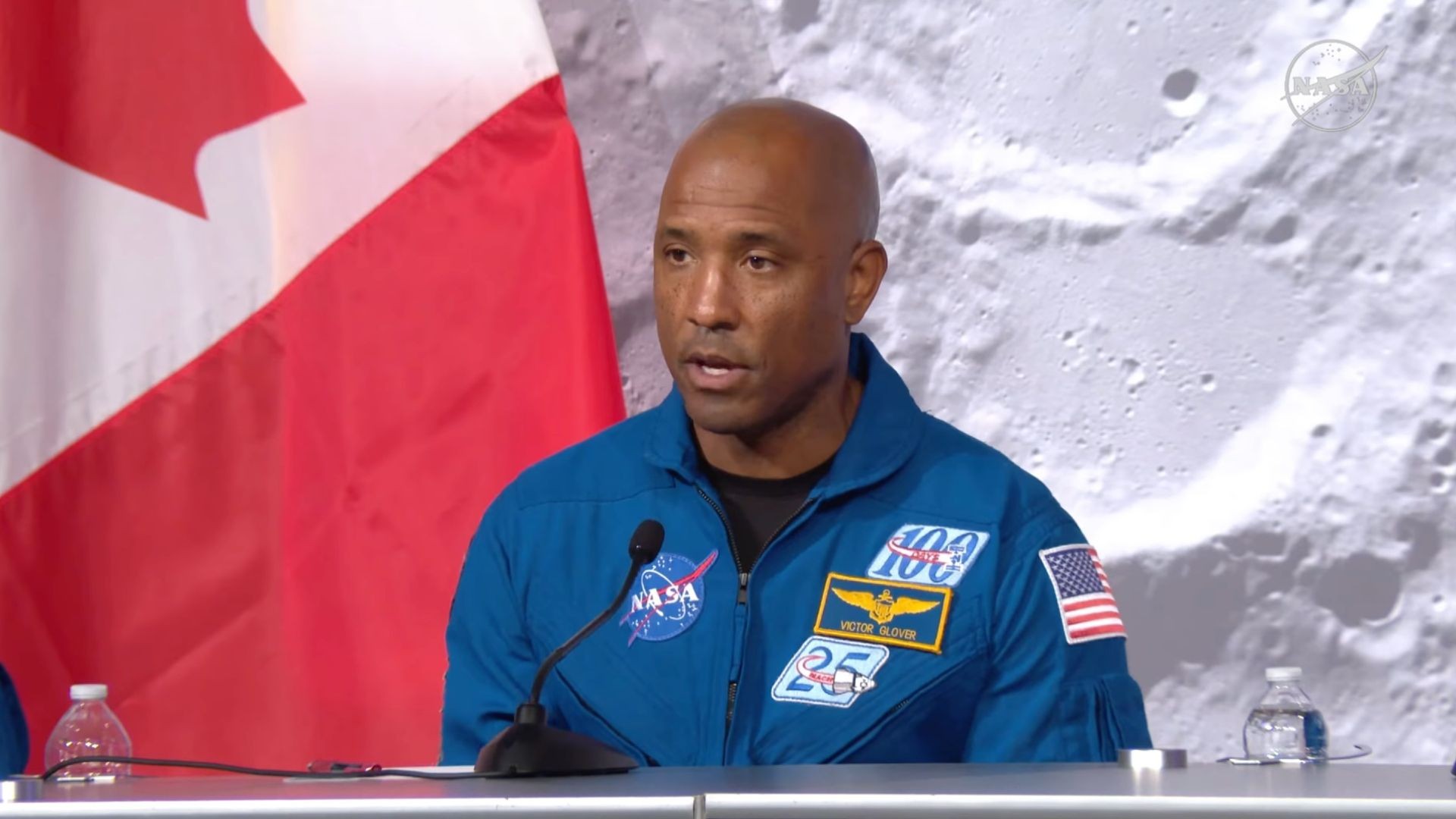
NASA astronaut Victor Glover emphasizes that the upcoming Artemis 2 mission isn’t just about breaking records, but about reaching and representing all people – including those who don’t typically follow space exploration. Scheduled for launch no earlier than April, Artemis 2 will carry Glover to become the first Black person to venture beyond low Earth orbit (LEO), along with commander Reid Wiseman, Christina Koch (the first woman to leave LEO), and Canadian astronaut Jeremy Hansen (the first non-American to do so).
Beyond Milestones: Unity in Exploration
Glover deliberately downplays the historical significance of his own role, stating his focus is on safe execution and broader outreach. The crew’s 10-day lunar flyby aboard the Orion spacecraft is designed to test critical systems before Artemis 3 and Artemis 4 aim for crewed lunar landings by 2028. However, the mission’s deeper purpose extends beyond technical readiness.
As Glover explains, the team aims for unity in a divided world, recognizing that success requires collaboration, not just individual achievement. He stresses that friction within the crew is inevitable but manageable, echoing Colin Powell’s advice that “a great leader is a great simplifier.” The mission’s real work happens in simulations and behind-the-scenes problem-solving, building trust and resilience in ways the public doesn’t see.
Remembering the Human Cost of Progress
Glover acknowledges the historical context of space exploration, recalling the protests surrounding the Apollo 11 launch led by Ralph Abernathy after Martin Luther King’s assassination. The protests highlighted that progress doesn’t benefit everyone equally. NASA administrator Thomas Paine eventually spoke with protesters, and they ultimately prayed for the astronauts’ safety—a reminder that human connection can bridge divides even in moments of social unrest.
Glover listens to Gil Scott-Heron’s “Whitey on the Moon” every Monday as a deliberate reminder that while some celebrate space exploration, others struggle with basic needs. He notes that NASA must engage with all communities, not just those already enthusiastic about space travel. “We work for them, too,” he states, recognizing that true progress requires listening to and representing marginalized voices.
A Mission Beyond the Headlines
Artemis 2 is more than just another space mission; it’s a test of human collaboration, a recognition of historical inequities, and an attempt to make exploration inclusive. The crew’s success hinges on their ability to simplify complex challenges, build trust, and remember that progress must serve everyone, not just those who cheer from the sidelines.