


Tarık Akan does more than just act. He is in control. He has been the face of Turkish cinema for decades, turning every frame into a stunning performance. His filmography is a map of time, from rough dramas to crowd-pleasing comedies. Fans are still looking for Tarık Akan’s best movies to understand why he is still a legend. Here are the 20 movies that defined his career as crowd favorites.
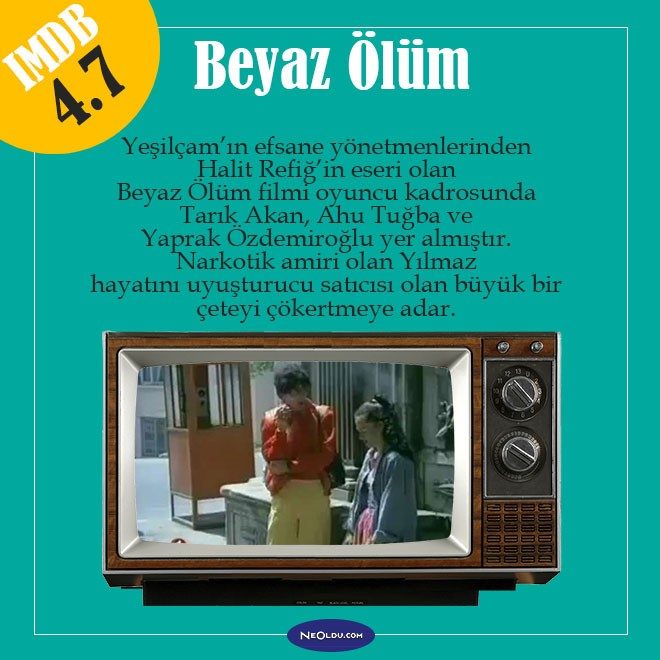
20. Beyaz Ölüm (1983)
Internet database: 4.7
It started on the way. Or maybe, seen through modern eyes, it’s just a feeling. There’s a reason why this 1983 action film ranks at the bottom of the list. The plot is standard. Survival, revenge, common tropes. Akan is a tough guy by nature. He brings his signature intensity even if the script isn’t worth it. But given its 4.7 rating, it’s easy to see why casual viewers would skip this show. This is a relic from that era. Rough, yes. But it was forgotten in the grand scheme of his work.
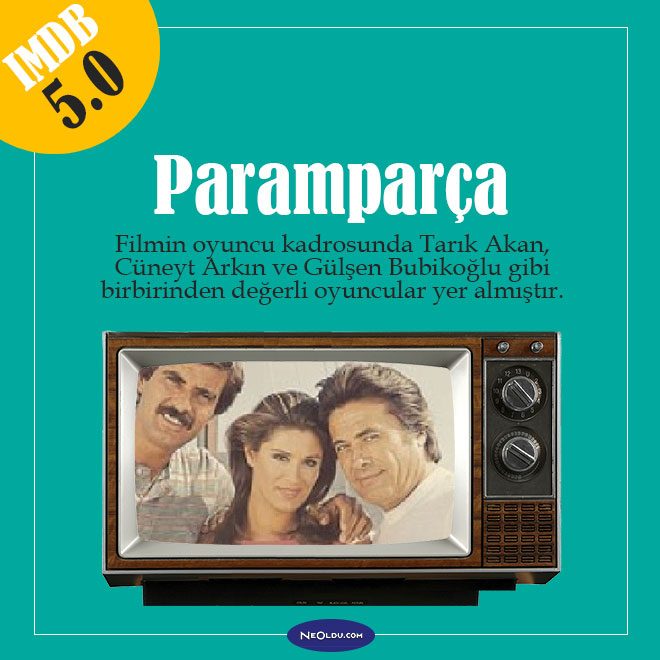
19.Paramparça (1985)
Internet Movie Database: 5.0
Things are moving along here little by little. “Paramparça” is translated as “broken” or “fragment”. The title is perfect. This story is about broken lives and broken relationships. Akan’s performance is solid if not shocking. A rating of 5.0 means there are no problems. Not very good. It’s not terrible. It’s there. Like many Yeşilçam films of the mid-1980s, the film relies heavily on melodrama rather than narrative. Watch for Akan. Just be patient.
18. Alev Alev (1984)
Internet Movie Database: 5.9
“Burning” is an apt name for the movie that became a hit. A change in tone is indicated as the grade approaches 6.0. The chemistry here is obvious. The stakes feel higher. Akan plays characters that demand more emotional territory than violence. This is a drama that demands to look into his eyes, not just his actions. This was the midpoint of his career where he transitioned from a pure action hero to a nuanced character actor. This movie captures the excitement.
17. Bir Avuç Cennet (1985)
Internet Movie Database: 6.5
“A handful of heaven.” A poetic title that reflects the harsh reality. The rating rose to 6.5. Why? Because the story works. This is a drama about hope in a hopeless place. Akan to play a man who tries to protect his dignity even if the world takes it away from him. The supporting characters are also very supportive. The pace is tighter than previous works. You can feel the director trying to elevate the material. Most of the time they succeeded. It is watchable. It’s fascinating.
16. Feryat (1972)
Internet Movie Database: 6.6
“I’m screaming.” Early Akan. raw. Unpolished. But it’s electric. The 1972 film marked his emergence as a major force to be reckoned with. Grade: 6.

Halit Refiğ’s Beyaz Ölüm brings together Tarık Akan, Ahu Tuğba and Yaprak Özdemiroğlu in dark look at the fight against drugs. The plot revolves around Narcotics Chief Yılmaz, who is determined to break up a huge drug syndicate. Yılmaz forms an uneasy alliance with singer Meral to track down the elusive gang leader Hacı. The result is a thrilling ride that should satisfy fans of the classic Turkish film Polisiye.
- Genre: Crime/Thriller
- Director: Halit Refiğ
- Actors: Tarık Akan, Ahu Tuğba, Yaprak Özdemiroğlu
Paramparça (1985) – IMDb (English): 5.0
Alev Alev (1984)
Cemil and Tayfun’s chemistry is so strong that their relationship can usually withstand anything. Until Tayfun leaves the company CEO’s daughter, Çiğdem, and lives with a friend. This seems like a solid plan to start over. Then Cemil’s new girlfriend Ümran shows up and decides to change things. Surprisingly. Like chaotic.
Director Halit Refiğ, who is keen on melodrama, brings this story to life. He was able to cast two of Turkey’s most famous action stars, Tarık Akan and Cüneyt Arkın, in the same film as Gülşen Bubikoğlu. This isn’t just drama. It’s a gathering of heavyweights.
- Genre: Drama
- ** Director:** Harit Refig
- Actors: Tarık Akan, Cüneyt Arkın, Gülşen Bubikoğlu
3. Alev Alev (1984) – IMDb: 5.9
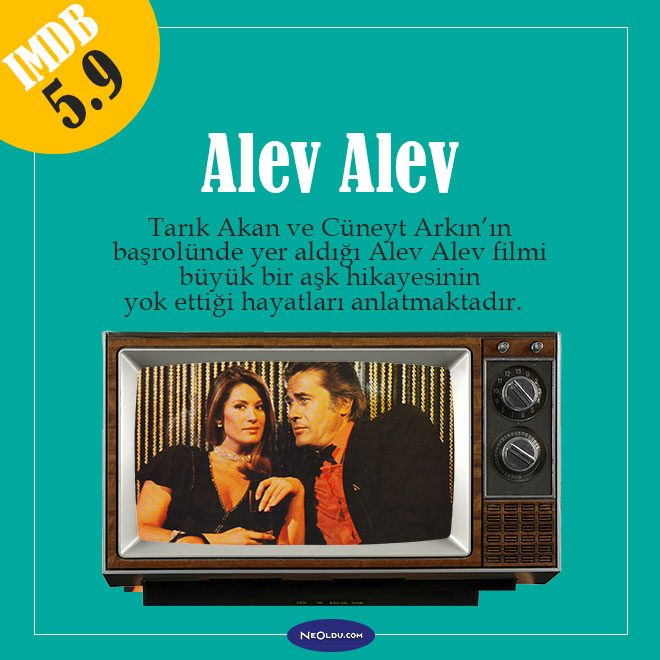
It’s a classic setup, really. Two best friends. One woman. The inevitable crash and burn. In Alev Alev, Cüneyt Arkın and Tarık Akan share the screen as rivals in love, playing against a backdrop of moral decay and emotional chaos. They are friends who both fall for the same girl, and the fallout is anything but pretty.
On paper, Murat (Akan) has it good. He’s a ship captain. He’s with Alev (Gülşen Bubikoğlu). They’re happy. Or so it seems. Reality has other plans. Money is tight. Desperation sets in. Murat takes a job with a wealthy family, hoping to straighten out his finances. Instead, he finds himself tangled in a web of deceit. Betrayal isn’t just a theme here; it’s the plot engine.
Halit Refiğ directed the film, bringing a sharp, dramatic eye to the proceedings. The scenes don’t just play out; they simmer. The tension between the two leads is palpable, grounded in the dram and duygu (drama and emotion) that defines the era’s Turkish cinema. It’s messy. It’s human. It’s compelling.
The Cast and Crew Behind Alev Alev
The chemistry—or lack thereof—between the leads drives the narrative.
- Yönetmen: Halit Refiğ
- Oyuncular: Tarık Akan, Gülşen Bubikoğlu, Cüneyt Arkın
- Tür: Dram, Duygusal
Refiğ knew how to frame a confrontation. The camera lingers on the awkward silences. It catches the hesitation before a lie. It’s not just about who gets the girl; it’s about what the pursuit costs them.
4. Bir Avuç Cennet (1985) – IMDb: 6.5
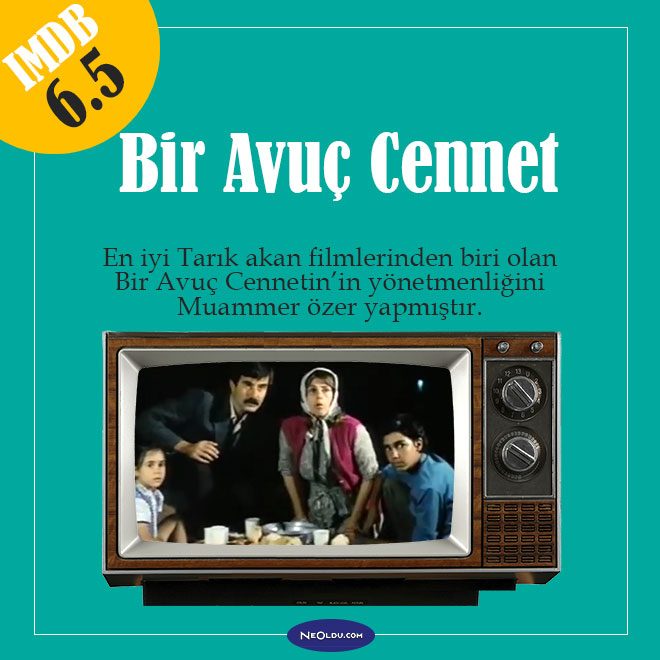
The struggle of a family trying to survive in a city is the core of Bir Avuç Cennet. It mirrors the harsh social conditions of the 1980s. Kamil moves with his wife and kids. They want a better life. Big city promises. But reality hits hard. A friend named Selim dies. Plans fall apart. The story gets complicated.
Director Muammer Özer handles the film. He knows how to show the weight of poverty. The cast carries the emotional load. Tarık Akan plays Kamil. He is intense. Hale Soygazi is his wife. You feel her exhaustion. Yavuzer Çetinkaya adds depth to the supporting role. Their chemistry feels real. Not staged. Just survival.
The genre is drama. Pure and simple. No gimmicks. Just people fighting to stay afloat. The 1980s backdrop isn’t just scenery. It is an antagonist. The city eats the weak. Kamil thinks he can outsmart it. He can’t. Selim’s death proves it. Death doesn’t care about your five-year plan.
“The city doesn’t care about your dreams. It only cares if you can pay rent.”
This film asks a simple question. How much can one family lose before they break? The answer is written in the faces of the actors. In the cramped apartments. In the silent dinners. It is a portrait of resilience. And failure. Both happening at the same time.
If you are looking for 1980s Turkish social drama films, this title comes up. It shows the cost of urban migration. Real stories. Real pain. Tarık Akan is at his peak here. Watch his eyes. They tell the whole story.
5. Feryat (1972) – IMDb: 6.6
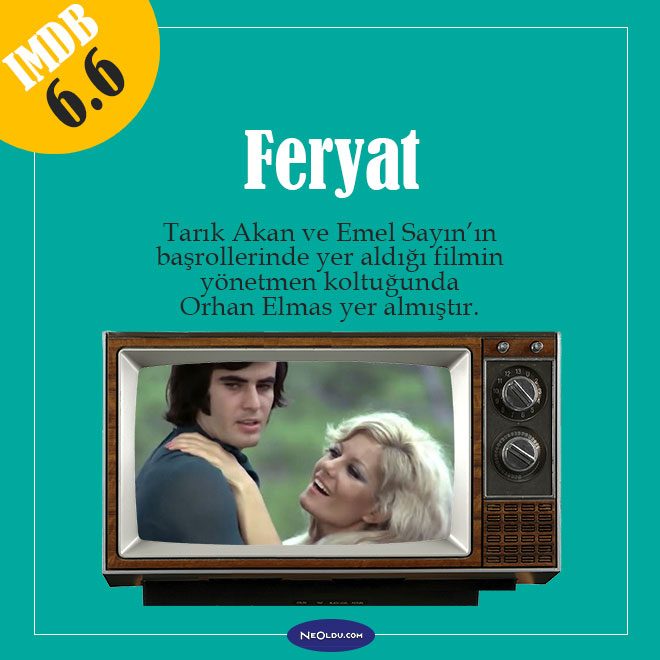
Feride’s story took a dramatic turn after being thrown out of his home. She survives by singing in the streets and wanders Anatolia until her path crosses with Ferdi. Keeping her true identity hidden her true identity, the secrecy surrounding her background sets off a series of dramatic events that complicate her new relationship.
Felyat’s emotional core
Feryat is an example of a Turkish romantic drama. The film directed by Orhan Elmas is strongly based on the chemistry between the main characters. Tarık Akan and Emel Sayin performances are grounded in powerful emotions, creating scenes that have become classics for fans of their time. The film’s drama comes more from the intensity of the characters’ internal conflicts than from the plot twists.
Cast and crew details
For those who study the making of these 1976 films, the key figures remain consistent throughout the film’s historical record.
- Director: Orhan Elmas
- Starring: Tarık Akan, Emel Sayin
- Support role: Memduh Ün
Öyle Olsun (1976) Overview
Also published in 1976, “Öyle Olsun” received a slightly different reception from the public with an IMDb rating of 6.7. Although Feryat is often cited as a dramatic zenith, Öyle Olsun offers a different taste of the same film era. Comparing the works makes it clear why 1976 was a pivotal year for Turkish romantic plays. The cast, including Memduh Ün, demonstrates a tight production cycle, with the talent being re-used for several high-profile projects.
The differences between these films are often tonal. Feryat aims to explore the tragedy of losing one’s identity, while Öyle Olsun deals with complex relationships in a slightly more grounded way. However, both share the same production DNA. They capture a certain moment in Turkish cinema where emotional expression came to the fore, directed by stars who could move the film through their charisma alone.
Why are these movies still being discussed? This is not just nostalgia. This is how the actors, especially Akan, handle the raw emotion required from a script that doesn’t rely on special effects. The drama is in the faces, in the dialogue, in the silence between the lines.
If you’re looking for which movie to watch first, Feryat usually gets more attention because of its iconic status. However, Öyle Olsun provides a complete picture of the results of this era. 1976 wasn’t all hits; quantity and variation within a narrow genre are important. These films define what people mean when they talk about the golden age of Turkish melodrama.
The legacy of these works is preserved because they are easily accessible. You don’t need to understand cultural nuances to feel conflicted. A woman on the run. A singer who falls in love with a secret. These are universal hooks. Anatolian features, local currency, local dialects, etc. add texture, but the people are at the heart of it.
Memduh Ün’s role in these works is often overlooked by ordinary viewers, but his presence supports the story.
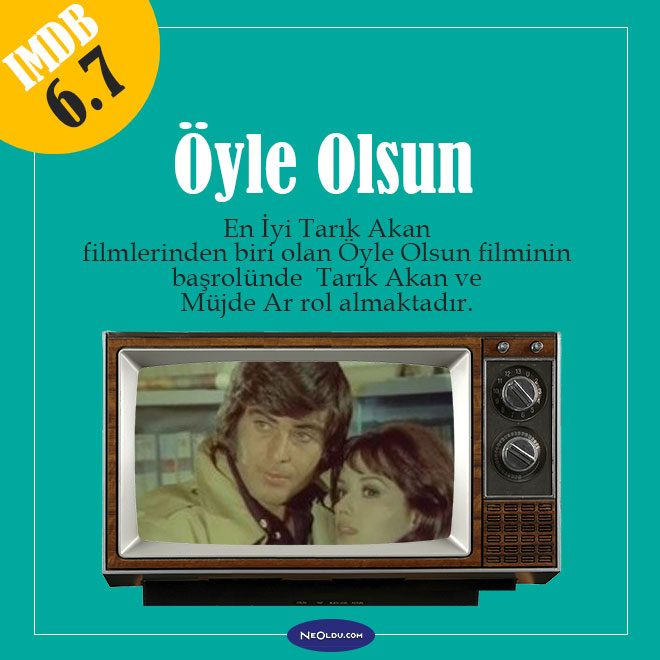
Ferit acted recklessly and unfounded rumors threatened the survival of his newspaper. His target is Alev, the daughter of a wealthy businessman. He plans to trap her and give her the scoop. Instead, he fell in love with her.
This plot led to the film “Öyle Olsun”, which defined the spirit of Yeşilçam’s romantic comedy. The chemistry between Tarık Akan and Müjde Ar is exciting. This film belongs to the pantheon of the most interesting love stories in Turkish cinema. The director of the previous films on this list, Orhan Aksoy, brings dry humor and heartfelt emotions to the big screen. The result is a film that captivates audiences with its comedic timing and heartwarming moments.
- Genre: Comedy, Romance
- ** Director:** Orhan Aksoy
- Actors: Tarık Akan, Müjde Ar, Hulusi Kentmen
Why Sev Kardeşim (1972) still resonates with people
The IMDb rating of Sev Kardeşim is 6.7. While this score may not seem high by modern standards of success, it reflects a different era. In the early 1970s, Turkish audiences flocked to the theaters in search of exactly this relaxing sense of escapism. The film features the same director Oyl Olsen. Aksoy knows how to balance irony and sincerity.
The question is not why this film is important today. That’s why more people don’t discuss its influence on the genre. Öyle Olsun presents the raw chemistry of the main characters, while Sev Kardeşim offers a more structured story. This proves that “Yeşilçam” is not just a melodrama. It can be witty, self-aware and funny.
For lovers of classic Turkish cinema, it is important to understand the background of Aksoy’s work. He not only directs the plot; He sets the mood. Even after watching these movies decades later, the feeling is still vivid. The series is relatively simple. Conversations become more direct. But relationships are just as urgent.
You might be wondering which movie to start with. Öyle Olsun and Sev Kardeşim both offer access to the same world. One is turning into a romantic trap. Another title uses the word “brothers”, suggesting a complicated relationship. Both relied on the star power of Akan and Ar. Both men were successful because they didn’t take themselves too seriously.
The legacy of these films lies in their ability to entertain without apology. They are not trying to win any awards. They try to make you laugh and then change your mood. This distinction is important. This is what separates Yeşilçam’s romantic comedy from the better works that followed it.
The way Tarık Akan reacts to these situations is a special treat. He plays the role of a charming rogue with ease. By the way, Ar matches him step for step. Their energy set a standard in Turkish cinema that few actors have matched since.
If you’re looking for an archive of old movies, look no further than these two titles. The relationship between the two is more than just director and actor, it’s purpose. The purpose is simple. Tell me a good story. Let’s have fun. Make it hurt a bit
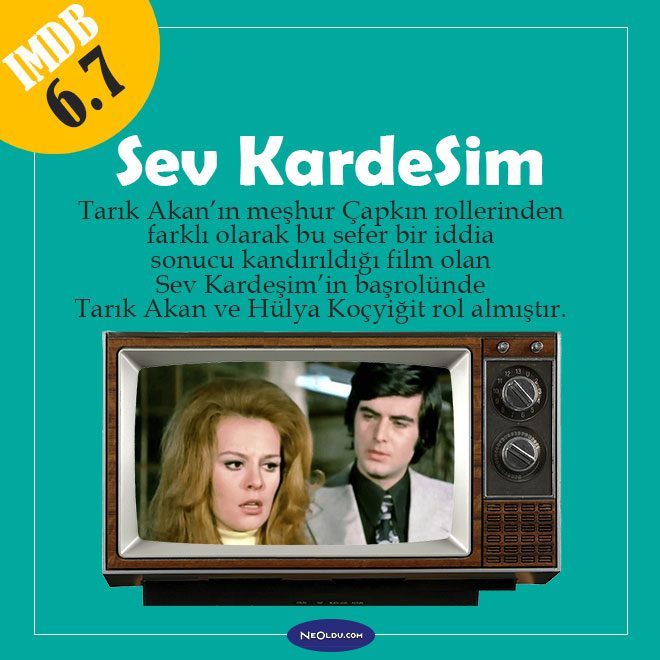
Ferit is not just a rich kid with nothing to do. He is the son of the factory owner. He tried to make his relationship with Alev as easy as possible. bet? perhaps. Friendly competition? perhaps. The line between playing the game and actually feeling something can blur quickly. Before they knew it, Ferit and Alev were hooked.
Ertem Eğilmez directs this chaotic and sincere mayhem in his usual style. The result is a combination of humor and heartfelt romance. Tarık Akan and Hülya Koçyiğit anchor the film. Their chemistry is undeniable. Münir Özkul adds his signature comedic weight to the ensemble. This is more than just a romantic comedy. This is the epitome of the golden age of Turkish cinema.
Why Pehlivan stands out
IMDb gave this 1984 release a 6.8 rating. That is decent for a period piece. This story is about a wrestler. This time it’s not the factory owner’s son. However, the themes overlap. honor. tradition. Love in a changing world. A professional wrestling ring is a true battlefield for the soul.
The cast delivers.
– Tarık Akan brings intensity.
– Hülya Koçyiğit offers warmth.
– Münir Özkul provides comic relief.
This is a movie with a good balance of laughs and tears. You laugh at funny situations. And you realize that they reflect real life. Ertem Eğilmez knew how to weave social commentary into entertainment. This movie is no exception.
The Legacy of the Film
Years later, people still talk about it. Why? Because it feels so real. The dialogue snaps. The settings feel lived-in. Not polished to death. It has grit. And the heart.
If you’re looking for an era-defining movie, this is it. It captures the spirit of 1980s Turkey. The music. The fashion. The way people argued and loved. This is more than just a plot. It is a mood.
So, do you watch it for the wrestling? Or is it for romance? Probably both. The story keeps you guessing. Until the last frame.
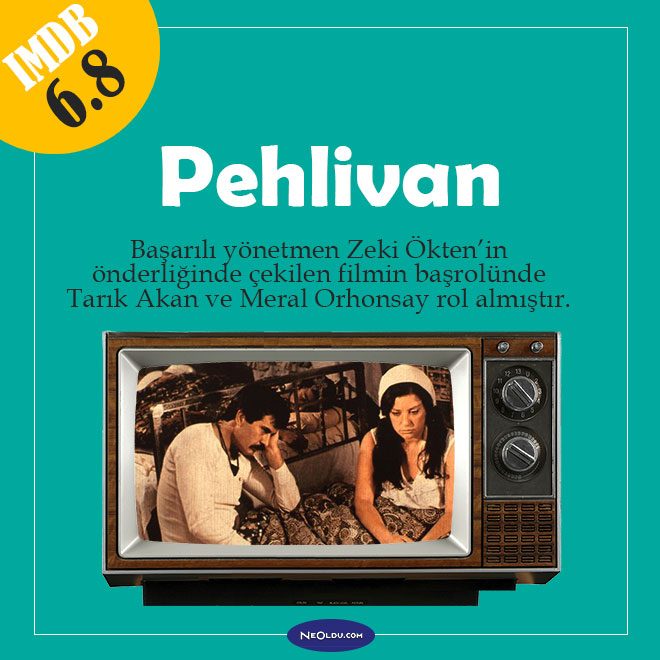
The wrestling circuit is more than just a test of physical strength. This is a moral minefield in Pehlivan, directed by the ever-vigilant Zeki Ökten. This story is about Bilal, a man who turned to ancient oil wrestling to support his family. It didn’t start out as a noble aspiration. This is survival.
what is his goal? The prestigious Kırkpınar tournament. But winning means surviving a system riddled with fraud. Not only did Bilal face tough opponents in the ring, he also faced corruption behind the scenes. This is a classic battle between honesty and necessity.
Featuring the wonderful performances of Tarık Akan and Meral Orhonsay and the direction of Yeşilçam, the film resonates with drama enthusiasts. Erol Günaydın and Yavuzer Çetinkaya together add complexity to the story. This is more than just entertainment. It’s a social commentary full of sweat and nerves.
For those delving into the history of Turkish cinema, it is very important to understand how Actors like Akan portrayed working class heroes. The film remains an excellent example of 1970s Turkish drama that combined personal interest with wider social criticism.
9. Delisin (1975) – IMDb: 6.9
Moving from the gritty realism of the wrestling ring to something a little different in tone, we arrive at Delisin. It was released in 1975 and has an IMDb rating of 6.9. Although the original story ends here, Turkish films of this period are known for their keen social observations and unforgettable characters. If you’re looking for the best Turkish movies of the 1970s, this era has plenty of stories that reflect the changing times. The shift from survival drama to more nuanced character work marked a major change in Yeşilçam’s work over the past decade. Fans of Tarık Akan often refer to these years as his peak years. At this time, he had a good balance between public appeal and artistic depth. This list reveals how Turkish filmmakers use popular genres to solve real-life problems.
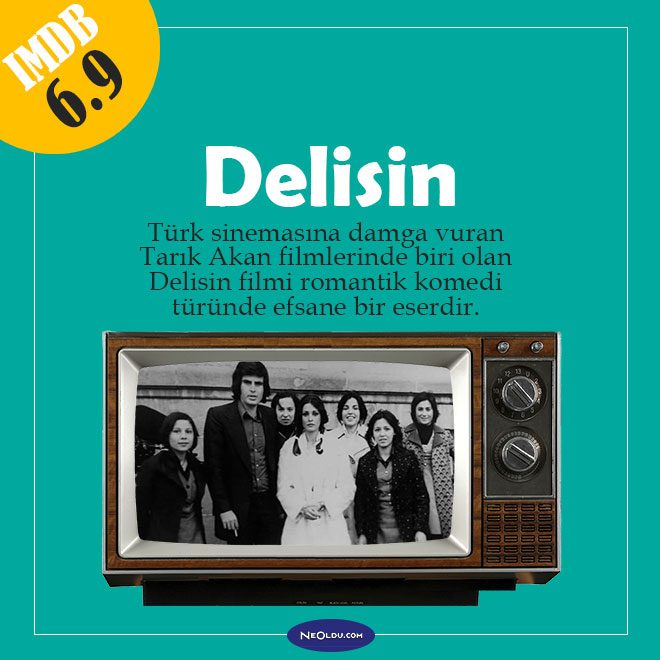
Delisin (1983) – IMDb: 7.0
Ferit travels to a small town to uncover a family inheritance locked away for decades. There, he falls for Alev, his uncle’s daughter. But the rest of the family, hungry for the remaining wealth, make things complicated.
Delisin is a romantic comedy that pairs Yeşilçam legends Tarık Akan and Necla Nazır under the direction of Ergin Örbey. It’s a lighthearted story that captures the charm of old Turkish cinema. If you love Yeşilçam nostalgia, this film is a must-watch.
- Genre: Romantic Comedy
- Director: Ergin Örbey
- Cast: Tarık Akan, Necla Nazır, Adile Naşit
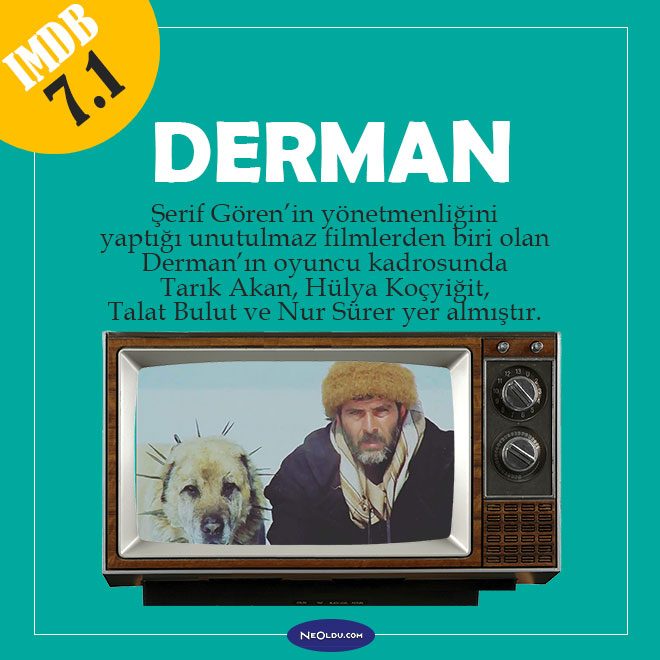
10. Derman (1983) – IMDb: 7.1
Oh Olsun (1973) – IMDb: 7.2
Released in 1973, Oh Olsun has a high score of 7.2 on IMDb, indicating that Turkish films were above average at the time. It sits comfortably above the noise, showing that the film is still resonating with audiences after its initial release.
The drama, directed by Şerif Gören, known for his gritty and realistic approach, dives into the complexity of the countryside. The story revolves around the fugitive Şehmuz and the midwife assigned to his village. Their romance isn’t just a subplot. It is an emotional anchor for a story defined by harsh circumstances.
The entire cast brings this world to life. The performances of Tarık Akan and Hülya Koçyğit balance tenderness with the tenacity of the situation. Talat Bulut and Nur Sürer add depth to the secondary characters and base the love story on the unforgiving landscape of Eastern Anatolia.
The film remains an attractive option for viewers looking for a classic Turkish drama that prioritizes character over drama. The film captures a certain moment in film history where personal stories are deeply intertwined with social structures.
- Genre: Drama
- ** Directed by:** Şerif Gören
- Cast: Sırrı Elitaş, Bedri Uğur, Kamran Usluer, Tarık Akan
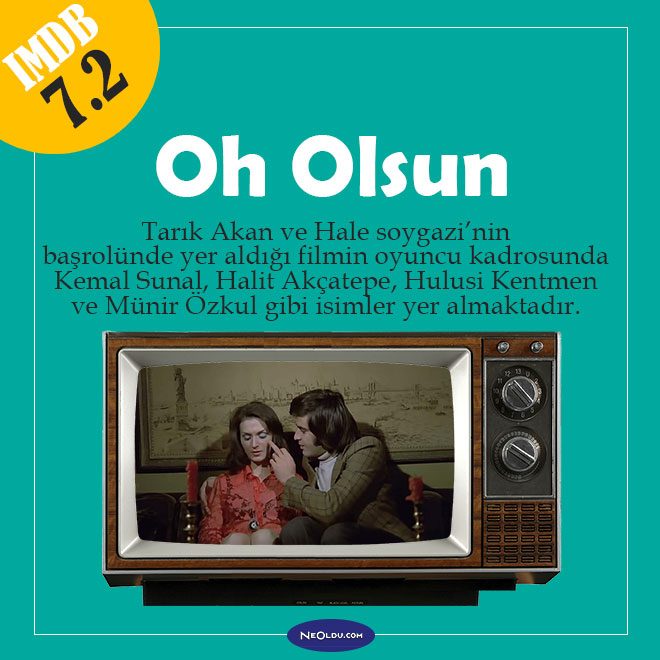
The story of Oh Olsun centers on three charming brothers forced to work in factories, navigating a landscape of class divides and romantic entanglements. It stands as one of the more successful romantic comedies starring Tarık Akan and Hale Soygazi. At the heart of the plot is Ferit, who falls for Alev, the foreman’s daughter. Their romance isn’t simple. Class differences loom large. Family elders throw up obstacles, testing the strength of their bond.
Directed by Ertem Eğilmez, the film manages to balance laughter with genuine sentiment. It’s a delicate tightrope walk.
- Genre: Drama, Comedy
- Director: Ertem Eğilmez
- Cast: Tarık Akan, Hale Soygazi, Hulusi Kentmen
12. Tatlı Dillim (1972) – IMDb: 7.3
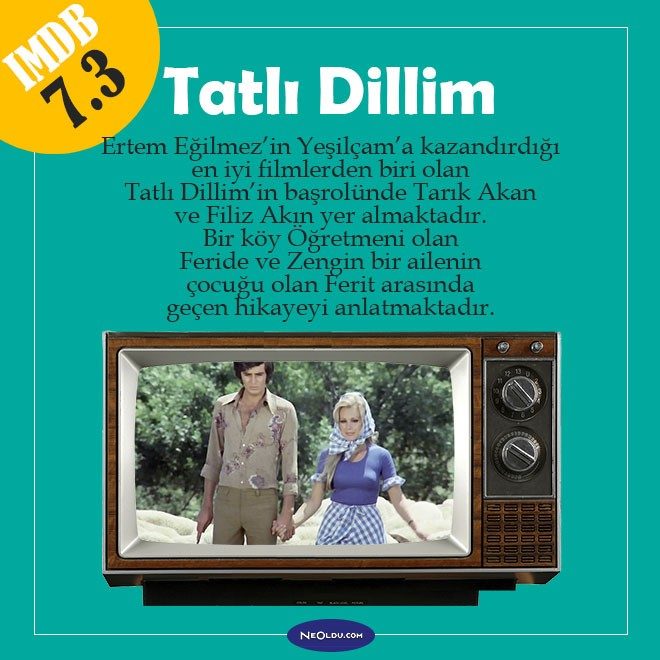
Ferit’s story in Sweet Temptress is more than just a country romance. The story begins when Ferit, played by Tarık Akan, leads the basketball team to a training camp in the countryside. This is a classic setup. There he meets Ferideee, played by the brilliant Filiz Akın. She’s a village teacher. He is a city dweller. The attraction between the two is immediate, real and chaotic.
When Ferit returned to Istanbul, the city tried to swallow him whole. old ways. old friends. old life. But Feridee didn’t think so. She chases him. He just didn’t wait. He aggressively follows her across the cultural divide in 1970s Turkey. The main director Ertem Eğilmez balanced heavy emotions with sharp comedy. The result is a very vivid film. This is more than just a love story. This is a work that describes a society in transition.
“Harmanraya movie, duyg ve mizakh, yesilcham in nturmaz aishrelinde biridil.”
Sweet Temptress (1970) remains one of the most iconic films in the history of Turkish cinema. It’s a genre-defining blend of drama and comedy. The film, which also stars Metin Akpinar, captures Yesilçam’s unique atmosphere, which is still longed for by today’s audiences.
But the momentum doesn’t stop there. Over time, the list changes from romantic and whimsical to darker and more realistic.
Maden (1978)
By the late 1970s, Turkish films had become rougher. Released in 1978 with an IMDb rating of 7.5, Maden marked a shift towards more serious and socially conscious storytelling. Where “Sweet Temptress” plays in the realm of heart and humor, “Maden” dives into the ground, literally and figuratively.
The title itself means “mine” or “mine” and refers to the industrial and class struggles that dominate the era of this film. This is in stark contrast to the rural schools of Feridee and Ferit. The environment here can be restrictive, stressful and full of financial pressures. This is Yesilcham, reflecting the real concerns of the late 1970s.
“Sweet Temptress” is remembered for its chemistry, Maden is recalled for its substance. This is a film that asks harder questions. Why do people stay? What are they willing to sacrifice to survive? The 7.5 rating on IMDb shows that there is a loyal fan base that appreciates Yeşilçam’s dark direction during his last golden era.
The transition from the bright, sunny village of the 1970s to the dark depths of Maden is a pivotal moment. It’s not just entertainment anymore. It’s about survival. It’s a theme that resonates long after the end credits have rolled.
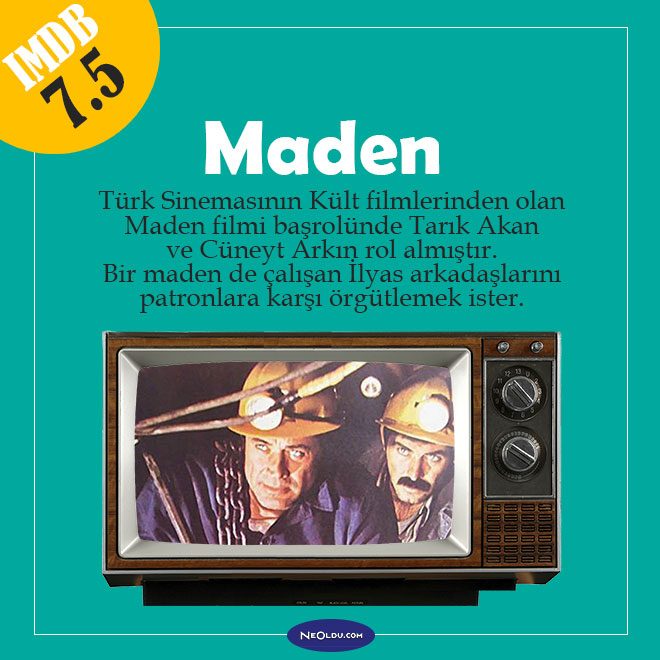
The wild world of Maden brings together three giants of Turkish cinema: Tarık Akan, Cüneyt Arkın and the legendary İlyas Yalcin. This isn’t just drama. This tense film depicts the dangerous reality faced by miners who organize against harsh working conditions. The story hinges on the transition from indifference to action. Nurettin hesitates and retreats at first, but a serious accident claims a life and he is forced to fight.
The film is directed by Yavuz Ozkan, known for his strong social messages in the Yeşilçam tradition. Although some critics found the pacing uneven, the performances supported the story well. Cüneyt Arkın and Tarık Akan share the screen and their chemistry moves the emotional core. Hale Soygazi complements the main cast and adds depth to supporting characters that are often overlooked when talking about male-dominated action films.
This movie has a rating of 7.6 on IMDb. For fans of 1970s Turkish drama, it gives a primitive perspective on working life, but feels very modern. The visual style is unique and suits the harsh environment of the mine. Here you can follow the evolution of Yavuz Özkan’s directing style, moving from pure action to character-driven conflict.
It raises questions about unity. Why do people wait for tragedy to happen? This film does not shy away from that answer. This is a piece of history that remains in the collective memory of Turkish film lovers. When exploring the depths of Yeşilçam, this work can be placed alongside the works of Atıf Yılmaz and Yilmaz Güney, but retains a unique and quiet strength. The ending doesn’t tie everything together. It makes you think about the costs of change.
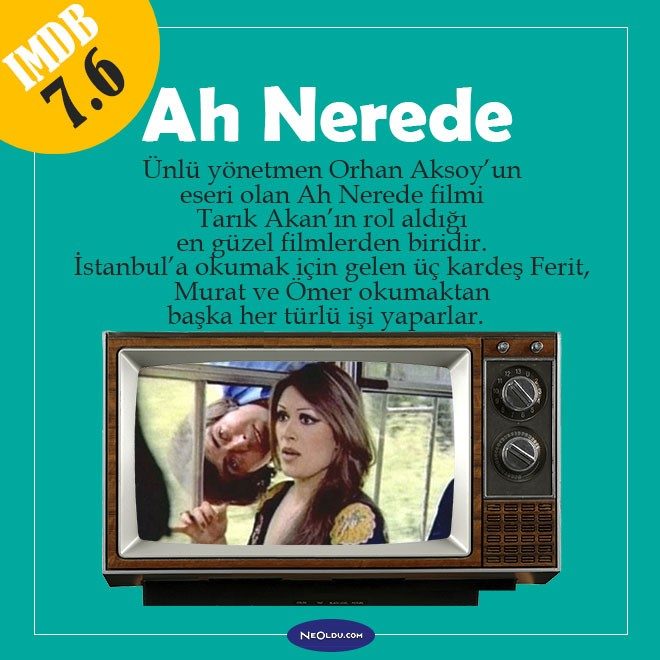
Ah Nerede (1973) – IMDb: 7.8
University life should be centered around textbooks. For Ferit, Murat and Omer, it’s all about charm. The three considered the campus a hunting ground and neglected their lectures. Everything changed the moment Ferit met Zehra. Suddenly the game stopped. When true love walks in the door, everything is no longer a joke. But love is a tricky thing. Old flames did not take the news well. Their revenge plot throws this new relationship into trouble, turning a sweet romance into chaos.
The film directed by Orhan Aksoy is the flagship of Yeşilçam cinema. This is more than just a romantic comedy. This is a cultural probe for anyone studying classic Turkish romantic films. The chemistry between Tarık Akan and Gülşen Bubikoğlu carries the weight of the story. The scenes they performed defined an era of Turkish cinema. Add Adile Naşit to the mix and the mix of comedy and raw emotion continues to resonate.
- Genre: Comedy, emotional drama
- ** Director:** Orhan Aksoy
- Actors: Tarık Akan, Gülşen Bubikoğlu, Adile Naşit
Mavi Boncuk (1974) – IMDb: 7.9
If you are looking for a Turkish drama movie with high ratings on IMDb, this is the movie for you. It was released in 1974 and has a rating of 7.9. It is not dependent on the glamor of college life or playful revenge. Instead, it delves into people’s struggles. The name itself, Mavi Boncuk (Blue Bead), suggests protection from the evil eye. In the story, it symbolizes hope in a harsh world.
The film describes the difficult everyday life in Turkey in the 1970s. It eschews the gloss of some of its contemporaries. The performances of the actors are not staged, but they feel as if they were there. For fans of Historical Turkish Cinema this social commentary is poignant. It was not preachy and reflected the economic and social pressures of the time. The story unfolds with quiet intensity. We see characters struggle with poverty and dignity. This contrasts with the ease of Ah Nerede. But both films offer a window into a different Turkey. People rejoice in chaos. Some seek truth in silence.
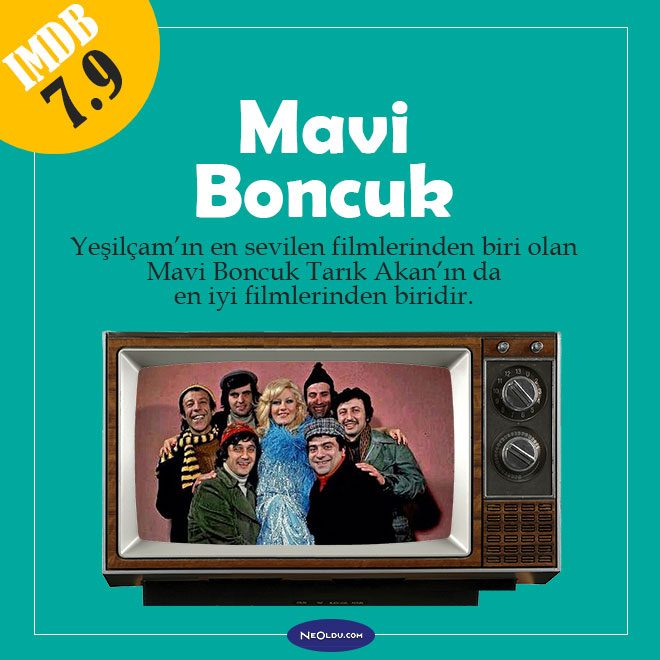
It starts with debt. A group of friends can’t pay their bill at the “casino” and their punishment is swift and physical. In their desperate revenge, they decided to kidnap singer Emel Sayin. This is a confusing and illogical move, but that’s the point. As the story progresses, the kidnapping turns from a crime to more of a chaotic family reunion. The tension breaks. Laughter replaced anger. Mavi Boncuk strikes a balance between slapstick and sincerity, building an era-defining cast. The film is directed by the legendary Ertem Eğilmez and stars Tarık Akan, Metin Akpınar and Zeki Alasya. This isn’t just a comedy. This is a cultural artifact.
The actors who defined the genre
It is impossible to talk about Yesilçam classics without mentioning this trio. Their chemistry is not made for the cameras. It’s like you’re living inside it. Tarık Akan brings raw charm that sets the stage for the absurd. Metin Akpınar and Zeki Alasya provide the comic timing that keeps the momentum going. When they interact with Emel Sayın, the dynamic changes. She is more than just a plot device. She becomes a part of their lives. The film switches between broad humor and quiet emotional moments without losing ground.
Its position in Turkish cinema
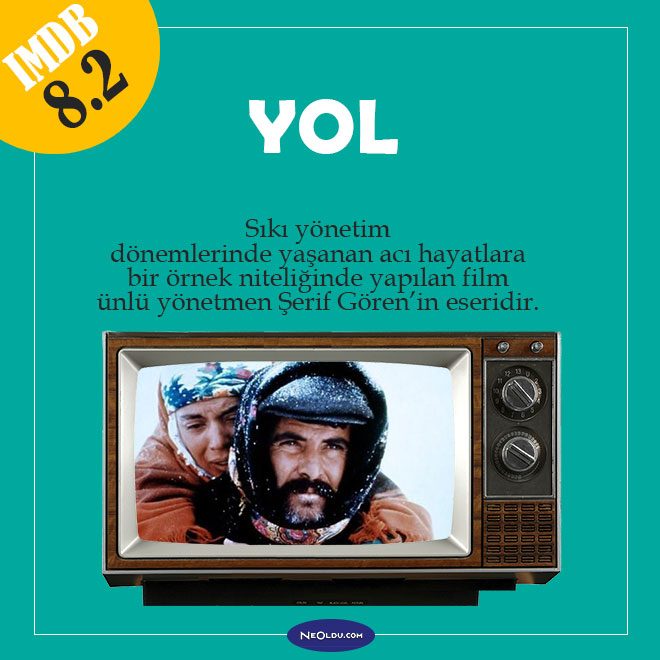
Mavi Boncuk has established itself as one of the pillars of Turkish film history. This is a combination of genres mastered by Ertem Eğilmez, a comedy full of emotional weight. The production values were high at the time, but what really stood out was the script and the acting. Decades later, the joke has gone viral. The feelings feel real. If you’re looking for a movie that captures a time but is generally fun, this is it. The current film Yol (1982) has a rating of 8.2 on IMDb, which underlines the top quality of the film at that time. Mavi Boncuk may not get the exact score, but it has the same DNA of excellence.
Why watch now?
This period is often overlooked by modern audiences. They are chasing blockbusters with bigger budgets. But Mavi Boncuk offers something cheaper and more powerful: the real thing. gazino The scene is more than just a scene. This is a microcosm of the society in which the characters live. The kidnapping plot isn’t just a conflict, it’s also a way to make connections. We watch friends realize they’ve gone too far and then realize there’s no going back. The solution remained unclear. It’s very messy. This is humane. That’s why I endure it.
“The best comedies are those that make you cry first and then laugh, or those that make you cry first and then laugh.”
There is nothing preachy about this movie. It seems. The film depicts a group of men who thought they were strong until they were faced with weakness. It depicts a woman who finds agency despite her limitations. This is delicate work. Ertem Eğilmez knows how to bring Actors to life. Tarık Akan didn’t work too much. Metin Akpınar did not force jokes. **Zeki Alasya
The grim reality of #Turkish cinema: Why The Herd is still a masterpiece
Yilmaz Güney’s script and Şerif Gören’s direction come together in the 1979 drama Sürü (The Herd), one of the most harrowing works of Turkish cinema. Yol (1982) has often attracted international attention for its political impact, while Sürü is a visceral depiction of the harsh reality of life in Eastern Turkey. The film tells the story of Kurdish villagers who are forced to lead a large herd of sheep to a distant market, a journey that tests their physical limits and moral standards.
The theme of the story is the shepherd’s exhaustion and suffering. Led by a young shepherd played by Çetin Tekindor, the men face hunger, violence and the indifference of the outside world. The film does not shy away from grotesque or heartbreaking scenes and shows how poverty and tradition can crush people. This is a story of not only physical survival but also mental survival in harsh environments.
- Tür: Dram
- Yönetmen: Şerif Gören
- Oyuncular: Çetin Tekindor, Taner Taşkan, Halit Akçatepe
17. Sürü (1979) – IMDb: 8.3
What makes The Herd so powerful is its unwavering focus on the human condition. Unlike many dramas that rely on dialogue to convey emotion, this film uses silence and landscape. The snow-capped mountains and endless roads become characters in their own right, reflecting the isolation of the shepherd.
The performance is raw and naturalistic. Çetin Tekindor delivers a career-defining role, capturing the quiet desperation of a young man caught between tradition and change. The ensemble cast, including Taner Taşkan and Halit Akçatepe, adds complexity to the team’s dynamics and shows how desperation can turn friends against each other.
For lovers of international arthouse cinema, Sürü is a essential watch. The film shares the same thematic DNA as Yol**, written by Güney and directed by Gören, but focuses more on rural class struggles than the prison system. The film received acclaim and won a Silver Prize at the Moscow International Film Festival, drawing the world’s attention to the plight of the people of eastern Turkey.
Why is it still important? Because it exposes the cost of tradition. A shepherd’s journey is more than just moving sheep. it is a migration of people left behind by modernization. This film asks difficult question about the extent to which human suffering is tolerated in the name of cultural preservation.
The ending is not happy. This is realistic. Although I feel a sense of loss, I also have a deep respect for those who are still working hard. In the world of Turkish cinema, “The Herd” is still the benchmark of social realism. It’s uncomfortable to watch. But it is necessary.

Zeki Okten’s Sürü is less a film than a heavy, suffocating look at tradition. Tuncel Kurtiz plays Hamo, the patriarch of a nomadic family. His son Şivan (played by Tarık Akan) marries Berivan, a girl from a rival tribe. Marriage is not about love. This is a story about politics. Survival.
But something went wrong. Şivan cannot have children. In this world, it was a death sentence for his position. Tensions grow in the family when his wife, played by Melike Demirağ, gets into trouble. Of course this is a Yeşilçam classic, but don’t let the label fool you. This is no light drama. It’s emotionally brutal.
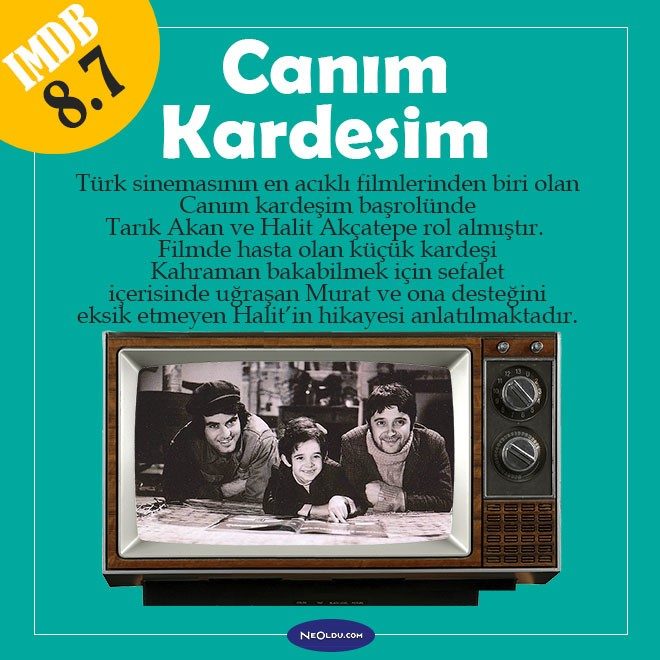
18. Canım Kardeşim (1973) – IMDb: 8.7
Next is Canım Kardeşim. Although the title translates to “Dear Brother”, the film portrays something darker about the bonds we must maintain. Released in 1973 and rated 8.7 on IMDb, the numbers don’t lie.
Why do we stay attached to people who have hurt us? The film asks this question, but offers no easy answers. This is a memorable drama.
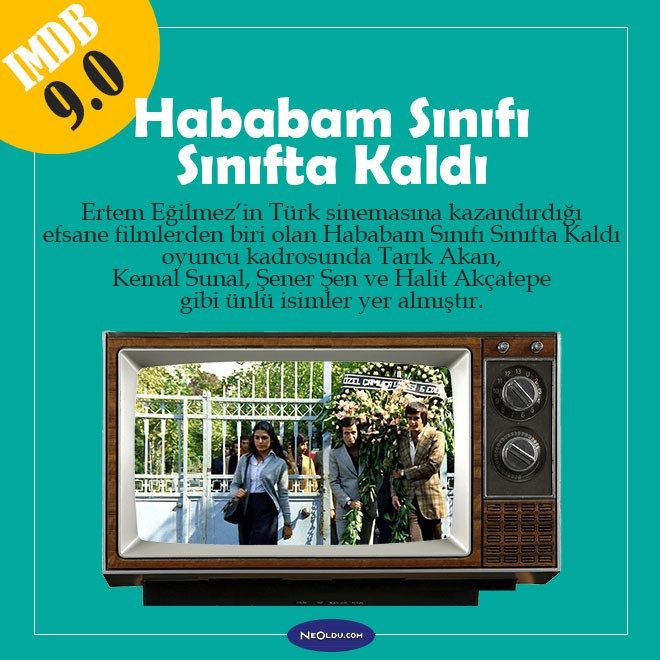
19. Hababam Sınıfı Sınıfta Kaldı (1976) – IMDb: 9.0
If you think you know Turkish comedy, think again. Hababam Sınıfı The series is more than just entertainment. It became a cultural touchstone. By 1976, Hababam Sınıfı Sınıfta Kaldı established the series as one of the highest-grossing and most popular comedies in Turkish film history.
The story begins with the infamous Class 9D. They are not just lazy; They are known for their ability to avoid exams and circumvent authority. As the new school year begins, students face serious situations that threaten to pull them back. stakes? They may not be able to graduate. A new substitute teacher joins the scene, bringing new chaos and humor to an already volatile atmosphere.
What makes this film stand out among the classic Turkish comedies is the chemistry between the actors. The dynamic between the mischievous student and angry teacher creates comedic beats that are both absurd and strangely resonant. It doesn’t have such a complicated plot, but more iconic moments, memorable dialogue, and overall pure energy.
The film is a benchmark for slapstick and situational comedy and has influenced generations of filmmakers.
The late Kemal Sunal’s performance as the lovable slacker Mahmut is often cited as the heart of the film. His ability to deliver his lines with a straight face while doing silly stunts is something that few Actors can match. The movie is not just based on jokes. This work captures school life at a certain time when rebellion was a daily ritual and friendships were made in detention.
For fans of the films of Ertem Eğilmez, this entry is essential. His dramas like “Canım Kardeşim” can break your heart, but his comedies can break your ribs. *Hababam Sınıfı Sınıfta Kaldı demonstrates mastery of pacing and character development within a comedy framework. This is a movie worth watching again and again, each time with new details and jokes.
The film stands out from the larger context of Ottoman-era pop culture influences and post-military service comedy tropes. This is more than just a movie. This is the common memory of millions of Turks. The humor is timeless, the characters are unforgettable and the influence on Turkish cinema is undeniable. If you’re looking for an authentic Turkish comedy experience, this is the place to start.
And honestly? You might laugh until it hurts. Or cry. From laughing.
The chaos didn’t stop. It just finds new forms.
Sınıfta Kaldı is a direct sequel to the legendary Hababam Sınıfı series that picks up the failures of students and weaves them into unexpected tenderness. We don’t just watch kids break the rules here. We watch people change.
Let’s take Ferit as an example. The playboy at school, the guy who thinks commitment is a four-letter word, is finally settling down. He’s married. He’s a father. This change ripples through the classroom in both fun and quirky ways. The humor is as sharp as ever, but there’s a touch of nostalgia. Students are no longer just noisy. they grow.
This emotional axis is guided by master director Ertem Eğilmez. His touch is undeniable. He knew exactly when to breathe and when to let the sadness drift away.
The actors appear to be characters from Turkish film history. Tarık Akan brings a certain focus to the screen. Kemal Sunal delivers his signature physical comedy effortlessly. And Şener Şen? He grounds the absurd with a charisma that is almost genius. There’s also Münir Ölkul who holds the team together, and his presence adds weight to the school’s strange hierarchy.
It’s hard to combine genres. Is it pure comedy? No, this is also impressive. The film balances slapstick with heartfelt character development, creating a tone that still feels fresh decades later.
Why Sınıfta Kaldı resonates more than previous entries
The development of the characters stands out in the cast of the movie Sınıfta Kaldı Hababam Sınıfı. Most sequels are based on repetition. It depends on the result.
When Ferit’s home and school life intersect, the jokes also change. They are not pranks, but contradictions between the responsibility of an adult and the freedom of a teenager. The audience sees the students not just as archetypes, but as individuals who are going through changes they didn’t ask for.
Ertem Eğilmez’ direction ensures that the comedy never overshadows the humanity. The scene is built with rhythmic precision. The conversation stopped abruptly. Although this action is exaggerated, it is based on recognizable behavior.
Important factors to consider:
– Character Arc: Ferit’s marriage is a key catalyst for his emotional growth.
– Director’s vision: Ertem Eğilmez balances emotions and irony.
– Traditional Cast: The chemistry between Sunal, Akan and Şen enhances every scene.
The film maintains the high energy of its predecessor and adds depth at the same time. It’s not just about catching it or pulling it fast. This is what happens when the game changes.
Sınıfta Kaldı Comparison to the original 1975 classic
The original “Hababam Sınıfı” (1975) has an almost mythical status. The IMDb rating hovers around 9.4, which is a benchmark. But Sınıfta Kaldı did not try to repeat it
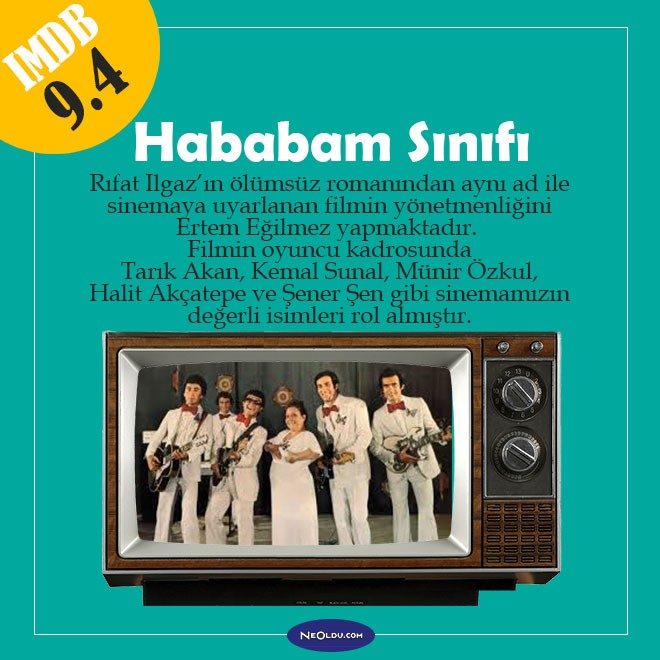
It was originally a novel by Rıfat Ilgaz. And it became movie history. Directed by the legendary Ertem Eğilmez, “Hababam Sınıfı” became the beginning of Yeşilçam’s most enduring film series. The premise is simple, but electric. A group of mischievous students destroys the school. Who are their opponents? Mahmut Hoca played by Münir Özkul with trademark.
This is more than just a movie. This is a cultural reset.
The actors seem like a who’s who of Turkish cinema. Tarık Akan brings his charisma. Kemal Sunal is the definition of a lovable rogue. Halit Akçatepe adds sharp wit. What about Adile Naşit? She was the heart of heart, humor and authority. Together they created a highly influential comedy that remains an integral part of Turkish film history.
It’s not just fun. It is a mirror that reflects society, but it is with slapstick.
genre? Straight comedy. But calling it a comedy is meaningless. This is a portrait of rebellion, authority and the chaotic beauty of growing up. Ertem Eğilmez doesn’t just direct the scenes. He planned his timing carefully. Every expression, every blow, every scream is in place.
Why does it still resonate today? Because it is rooted in real school dynamics. Tension between teachers and students. The unspoken bond between classmates. The fear of detention. The hope of summer break. These are universal experiences presented in the specific context of Turkey.
The film’s achievements go beyond its box office. It can be seen in phrases that appear in everyday conversation. A gesture that people still imitate. The characters feel like neighbors.
You can watch it starting today. The joke still works. The timing still holds. The performance is truly amazing.
This is not nostalgia. This is quality.
In this age of ephemeral digital content, that kind of endurance is rare.


